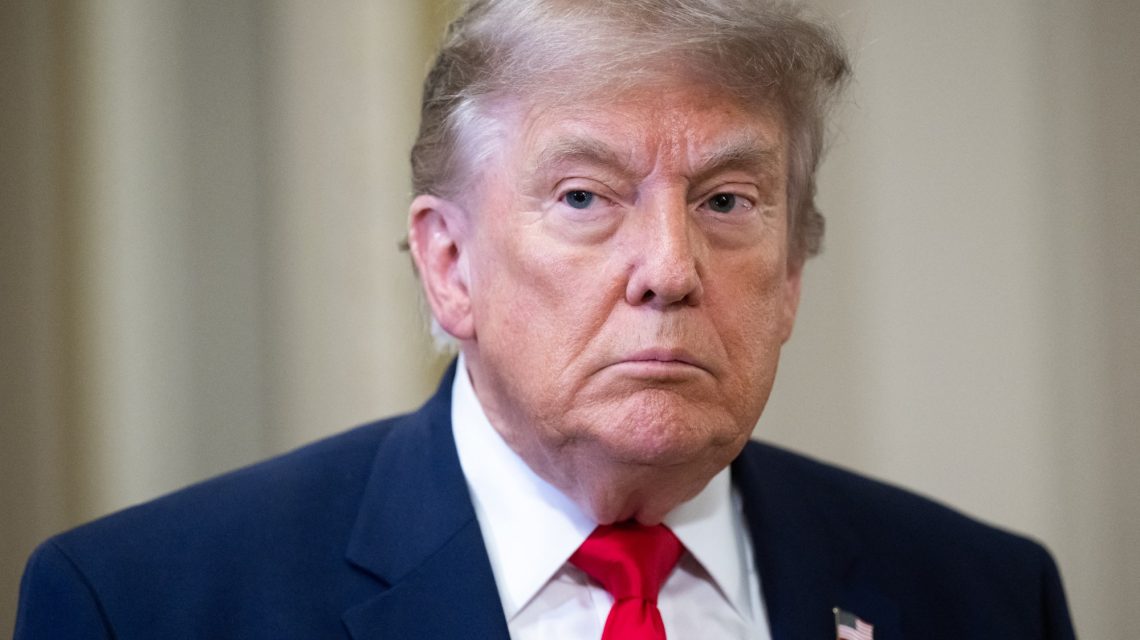
On June 24, 2026, President Donald Trump addressed the press during his journey to a lunch meeting with Senate Republicans at the US Capitol. Despite earlier support for the 21st Century ROAD to Housing Act, Trump declared he would not sign the bill unless Congress also approved the SAVE America Act, a controversial proposal aiming to change election laws.
The housing bill had received broad bipartisan backing, but Trump’s withdrawal of support caused confusion among congressional Republicans. The President suggested he might use a pocket veto, blocking the bill indirectly as Congress approached a summer recess. However, the Constitution and established practice clarify the limitations of this option.
The President has 10 days (excluding Sundays) to sign, veto, or allow a bill to become law without his signature, unless Congress adjourns, preventing the bill’s return.
Experts questioned whether a pocket veto could occur during Congress’s planned recess starting July 3, speculating on Congress’s absence to receive the vetoed bill. Yet the Constitution and historical context resolve this issue. Article I, Section 7, requires that Congress be adjourned and that the bill’s return is genuinely impossible before a pocket veto is valid.
The return veto is the preferred method, aligning with the checks and balances established by the Framers. The Constitutional Convention rejected an absolute veto to ensure Congress could override presidential vetoes, ensuring balance between legislative and executive branches.
The pocket veto was designed to prevent Congress from bypassing a veto by adjourning too quickly after passing a bill. Without this mechanism, objectionable legislation could become law after 10 days, regardless of presidential approval.
Congress uses designated agents to receive veto messages during recesses, which has been standard practice for decades. The Supreme Court affirmed this in 1938: “The Constitution does not define what shall constitute a return of a bill or deny the use of appropriate agencies in effecting the return.” Additionally, pro forma Senate sessions will occur during the break, avoiding true adjournment.
Consequently, President Trump’s only constitutional option to block the housing bill would be a return veto. Given its strong support in Congress, overcoming such a veto is possible, though Trump’s influence over his party could affect this process.
While nuances of veto power might not concern the President, they are important to both the Founders and the public. Understanding these constitutional mechanisms safeguards the balance of powers.
Robert J. Spitzer is a distinguished service professor emeritus of political science at SUNY Cortland and an adjunct professor at the College of William and Mary School of Law. He authored books on presidential vetoes and the relationship between the president and Congress. © 2026 Nexstar Media Inc. All rights reserved.
 Universities Should Reject Political Influence on Research Funding
  Trump’s Approach to China: Trade Dynamics and Challenges
  Media Outlets Sue After White House Ban
  American Public Opinion on Press Freedom
  Media Lawsuit Against Trump Administration for White House Ban
  The Cost of Challenging Beijing