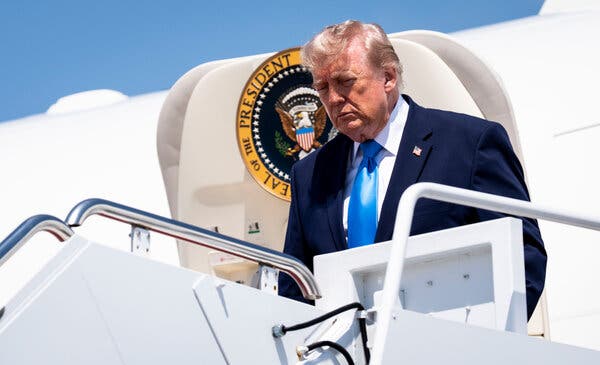
President Trump aimed to compel Tehran to accept American demands for a peace agreement using a combination of threats and limited military actions.
Since April, Trump’s administration has been working on a diplomatic solution rather than pursuing war with Iran. Although a cease-fire was announced, reaching an agreement has remained complex.
This week, the evolving deal suggests that Trump’s pressure tactics have not significantly altered Iran’s nuclear program stance.
Strait of Hormuz at the Center
A key focus of the agreement is reopening the Strait of Hormuz, a major route for oil and gas transit that has been blocked by Iran since the Iran conflict began in late February. The blockade has persisted despite Trump’s earlier cease-fire on the condition of its reopening.
U.S. officials anticipated that free shipping passage would help reduce soaring gas prices and diminish domestic dissatisfaction with the war. However, Iranian forces have maintained control over the strait, preventing significant headway.
Military Actions and Project Freedom
On April 13, the U.S. initiated a naval blockade to enforce restrictions on Iranian ports. This blockade is still active, with over 100 ships being redirected, according to the military.
In May, Trump launched ‘Project Freedom’ to protect vessels trapped by Iran’s blockade, allowing them to exit the strait. Only two ships managed to escape before the initiative was halted.
Trump sought help from European allies to manage the strait, but these calls went unsupported.
Public Opinion and Challenges
The conflict with Iran has been unpopular in the U.S., even among Republicans, as it has driven up oil prices and pressured U.S. allies in the Arab region.
Public opinion and economic pressures have influenced Trump’s approach, even as he maintained a tough rhetoric through his online statements. Recently, he paused an unknown military offensive due to requests from Gulf leaders amid ongoing talks.
Iran’s Stance and Global Impact
Iranian leadership appears to have gained confidence from the conflict, believing their resilience against attempts to destabilize the Islamic Republic. Experts suggest Iran sees itself as having time on its side, partly due to its capacity to influence global energy prices.
The situation remains complex, with discussions ongoing but yet to resolve the outstanding challenges definitively.
Reported by Aaron Boxerman, a Times journalist covering Israel and Gaza.
 Court Rules Against Third-Country Deportation Policy
  Trump Administration Bars News Networks from White House
  Lawsuit Filed Over Preeclampsia Death in Texas Amid Abortion Ban Controversy
  Cook County’s Loan Program Assists Suburban Agencies Amid Property Tax Delays
  Freddy Cazares: Navigating the Limbo of Immigration Detainment and Uncertain Release
  Controversy Over Immigration Policy Protest in South Carolina