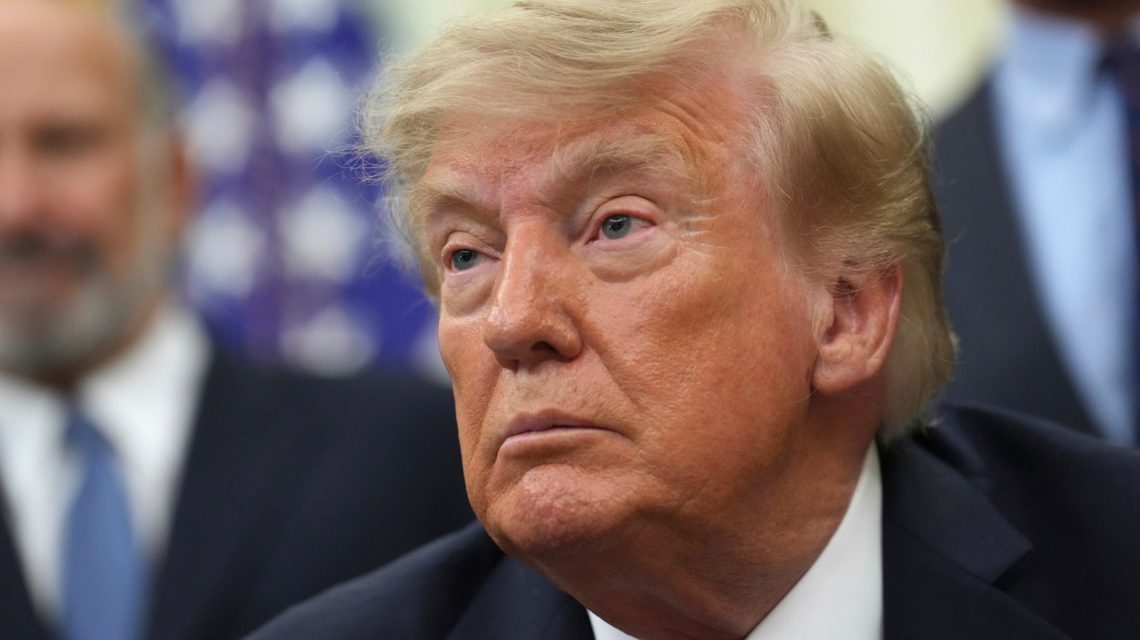
President Donald Trump reaffirmed his support for data centers, cautioning that communities rejecting these initiatives face the risk of becoming “backwards and poor.” His remarks surface amidst rising opposition, even from fellow Republicans, who advocate for restrictions to slow their expansion and enhance community approval processes.
Trump’s Advocacy for Data Centers
Trump is a vocal proponent of data centers, insisting they bring critical jobs, investment, and tax revenue. He views these facilities as essential components in the U.S.’s competition with China. Despite this, Representative Tim Burchett, a Republican from Tennessee, expressed disagreement, stating, “I guess I’m backwards and poor.”
Growing Republican Opposition
Despite Trump’s position, more Republicans are publicly opposing unchecked data center development due to concerns over their impacts. Rising electricity costs, water consumption, tax incentives, and the influence on local communities are leading some officials to call for tighter regulations.
This opposition encompasses various GOP representatives, including governors, senators, and House members. Previously welcoming data center development, some are now advocating for restrictions, moratoriums, or increased local control. This internal conflict highlights a potential divide within the Republican Party, with implications for the 2026 midterm elections.
Public Skepticism Towards Data Centers
Though Trump champions rapid AI expansion, a significant segment of the public, including his supporters, express doubts. A survey from Economist/YouGov found 47% of Trump voters in 2024 opposed new data center construction near them. An additional 52% believed such developments would raise local power bills.
Public resistance extends beyond Trump bases. Various polls indicate widespread opposition to local data centers, citing concerns such as noise and pressure on infrastructure. Industry leaders like Meta, Microsoft, Amazon, and Google continue forging ahead with large facilities supporting AI development.
Republican Officials Voice Concerns
“We need more local control. We should have brought everybody to the table.” – Tim Burchett
Republican officials are voicing skepticism over data centers, stressing the need for community engagement and local oversight. Representative Tim Burchett proposes situating some data centers on military installations to avoid residential disruptions. Likewise, Mike Rogers, a Michigan Senate nominee, seeks a one-year statewide moratorium, urging transparent policymaking prioritizing community interests.
Representative Tom Barrett challenges party leadership by pursuing legislation empowering local control over data center projects. Barrett introduced bills prohibiting federal agencies from overriding local zoning decisions and restricting data center-related nondisclosure agreements.
Other leaders from Texas, Ohio, and Pennsylvania advocate stronger oversight or pauses on development. They argue for balancing economic benefits with potential rises in utility costs and infrastructural strains.
Substantial Water and Energy Use
Data centers heavily consume resources. According to Ceres, a sustainability nonprofit, centers in seven U.S. states use over 3.4 trillion gallons of freshwater annually. Estimates suggest mid-sized facilities consume up to 300,000 gallons of water per day, with larger centers requiring up to 5 million gallons daily.
Community Concerns and Benefits
Residents near data centers report disruptive noise, often from continuous cooling systems. Complaints highlight unpredictable sounds causing disturbances even during nighttime hours. Critics warn excessive water usage, potentially leading to shortages or conflicts in drought-stricken areas.
Advocates argue data centers contribute positively, fostering job creation, substantial investments, and essential services supporting AI advancements. They contend these facilities fortify U.S. technological competitiveness against global rivals like China.
 Data Centers in Virginia face Growing Opposition
  The War on Poverty: A Lesson on Intentions and Outcomes
  Reporters Blocked from White House by Trump Administration
  Texas Leads Air Taxi Innovation with Project Nexus
  Universities Should Reject Political Influence on Research Funding
  Trump’s Approach to China: Trade Dynamics and Challenges