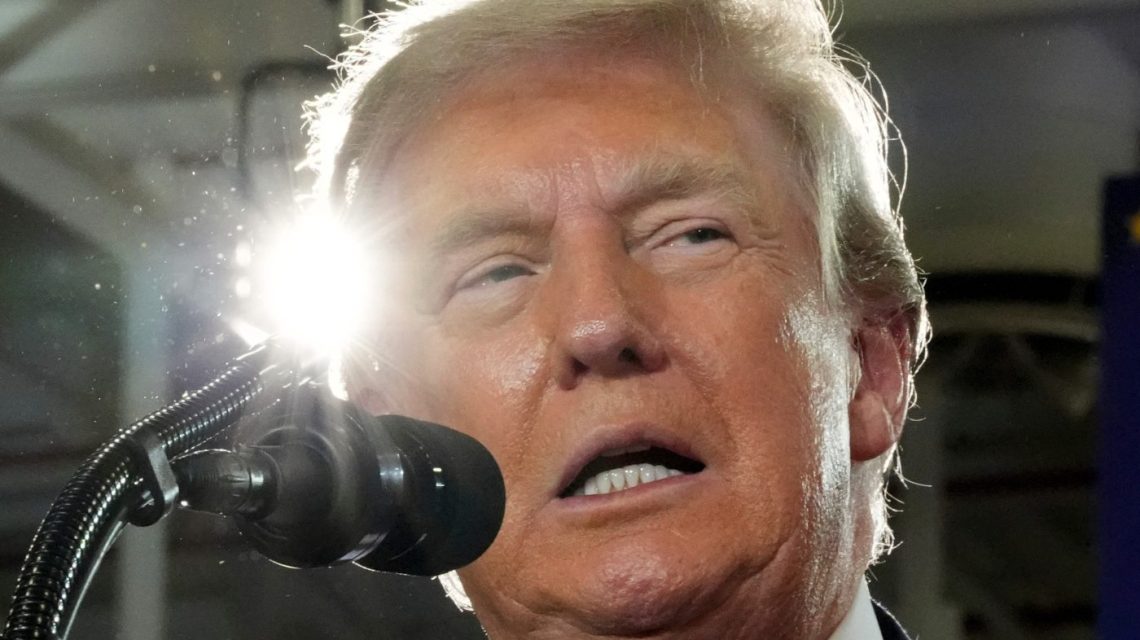
During a recent campaign rally at General Motors’ proving ground in Milford, Michigan, President Donald Trump sparked discussion with his claims about Detroit’s auto industry. He celebrated what he called a ‘thriving’ sector, attributing its success to Republican efforts. However, this narrative conflicts with the current reality facing the industry.
The tariffs implemented under Trump’s administration have led to significant job losses. Since 2025, more than 60,000 jobs were cut among auto industry suppliers, and over 3,300 layoffs occurred at General Motors last year. Ford executives earlier appealed to the government for relief, as tariffs severely impacted the sales of the F-150, a popular truck model for decades.
Stellantis, another key player in the auto industry, reported a $26.3 billion loss following Trump’s reduction of tax credits for electric vehicles. These challenges prompt skepticism about Trump’s depiction of a ‘thriving’ industry.
While addressing employees at GM’s Milford Proving Ground, Trump claimed he had done more for them than previous generations. Despite this assertion, data shows a 3.5 percent decline in auto parts manufacturing jobs within the year. His remarks seem disconnected from the experiences of the workers impacted by tariff policies.
Moreover, Trump’s insistence on the benefits of tariffs is contrary to the Supreme Court’s ruling on their legality and their negative impact on the auto sector. Despite the challenges, Trump continues to promote his policies, which aligns poorly with public sentiment.
Democratic opponents view Trump’s tariff policy as a key issue for upcoming midterm campaigns. A Navigator Research survey in August 2024 showed only 35 percent of voters disapproved of Trump’s tariffs at that time. However, disapproval grew consistently, reaching nearly 60 percent recently. Critics of the tariffs increasingly express strong disapproval.
For Republicans in swing districts, defending these policies is arduous. GOP strategist Marc Short noted that the political landscape reflects the trade policy’s adverse effects, creating tension within the party. Recent data indicate that 52 percent of non-MAGA Republican and independent voters disapprove of the tariffs, responding well to Democratic arguments about rising consumer costs.
The argument extends beyond temporary political tensions, revealing a deeper miscalculation in addressing critical industry concerns. Democrats aim to emphasize the impact of tariffs on everyday Americans, using Trump’s policy as a focal point in their messaging. The November elections present an opportunity for voters to express their discontent with the current policies.
 A Mother’s Tragic Journey Under Abortion Ban
  U.S. Strategic Goals Remain Unmet Amid Prolonged Conflict
  The Impact of Arts and Closure on Democracy
 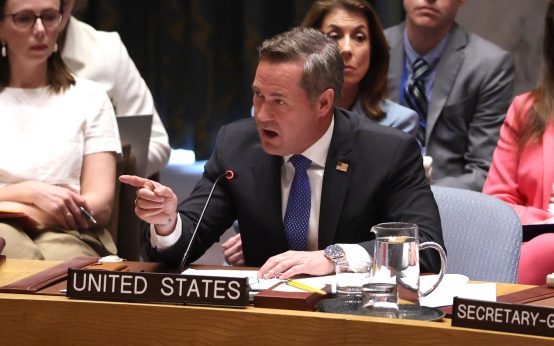 U.S. Ambassador Comments on Iran War Duration Amid Political Concerns
 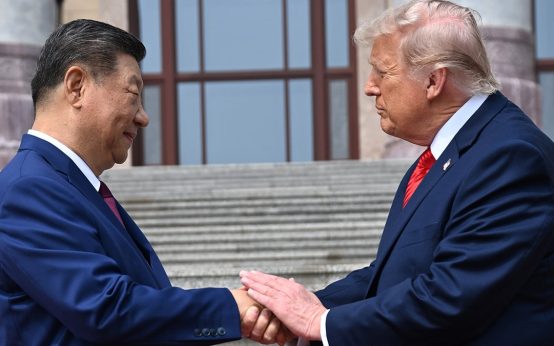 US-China Relations Under Scrutiny: Expert Warns of Escalating Tensions
  No Timeline for End of Iran Conflict