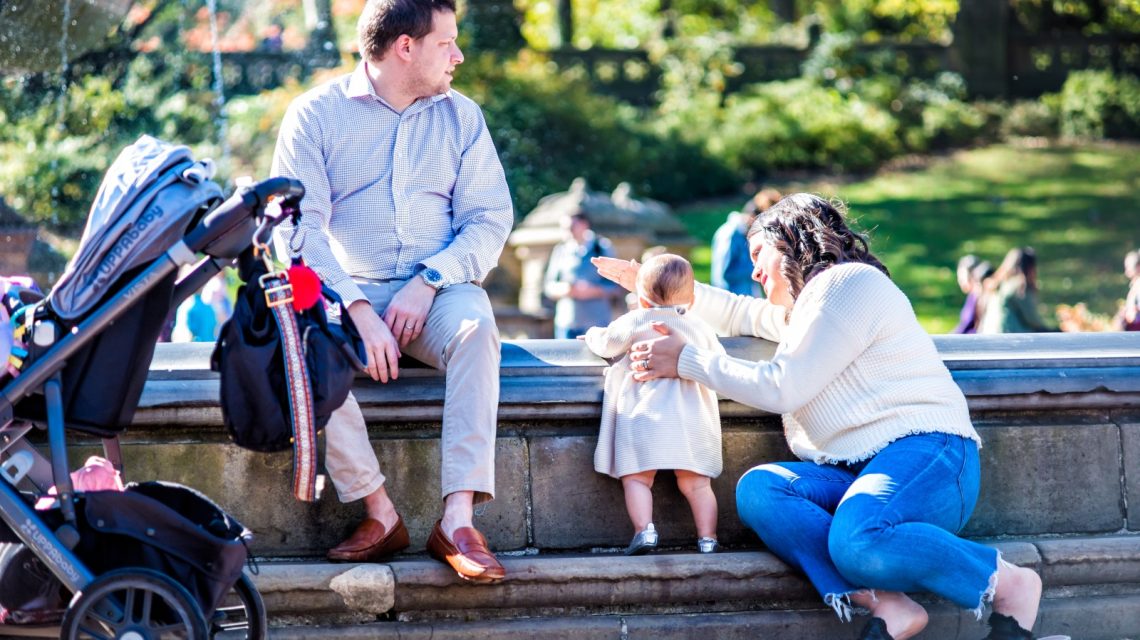
The Trump administration has suggested a plan to pay parents to stay at home with their children. This initiative may not prompt a significant change in the employment status of American parents. Child care is a major expense for families with two working parents, causing considerable stress. However, many parents continue working due to the value of their income, employer-provided health insurance, and job-related benefits.
Proposal Overview
The proposal offers $9,000 annually to eligible parents. To qualify, parents must be married, and there may be income limits. Rebekka Grun von Jolk, a lead economist at World Bank, noted similarities to Germany’s past policy, suggesting that many beneficiaries were already stay-at-home parents.
Financial Impact
For most American families, $9,000 is insufficient to compensate for leaving the workforce. Employed mothers with full-time jobs earn a median salary of $65,000, leading to a reduced take-home pay of $52,000 after taxes. The average annual child care cost of $13,000 leaves them with $39,000. As such, the proposed benefit is unlikely to encourage many to quit their jobs.
However, larger families could find the plan more appealing. Brendan Cushing-Daniels, an associate professor of economics at Gettysburg College, mentioned that families with multiple children might experience an increase in disposable income when factoring in tax savings and the $27,000 received from the plan.
International Comparisons
The U.S. would not be the first country to adopt such a policy. Finland provides stipends to parents not utilizing public day care for children under three. Hungary offers up to 70 percent of a parent’s salary for staying at home until children reach two years.
Eligibility Criteria
The Trump administration’s proposal includes specific requirements:
- Be a married couple.
- Have one spouse working at least 35 hours per week.
- The other spouse must remain at home to care for the child.
- Meet state income eligibility requirements.
Critics’ Perspectives
Republicans have expressed mixed opinions on the proposal. Some, like conservative commentator Michael Knowles, praised it, while others such as Michael Flynn criticized the amount as insufficient. Flynn suggested tax exemptions for homeschooling parents.
Angela Morabito, former Education Department press secretary, equated the plan to socialism, questioning the fairness of taxing working mothers.
Critics argue that the proposal would draw money from the Child Care and Development Fund, potentially reducing resources for low-income families.
Considerations for Families
Choosing to have a parent stay at home often extends beyond child care expenses. Leaving the workforce may lead to a loss of 401(k) benefits and the challenge of returning to employment later.
Health insurance also plays a role. In some households, the lower-earning parent’s job offers superior or more affordable health insurance, complicating the decision on who should leave the workforce.
Given Republican opposition, the future of this proposal remains uncertain. Even if implemented, it is unlikely to result in a substantial increase in stay-at-home parents.
Contact the Newsweek editor on this story: Shakeema Edwards.
 JD Vance Trailing in Early 2028 Presidential Polls
  The Push for Permanent Daylight Saving Time
  Trump and Mamdani Maintain Unusual Relationship Despite Differences
  House Breaks Early Amid Concerns Over Unregulated AI
  Controversy Over Trump’s Media Ban
  Illinois Governor Discusses Focus Amid Controversy Surrounding Influencer