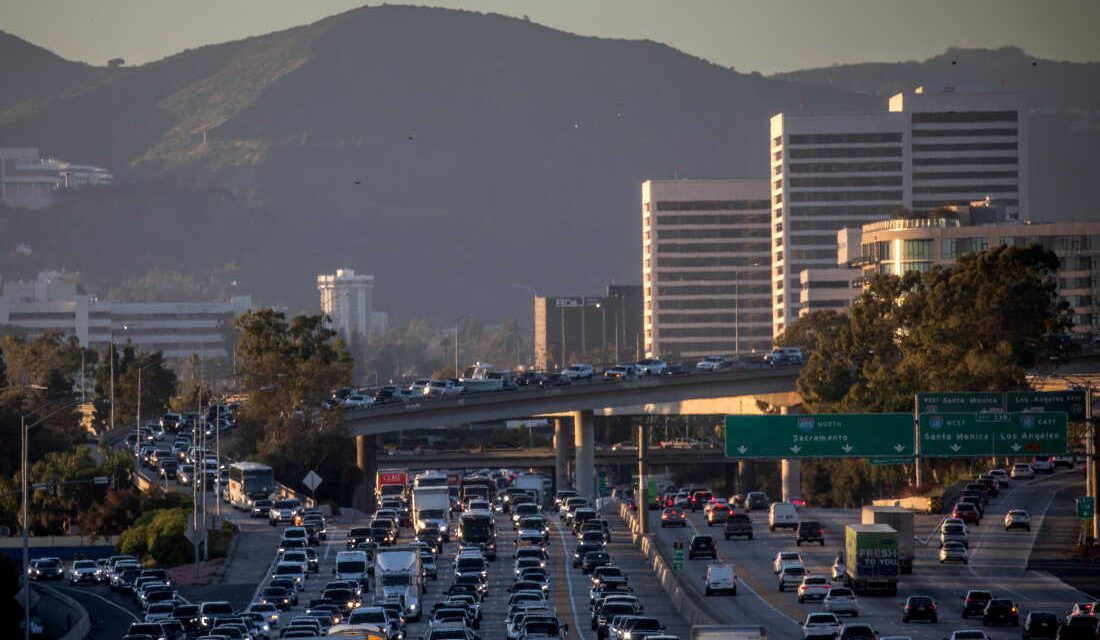
Traffic was seen on the 405 Freeway on February 13 in Los Angeles. Apu Gomes/Getty Images provided the visual. In a recent development, the Trump administration announced a rollback of fuel efficiency standards for American carmakers on Monday. These Corporate Average Fuel Economy (CAFE) standards determine the average fuel efficiency carmakers must achieve. With the revised rules finalized on Monday, carmakers are now required to improve fuel efficiency by 1% annually, targeting an average of 34.9 miles per gallon by model year 2031. This marks a significant shift from the previous Biden-era standards, which mandated an annual increase of 2%, aiming for an average of 50.4 miles per gallon by 2031.
Fuel Efficiency and Vehicle Costs
According to administration officials, the adjustment in standards focuses on affordability, suggesting that fuel efficiency technology increases vehicle prices. The revised standards are expected to reduce new car prices by about $1,300. This was echoed by U.S. Transportation Secretary Sean Duffy, who affirmed that the administration’s actions aim to provide relief to families and invigorate American manufacturing. President Trump also voiced approval on Truth Social, stating that the new standards would streamline car production in America, leading to lower prices for consumers.
“These new Standards will take the waste out of building cars in America. That means LOWER PRICES, saving families thousands on a new, beautiful, and safe car.”
However, climate advocates and industry observers have expressed concerns over these changes. They view them as part of the Trump administration’s broader efforts to reverse Biden-era climate policies. This includes cuts in federal tax credits for electric vehicles, delays in funding for nationwide EV charging programs, and nullifying federal waivers allowing California to set strict pollution regulations. Dan Becker from the Safe Climate Transport Campaign criticized the rollback, indicating increased gasoline use, and more pollution, leading to higher consumer costs both at the gas pump and in health expenses.
Fuel Prices and Market Implications
Current gasoline prices are pressing consumers, with AAA reporting a national average of $4.50 per gallon and diesel prices nearing $6.50 per gallon. The easing of CAFE standards could disrupt the industry’s shift towards more fuel-efficient and electric vehicles. Economist Sue Helper from Case Western Reserve University warned that these changes might slow progress, potentially making U.S. auto companies less competitive globally.
American carmakers intend to remain active in foreign markets that enforce stricter emissions standards, suggesting that future administrations might revise these rules again. CAFE standards date back to the 1970s, initially introduced to reduce dependency on Middle Eastern oil during a major supply shock. The conversation has shifted towards climate concerns, with continuous enhancements in fuel efficiency since the early 2010s.
Market Trends and Vehicle Affordability
Analysts argue that rising car prices are not solely due to fuel efficiency standards but also due to larger vehicle designs, tariffs, supply chain issues, and added features like infotainment systems. A Consumer Reports analysis from 2023 noted that vehicles became 30% more fuel efficient between 2003 and 2021 but attributed price increases to a shift towards SUVs.
Ellen Hughes-Cromwick, a former Ford economist, pointed out that high interest rates contribute to elevated monthly car payments, making affordability a complex issue beyond the control of carmakers.
Potential Impact on Fuel Efficiency
Lower fuel efficiency could mean more frequent refueling during periods of high gas prices. There is a concern about carmakers continuing to produce fuel-efficient vehicles under relaxed standards. Sue Helper mentioned that the short-term profit from selling larger vehicles is beneficial, although such models are less popular internationally.
John Bozzella of the Alliance for Automotive Innovation supported NHTSA’s decision to align fuel economy standards with current market conditions. However, Hughes-Cromwick cautioned that this shift might hinder American carmakers in the global transition to electric vehicles, noting strong competition from the Chinese EV industry.
Legal challenges could arise against the administration’s latest move, suggesting that carmakers may need to maintain their current course to mitigate uncertainty.
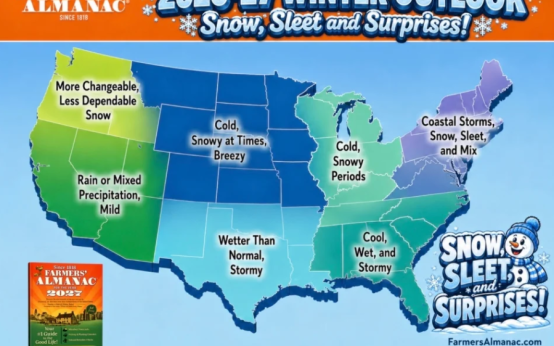 Winter 2026-2027 Weather Forecasts: A Closer Look
  Analyzing Oregon’s Wildfire Crisis and Its Implications
  Controversy Over Proposed MLB Stadium in Grand Teton National Park
  Illegal Hunting Incident in Angeles National Forest
  Tibet-Nepal Flood Crisis and its Wider Implications
  Oregon Faces Historic Wildfire Crisis