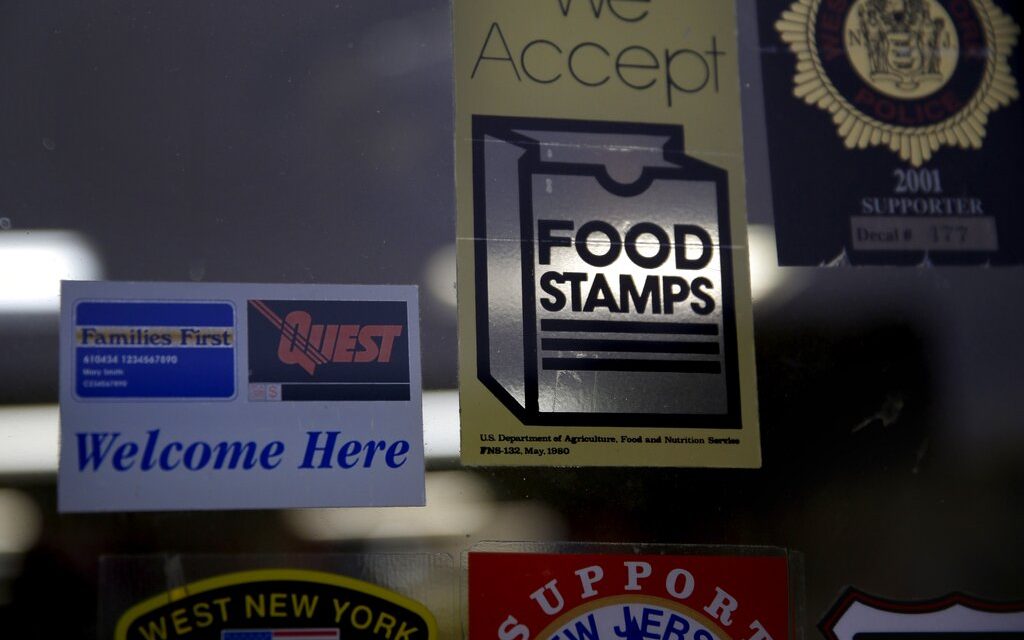
The Trump administration faces potential controversy as it plans to tackle a significant issue within the welfare system—a loophole enabling non-qualifying individuals to receive food stamps. The Department of Agriculture is preparing a rule change aimed at curbing this problem.
Since the Clinton era, a regulatory gap has allowed middle- and upper-class individuals access to food stamps despite surpassing the income requirements of the program. This move intends to address this discrepancy by tightening eligibility through the closure of broad-based categorical eligibility. This policy permits individuals to acquire food stamps by qualifying for a related benefit, sometimes as trivial as a government brochure.
The impact extends beyond food stamps, linking them indirectly to the National School Lunch Program. Children automatically qualify for free or reduced-price meals if their families receive welfare benefits like food stamps, regardless of income level. Consequently, wealthier families have exploited this backdoor, allowing their children access to subsidized school lunches.
The reform seeks to restrict food stamp access to only those eligible under the program’s guidelines, consequently affecting the National School Lunch Program by removing some ineligible families.
Opponents argue that up to a million children might lose access to subsidized meals. However, this claim overlooks continued eligibility through other means and existing state and federal programs ensuring access to free school meals for those in genuine need. Paige Terryberry, Senior Research Fellow at the Foundation for Government Accountability, estimates that the action will primarily affect approximately 2,900 students from wealthier families while ensuring that 99.9 percent of current recipients retain their meal benefits.
The projected savings from eliminating ineligible individuals from the food stamp program exceed $10 billion annually, a significant reduction in spending that will help prioritize support for those truly in need. The cost of the food stamp program has surpassed $100 billion a year, emphasizing the necessity of reform.
The initiative aims to restore the intended purpose of welfare as a temporary aid rather than a universal benefit. While critics argue against any reduction in welfare expenditure, the effort seeks to ensure the safety net supports the vulnerable without subsidizing millionaires or funding meals for children from affluent backgrounds.
 A Mother’s Tragic Journey Under Abortion Ban
  U.S. Strategic Goals Remain Unmet Amid Prolonged Conflict
  The Impact of Arts and Closure on Democracy
  U.S. Ambassador Comments on Iran War Duration Amid Political Concerns
  US-China Relations Under Scrutiny: Expert Warns of Escalating Tensions
  No Timeline for End of Iran Conflict