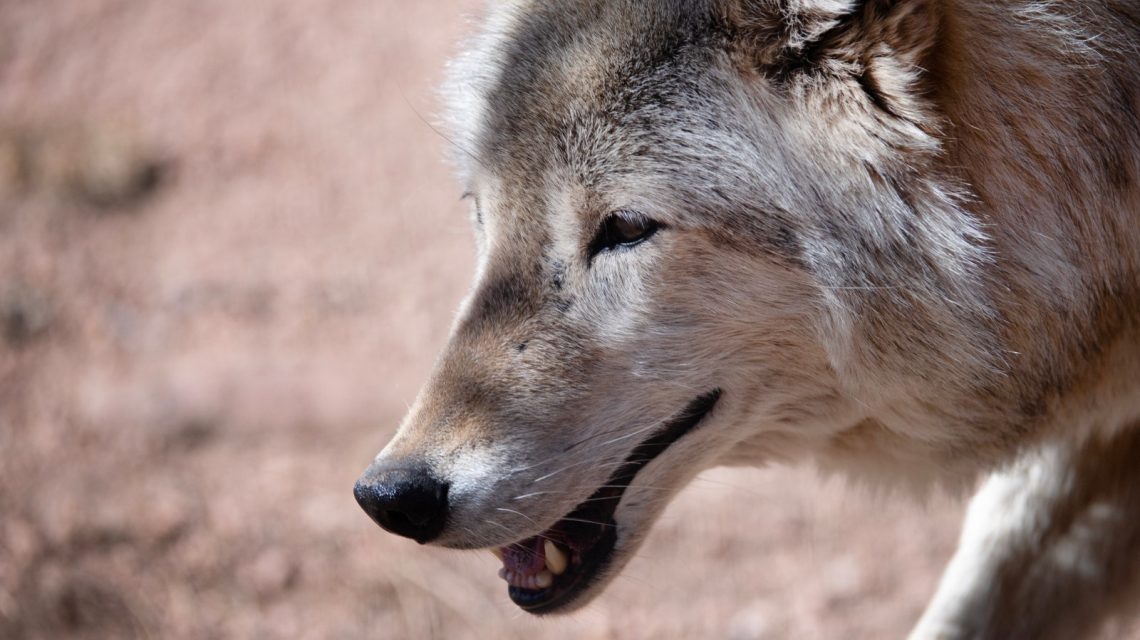
President Donald Trump has ordered a federal review to assess the protected status of gray wolves and Mexican wolves. This initiative may lead to changes in Endangered Species Act (ESA) protections for these species across the United States.
An executive order signed by Trump directs the interior secretary to evaluate if gray or Mexican wolves should have their protection status changed. If justified, rulemaking may begin. The order also calls for legislative suggestions, better coordination with states on local wolf protections, revised compensation rules for livestock losses, and expedited permits for the selective removal of wolves when necessary.
Current Wolf Populations in the U.S.
Grey wolves currently inhabit various states, with Alaska having the largest population.
- Alaska: 7,700-11,200 (2017)
- Minnesota: 2,919 (winter 2022-23)
- Wisconsin: approximately 1,200 (2024-25)
- Idaho: approximately 1,129 (2025)
- Michigan: 762 (2023)
- Montana: 725 (2025)
- Washington: 270 (April 2026)
- Wyoming: 253 (December 31, 2025)
- Oregon: 230 (April 2026)
- New Mexico: 175 Mexican gray wolves (2025)
- Arizona: 142 Mexican gray wolves (2025)
- California: around 55 (May 2026)
- Colorado: 32 (March 2026)
Implications of the Order
The executive order does not immediately change federal protections for wolves. According to the U.S. Fish and Wildlife Service, changing the protection status would involve evaluating if the threat to wolves has diminished, drafting a proposed rule, gathering public and expert feedback, and then finalizing or retracting the proposal.
The administration’s stance is that adjusting wolf management could aid ranchers by reducing livestock predation and alleviating industry frustrations linked to increased low-tariff beef imports.
Interior Secretary Doug Burgum shared that expanding grazing access on public lands and reviewing the protection status of wolves under the ESA aligns with efforts to protect ranchers and strengthen the U.S. food supply.
Industry and Environmental Responses
Cattle producer association R-CALF USA’s President, Dave Hyde, acknowledged the administration’s moves as supportive, though they don’t solve every issue immediately. Agriculture Secretary Brooke Rollins highlighted that the measures could help ranchers and farmers manage predators effectively.
Conversely, Humane World for Animals warned that loosening protections might endanger wolf recovery. Western Watersheds Project deputy director Greta Anderson criticized the move as a distraction, suggesting it unjustly portrays wolves as more threatening than some of Trump’s policies.
 California’s Growing EV Adoption: Challenges and Benefits
  Data Centers in Virginia face Growing Opposition
  The War on Poverty: A Lesson on Intentions and Outcomes
  Reporters Blocked from White House by Trump Administration
  Universities Should Reject Political Influence on Research Funding
  Trump’s Approach to China: Trade Dynamics and Challenges