The Trump administration has initiated steps to redistribute tasks from the Education Department, handing over responsibilities to other agencies. The changes involve delegating the enforcement of civil rights in education to the Department of Justice and giving the Department of Health and Human Services control over special education, according to officials.
Two key divisions, the Office of Special Education and Rehabilitative Services and the Office for Civil Rights, will see these shifts. They are imperative in safeguarding children with disabilities and addressing discrimination allegations based on race, gender, or religion. The move raises concerns among advocates, fearing potential communication breakdowns for those in need of assistance.
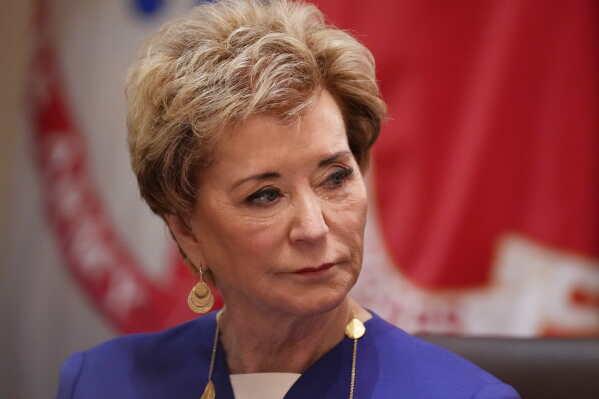
Trump campaigned on eliminating the Education Department, aiming to return control of education to the states. While only Congress has the power to close the department entirely, Education Secretary Linda McMahon has orchestrated agreements with other agencies to manage many departmental operations. She states the strategy aligns roles with agencies better fit for support.
Despite the rationale from McMahon, critics express worries about the potential impact on student services. EdTrust, an educational equity advocate, highlights potential negative effects on underserved students like those with disabilities and low-income backgrounds.
The Education Department had already handed over several programs through earlier deals, but these latest changes impact heavily scrutinized offices. The Office of Special Education manages significant state grants related to the Individuals with Disabilities Education Act. Meanwhile, workforce reductions have already plagued the Office for Civil Rights, which handles discrimination investigations in schools and universities.
The Justice Department plans to extend its responsibilities to cover student privacy protection, alongside training and advisory roles for schools.
While most responsibilities will shift, the Education Department retains a few obligatory tasks like responding to audits and making final decisions in civil rights cases.
Rep. Bobby Scott from Virginia, a key Education and Workforce Committee member, views the move as catering to Trump’s political promises. He suggests this could widen educational disparities for minority and disabled students.
Sen. Patty Murray of Washington criticizes the administration for prioritizing logistical changes over substantive education improvements.
Department employees, represented by union president Rachel Gittleman, foresee confusion and setbacks for vulnerable students and families, predicting a loss of crucial services and protection.
The shift of special education oversight to Health and Human Services especially troubles disability advocates. They argue oversight suits education experts, not medical bodies. Jennifer Coco from the Center for Learner Equity emphasizes that the Individuals with Disabilities Education Act (IDEA) aims to integrate students, not provide medical solutions.
McMahon has reportedly engaged with families, advocates, and educators to gauge concerns about these changes over a six-month period. Despite discussions around service access issues, Coco notes consistent opposition to the removal of special education oversight from the Education Department.
 Trump Seeks Diplomatic Success at the U.N. Amid Challenges
  North Carolina Senate Race Influenced by Abortion Policy Messaging
  Concerns Over AI’s Impact on Higher Education Learning
  Trump Pressures Republicans on Filibuster Threat
  Rep. Golden Endorses Rep. Lawler for Re-election
  Public Perception and Political Impact of Data Centers