The Trump administration continues its efforts to revoke U.S. citizenship at unprecedented levels. Recently, 10 more cases against individuals accused of crimes or immigration fraud were announced. Under President Donald Trump, there is a notable increase in the attempts to denaturalize individuals, particularly those suspected of fraudulently acquiring citizenship. Although the requirements for revoking citizenship are stricter compared to visas, a focused effort aims to increase the number of cases significantly.
The Department of Homeland Security (DHS) and Department of Justice (DOJ) released a list on Monday detailing several individuals accused or convicted of various crimes before applying for U.S. citizenship. The Justice Department has emphasized its stance, enforcing that those who commit fraud during the naturalization process will face legal action.
Assistant Attorney General Brett A. Shumate of the DOJ’s Civil Division stated, “We refuse to give a free pass to criminals who cheated their way into American citizenship.” He assured that the Justice Department will pursue such cases vigorously.
List of U.S. Citizens Facing Denaturalization
The DOJ and DHS highlighted cases involving individuals from different countries, including Mexico, Cuba, Pakistan, Peru, and Poland. The accusations involve serious offenses, such as child sexual abuse and the use of false documents during the citizenship application process. For instance, Urbano Vazquez Ortega, a Mexican former priest, was convicted of child sexual abuse and sentenced to 15 years. Another Mexican national, Fransisco Montano, faced similar charges regarding events predating his citizenship in 1997. Other individuals, such as Jimmy Aguero from Peru, Martin Garcia Cardiel from Mexico, and several others faced similar severe allegations.
Some cases focus on fraud or identity issues. Yoskmaikel Rodriguez Perez of Cuba is accused of hiding a Medicare fraud scheme before gaining citizenship. Multiple aliases and misrepresentation in obtaining immigration benefits feature in Murtaza Ali’s case from Pakistan. Allegations of using another person’s identity documents to secure citizenship are seen in the case of Antonio Alcantara-Ruiz from Mexico.
Other accusations involve drug trafficking and financial crimes. Omar Cantu-Montalvo from Mexico and Marcin Stanislaw Garbacz from Poland face serious charges ranging from cocaine trafficking to tax-related offenses and illegal conduct overseas, all kept hidden during their citizenship application process.
Understanding Denaturalization
The U.S. government argues that the involved individuals either illegally procured naturalization or obtained citizenship through the intentional hiding of important facts. The government must demonstrate this through civil denaturalization complaints in federal court, often emphasizing the requirement of proving “good moral character.” Revoking citizenship could lead to individuals losing their citizen status, exposing them to potential deportation and other immigration consequences.
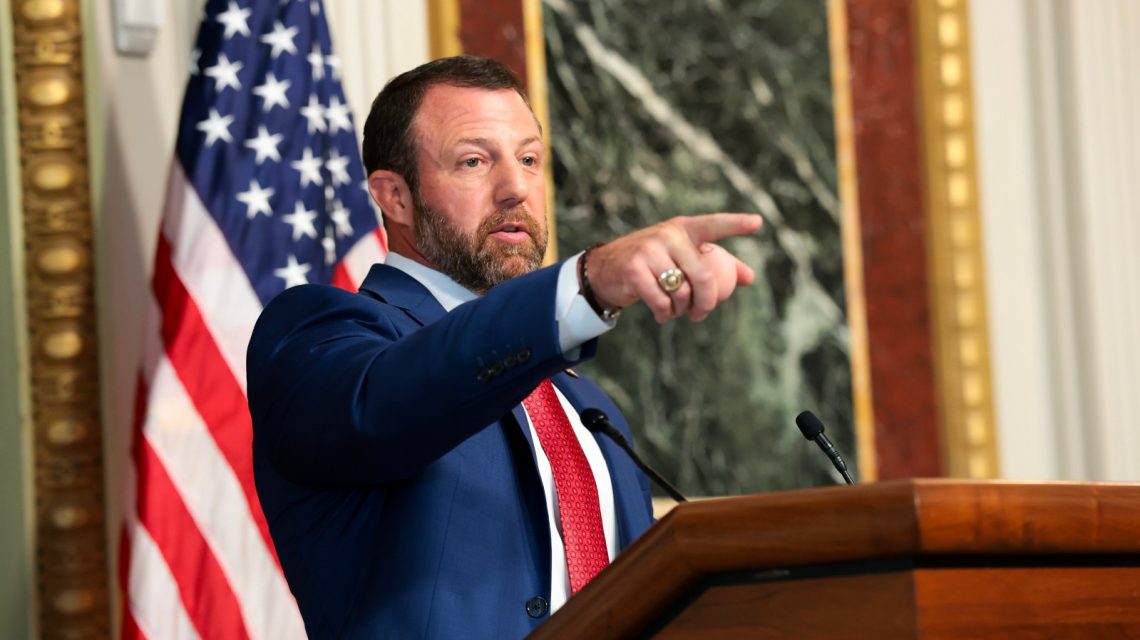
DHS Secretary Markwayne Mullin emphasized the agency’s stance, stating, “When you commit fraud during the naturalization process, you forfeit the right to keep your U.S. citizenship.”
While current political rhetoric suggests otherwise, denaturalization cases remain rare. Historical data from the Brennan Center for Justice indicates an average of about 11 cases initiated yearly between 1990 to 2017. This number climbed to about 25 cases annually during Trump’s presidency, a small fraction of the over 24 million naturalized U.S. citizens.
 Court Blocks Trump’s Mail-Ballot Rules Ahead of Elections
  A Mother’s Tragic Journey Under Abortion Ban
  U.S. Strategic Goals Remain Unmet Amid Prolonged Conflict
  The Impact of Arts and Closure on Democracy
  U.S. Ambassador Comments on Iran War Duration Amid Political Concerns
  US-China Relations Under Scrutiny: Expert Warns of Escalating Tensions