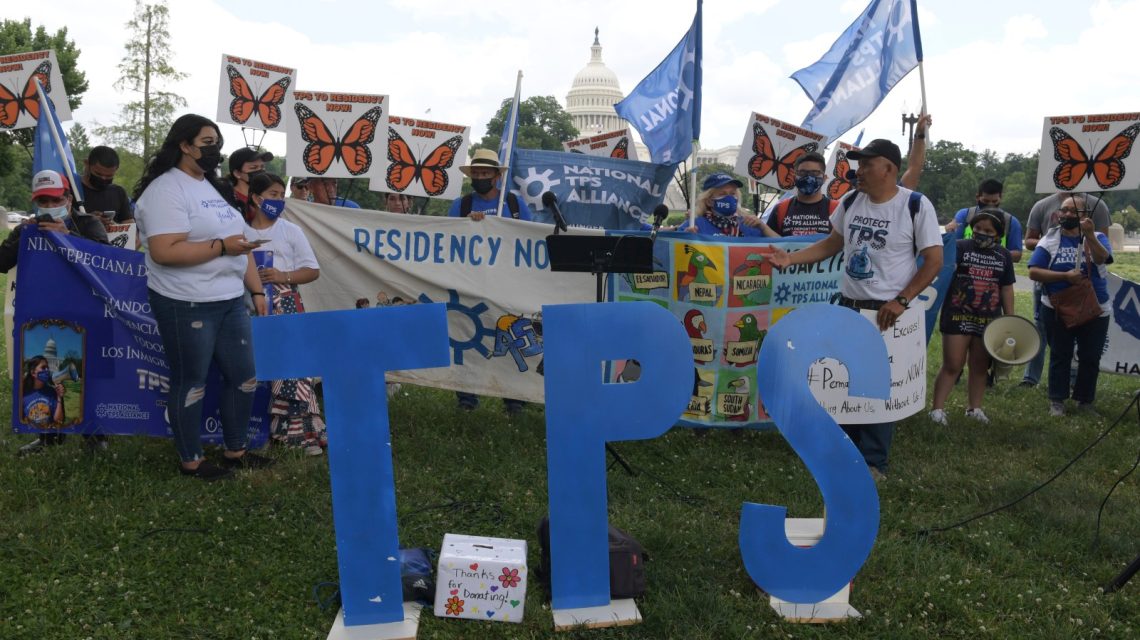
The Trump administration’s decision to end Temporary Protected Status (TPS) for approximately 350,000 Haitians and 6,000 Syrians has attracted criticism from within the Republican Party. The Supreme Court ruling on Mullin v. Doe supports the administration’s move, concluding that courts cannot review decisions to terminate TPS designations by the Department of Homeland Security (DHS). This decision, written by Justice Samuel Alito, saw a 6-3 ideological split, with dissenting opinions from progressive justices expressing concern for TPS holders facing potential deportation.
Following the ruling, DHS Secretary Markwayne Mullin outlined the next steps, which included options for TPS holders to either apply for visas or receive financial assistance to return to their home countries. Mullin emphasized that TPS is not permanent and described the financial offer as a means to assist those returning home. His comments, however, faced backlash from immigration hardliners within his own party.
Critics argue that Mullin should have focused on the potential legal uncertainty TPS holders face instead of offering pathways to residency. The label “backdoor amnesty” was used to criticize the possibility of TPS leading to permanent residency without a formal legislative process. This rhetoric had been previously employed by Republican lawmakers to critique the Biden administration’s handling of TPS and its expansion.
Rep. Brandon Gill and Rep. Andrew Clyde have both voiced concern regarding TPS becoming a “backdoor amnesty” vehicle for immigrants. These concerns center around the idea that TPS, originally meant to be temporary, has served as a route to permanent residency for some, which critics believe undermines the principle of temporary protection.
Some immigration policy experts, like Mark Krikorian from the Center for Immigration Studies, have noted that Mullin’s comments did not introduce significant changes. TPS holders have historically had the opportunity to apply for legal residency if eligible, despite these pathways being complex and rarely guaranteed.
The offer of a stipend and a plane ticket by DHS is said to reduce deportation costs, yet the primary issue raised by critics is whether these incentives contradict the administration’s original message that TPS should not lead to permanent status.
Geoff Pipoly, a legal expert from BCLP, has argued that TPS holders face steep challenges in securing a permanent legal status. He points out that existing immigration laws present considerable barriers for reentry, making the likelihood of returning to the U.S. after departing slim.
The Trump administration’s approach to TPS remains contentious, with ongoing debates about the implications of its termination and the logistics surrounding returning TPS holders. Work authorizations for relevant TPS holders are set to expire soon, adding urgency to the resolution of this policy issue.
 Republicans Call for Quick Resolution to Iran Conflict
  United States Secures Arctic Defense Pact
  Senator Warren Seeks to Restrict Private Equity in Restaurant Chains
 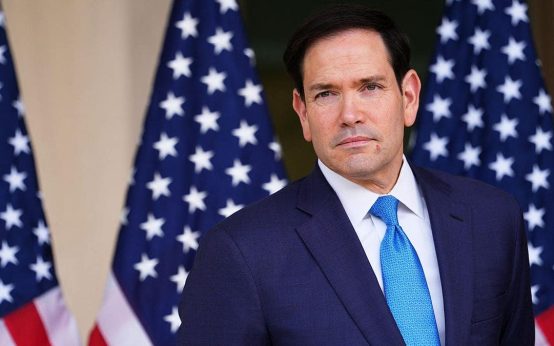 Marco Rubio’s Expanding Role in Trump Administration
 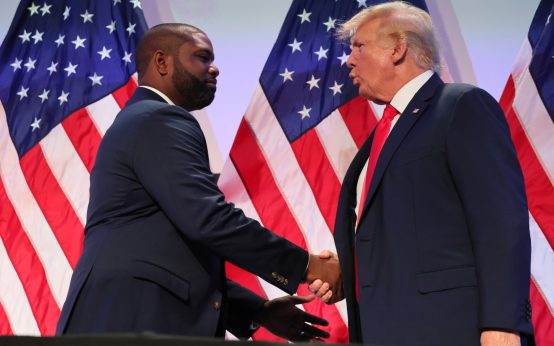 Byron Donalds Adjusts Campaign Strategy as Florida Governor Race Intensifies
  Trump’s Engagements at the UN: Focus on Ukraine and White House Developments