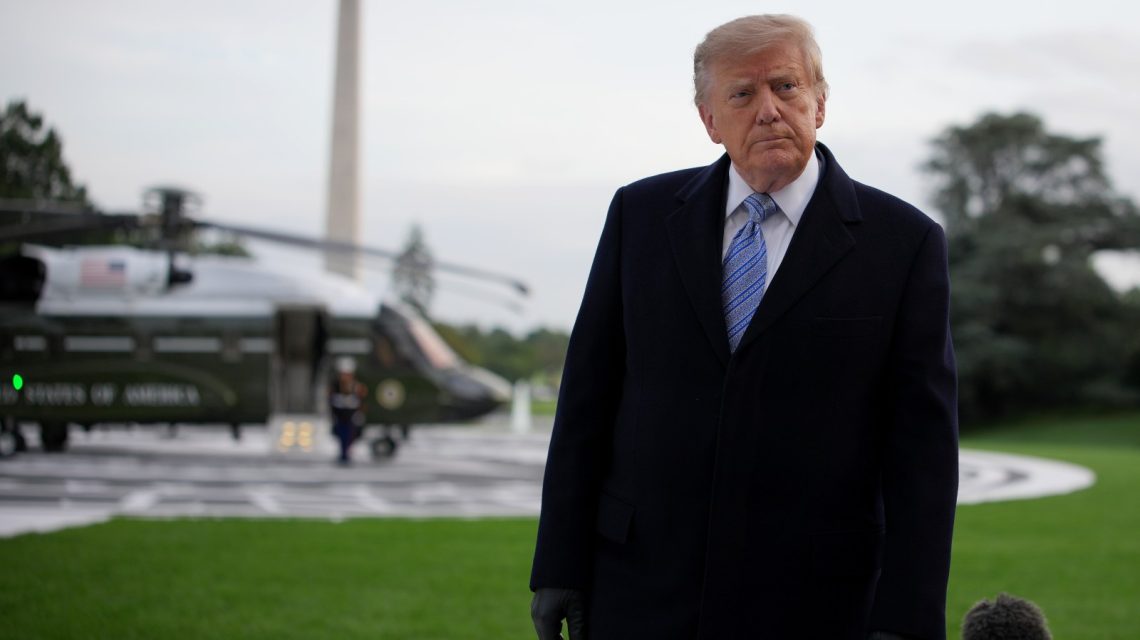
President Donald Trump’s administration announced on Friday the utilization of a “pocket rescission” to remove nearly $1 billion in what is described as “the most harmful government spending.” The administration stated that it would cut $567 million from Health and Human Services (HHS) funds designated for noncitizens. Additionally, $15 million from Department of Homeland Security programs aimed at providing welfare to “illegal aliens” and $25 million from educational programs for noncitizens are also affected, along with other rescissions impacting various programs and agencies.
Senator Collins’ Reaction
Republican Senator Susan Collins of Maine strongly criticized the Office of Management and Budget (OMB). She expressed frustration, stating, “Without warning or consultation, Congress just received an $810 million package of pocket rescissions from the Administration.” Collins accused OMB of undermining Congress’s Constitutional power of the purse, alleging that the funds were intentionally withheld to execute an unlawful cancellation. She emphasized that the independent Government Accountability Office has concluded that pocket rescissions are illegal under the Impoundment Control Act, advocating for congressional action against these “illegal actions.”
Pocket Rescission Explained
What is a Pocket Rescission? According to the U.S. Government Accountability Office (GAO), a pocket rescission involves a president requesting Congress to cancel funding near the fiscal year’s end without allowing the standard 45 days for response. The fiscal year ends on September 30. This move bypasses Congress’s power over budget approval and appropriation.
Trump’s administration emphasized the use of Presidential authorities under the Impoundment Control Act. It highlighted a similar action last year, marking a rare instance in the last 50 years of a president employing such a measure.
Lawmakers Respond
Senator Patty Murray of Washington labeled the rescission a “theft from the American people,” stating that it robbed bipartisan funds meant to benefit families. Senator Jeff Merkley of Oregon echoed the sentiment, declaring the act illegal due to the core separation of powers specified in the U.S. Constitution. Democratic Senator Chris Murphy of Connecticut criticized Senate Republicans for supporting Trump’s actions over citizens’ interests.
The OMB defended the rescission on short messaging platforms, asserting they would utilize fiscal tools to deliver savings.
Details of the Rescission
The administration outlined specific cuts: $15 million from the Department of Justice’s Community Relations Service, $9 million from foreign debt relief tied to climate change policies, $28 million from “overfunded” HHS research programs, and $5 million from the HHS Office of Minority Health. Furthermore, the U.S. Department of Housing and Urban Development faces a $56 million reduction in counseling support for non-government organizations, $10 million in FY 2026 rescinded from the Minority Business Development Agency, $70 million from international education funds, and $10 million from Biden-era programs aiding noncitizen entry.
This article was created with the help of Martyn, Newsweek’s AI assistant.
 Angie Nixon’s Views on AI Data Centers and Political Challenges in Florida
 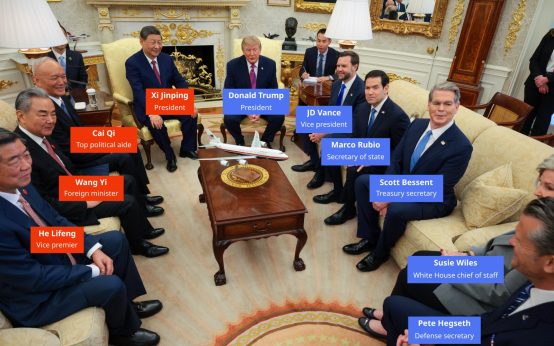 Xi Jinping’s Quest for Global Leadership and Succession Challenges
  Trump Credits His Approach in Addressing Crime Issues
 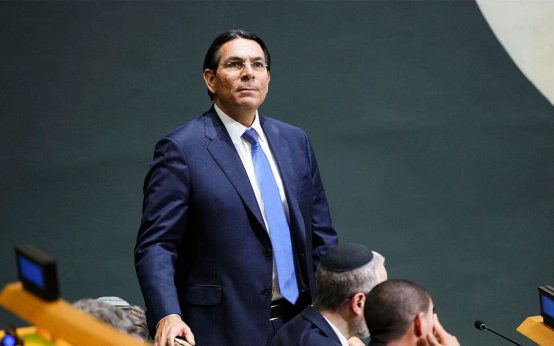 Israel’s U.N. Ambassador’s Viral Video Reaches Iranian Audience
 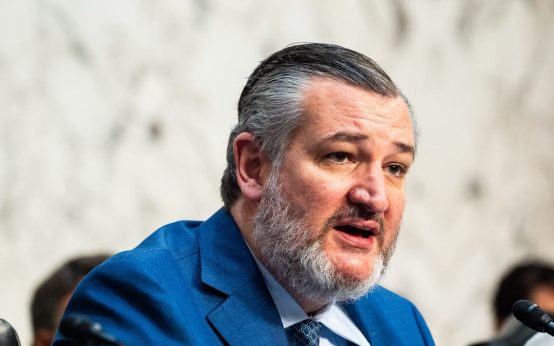 America’s AI Competition with China Sparks Debate Amidst Coordinated Campaigns
  Trump’s Remarks on Ukraine-Russia War Casualties and Peace Efforts