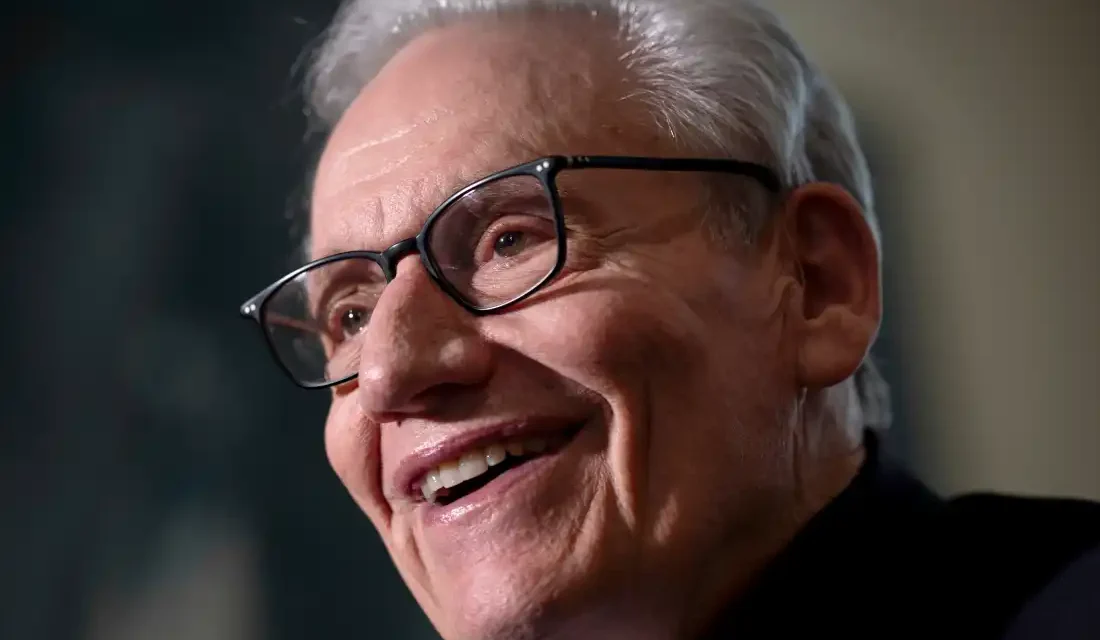
For over fifty years, Bob Woodward has delved into the lives of the powerful, leaving a mark on history with his reporting. Now at 83, he reflects on his own life, sharing experiences that shaped him, decisions made as a journalist, and possible mistakes.
Woodward’s Landmark Work
Woodward, alongside Carl Bernstein, revealed the Watergate scandal that toppled President Nixon. He has since portrayed various presidents through his books. In his latest release, Secrets: A Reporter’s Memoir, he examines his personal stories. These include a challenging family background, career-changing encounters, and trustworthy sources.
“I thought this was a time to let people know. And these are people who didn’t do bad things. Actually, they were trying to get the true story out,” Woodward said.
He discusses some anonymous sources’ identities, raising concerns about confidentiality. He states that some sources are deceased or had given their approval.
Reflecting on Reporting and Mistakes
Woodward’s memoir covers his realization of missed narratives. Despite detailing chaos in the Clinton administration, he acknowledges overlooking the period’s peace and prosperity. During the Iraq War buildup, a significant revelation about Iraq’s weapons was buried deep in a story, which he regrets.

While recalling Watergate, Woodward illustrates how he and Bernstein dedicated weeks to individual stories, a luxury less common in today’s fast-paced digital era. He states, “The secret to impactful reporting is time.”
On Leadership and Journalism
Woodward criticizes Washington Post owner Jeff Bezos for not speaking out against President Trump’s media criticism, though he acknowledges Bezos hasn’t influenced the newspaper’s operations. He writes about the importance of leaders in promoting unwavering journalism.
Personal Roots in Journalism
Woodward attributes his investigative instincts to childhood experiences in Wheaton, Illinois where he uncovered his family’s internal struggles. His career choice followed a stint in the Navy, rejecting Harvard Law School to work at a newspaper, a decision questioned by his father.
“That you get to make momentary entries into people’s lives when they’re interesting, and then get the hell out when they cease to be interesting, which is what always happens,” Woodward said about journalism.
Accompanied by an aide for precaution, he shared his resolve to adapt to changing journalism landscapes while maintaining personal interactions in his reporting. “I will continue to show up and knock on doors, even with a cane in my hand,” he writes.
For further insights, an extensive video conversation with Woodward is available through NPR’s app.
 Trump to Present Presidential Medal of Freedom to Rudy Giuliani
 Land Disputes Arise Over Jared Kushner’s Resort Plans in Albania
 Rep. Julia Letlow Announces Marriage and Recent Political Journey
 A Critical Look at Chicago’s Financial Struggles and Potential Solutions
 Key Developments and Updates in Politics, Health, Sports, Markets, and Security
 Weekly Sports and Culture Highlights