The term “welfare queen” evokes a specific stereotype, one that gained notoriety in the 1980s. It suggests the idea of individuals exploiting welfare systems. However, this notion fails to capture the efforts of many single mothers who work multiple jobs to support their families and aspire to transition from welfare dependency. These women tirelessly save money to escape intergenerational dependence. They are committed to changing their circumstances and breaking free from the cycle of dependency.
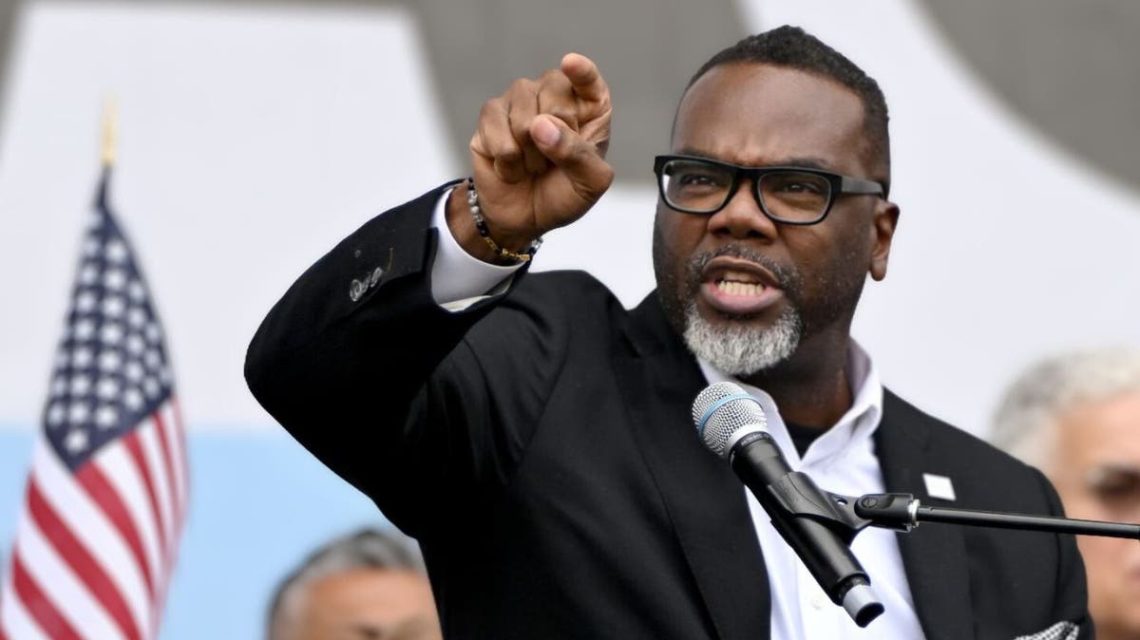
Contrary to popular belief, the largest welfare recipients in the city are not these hardworking mothers. They are politicians who have contributed to Chicago’s massive $55 billion debt. Since taking office in 2023, Mayor Brandon Johnson has added $1.9 billion to the city’s financial obligations. Annual debt and pension costs exceed $3.6 billion, with projected increases to nearly $4 billion simply to remain current.
The administration has a notable amount of borrowing for police misconduct settlements. A deal linked to former Detective Reynaldo Guevara amounts to $260.8 million for 17 men unjustly imprisoned for a collective 384 years. Additionally, officials borrowed $166 million for firefighters’ back pay. Attempted plans to refinance debt and sell old debt did not yield the expected financial benefits.
Despite the staggering deficit, City Hall has not implemented significant layoffs or pay freezes. Government employees continue to enjoy stable employment and benefits, seemingly insular to the city’s financial struggles while adding to the community’s burden.
The resignation of Chief Financial Officer Ashlee Gabrysch serves as a stark example of current issues within the administration. Her decision to step down was motivated by a commitment to integrity after exposing false claims about the budget’s balance. This resignation underlines the extent of Chicago’s administrative challenges.
In contrast to the city’s financial woes, community-led initiatives on the South Side illustrate the power of self-reliance and resourcefulness. Without government aid, millions of dollars were raised to build a community center focused on education and opportunity for local youth. This success story highlights the potential for grassroots transformation.
The persistence of government dependency presents challenges. The increase in governmental activities can stifle individual initiative, leading to greater reliance on public solutions rather than community-driven efforts. Alexis de Tocqueville once recognized the American tendency to form associations for communal betterment, and continued adherence to this principle can empower neighborhoods.
Ultimately, the objective is to inspire more people to join these efforts and reduce dependency on governmental solutions. By fostering independence and community involvement, it is possible to challenge the entrenched political structures that perpetuate financial mismanagement.
Pastor Corey Brooks, known for his activism and leadership at New Beginnings Church of Chicago and Project H.O.O.D., continues to champion this cause. Using his experience and resources, he strives to revitalize communities and encourages greater accountability within government.
 Key Developments and Updates in Politics, Health, Sports, Markets, and Security
 Ana Navarro Critiques Democratic Party’s Presidential Nomination Debate
 The Tradition of Turkey Pardoning at the White House
 Santa Claus in Trump’s Immigration Crackdown: A New York Street Art Story
 Impeachment Effort Against Pete Hegseth Fails
 Legal Hurdles Delay Trump’s Memorial Arch Construction