
Thousands of residents faced power outages on Monday after Tropical Storm Lala uprooted trees across areas from downtown Honolulu to the Big Island. The storm caused flash floods and strong winds, isolating remote communities, especially on the southern end of the Big Island. Floodwaters disrupted grave sites, and officials confirmed one fatality related to the storm. A woman reported missing in Naalehu was discovered dead on Monday, though further details were not provided.
Lala transitioned from a hurricane to a tropical storm on Sunday. It did not make landfall but brought heavy rainfall and widespread flooding, leaving behind a muddy aftermath. The forecast predicted the storm to continue moving westward, potentially regaining hurricane strength by Wednesday while remaining over the open sea.
Statewide public schools, some private schools, and state offices closed on Monday. The Big Island’s schools and county offices were set to remain closed on Tuesday. Cleanup efforts began as crews started clearing roads and repairing infrastructure. The Hawaiian Electric utility reported that nearly 104,000 customers were without electricity by Monday afternoon. Utility poles and towers were knocked down, causing significant damage to the power transmission system.
As the storm affected radio and telephone communications, the 911 service briefly went offline on the Big Island. By afternoon, it was restored. “My district is in shambles,” expressed state Rep. Jeanné Kapela, representing the Kau district. She described communities trapped by debris-blocked roads, including Punaluu, a small community on the southernmost point of the U.S. Her efforts included setting up satellite internet for areas without communication services.
Governor Josh Green hoped for access to the area in a few days. He urged respect for affected cemeteries where remains of Native Hawaiians had been disturbed. Tom Callis, representing Hawaii County on the Big Island, stated these areas are off-limits as no recovery actions are currently taking place there.
Despite the tragic loss, Governor Green noted recovery would progress relatively quickly. Around 100 homes were swept away on the Big Island. Officials advised against entering murky ocean water, even though coastal warnings were lifted. The National Hurricane Center cautioned about life-threatening surf and rip currents. Heavy rainfall saturation could still cause landslides, but meteorologist Patrick Blood assured that strong winds were no longer a threat.
Laupahoehoe recorded the highest rainfall at 43.54 inches. On Mauna Kea volcano, gusts reached 140 mph, while other areas experienced winds of 30 to 40 mph with higher gusts. Federal assistance was promised, with U.S. Sen. Brian Schatz discussing emergency funding support with Transportation Secretary Sean Duffy.
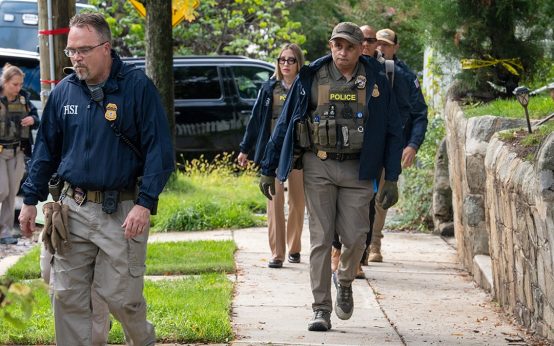 Investigation Into Ilhan Omar’s Financial Disclosures
 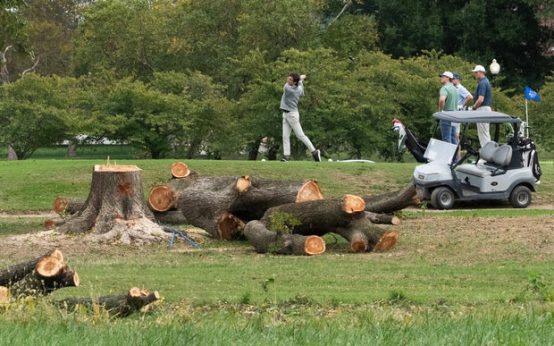 Court Halts Tree Removal at East Potomac Golf Links
  Suspicious Bags Prompt Evacuation at Disneyland
  News Highlights: Guilfoyle Scandal, Iowa Senate Race, and Alaska Rally
  University of Maryland Suspends Tennis Team Over Racist Imagery
  Bison Encounters in Yellowstone: A Growing Concern