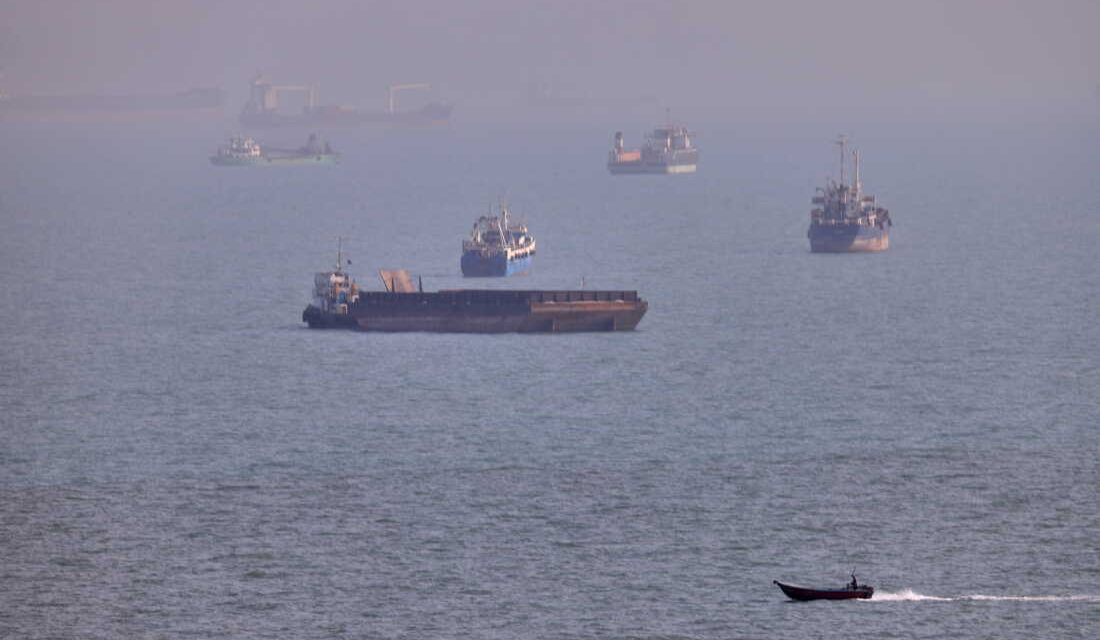
WASHINGTON — The U.S. military conducted strikes against Iran on Tuesday. This prompted Iran to launch missiles and drones across the region. This exchange is part of a conflict that has persisted for over six months.
One U.S. attack struck a home during a wedding, resulting in five casualties and numerous injuries, according to local officials. The U.S. Central Command stated that their offensive targeted Iranian military assets such as air defenses, radar systems, and maritime resources. These strikes came after a month-long pause in military actions.
President Trump asserted that he wouldn’t push Iran into negotiations. He expressed satisfaction with the U.S.’s strategic position and control of the Hormuz Strait, impacting Iran’s economy. Trump suggested that Iranian citizens might eventually oppose their government.
“I couldn’t care less if they sign a worthless, to them, agreement. I like our position now much better, with almost total control of the Hormuz Strait, and their economy totally collapsing,” Trump wrote on social media.
The President clarified that the military actions were responses to Iranian threats against commercial and American forces in the region. The U.S. targeted Iran’s radar installations as they tried to rebuild them.
Iran responded with ballistic missile strikes at Jordan. The Iranian Revolutionary Guard claimed these were aimed at a U.S. base on Jordan’s Gulf of Aqaba coast. Jordan’s military intercepted 10 missiles, and the others landed in unpopulated areas.
Reports from Iranian state media stated that American attacks hit civilian areas along Iran’s southern coast, including a wedding in Kuhestak, killing five individuals, including a child. Iranian officials condemned the actions and promised retaliation.
According to Kuwaiti authorities, Iranian drones targeted their airspace but were intercepted. Iran also claimed an attack on U.S. forces in Bahrain, which was blocked.
Escalations and Economic Impact
Iran’s military vowed severe responses to U.S. actions. The Revolutionary Guard emphasized its resolve and claimed an effective closure of the Strait of Hormuz. This sea route is essential for oil transport, with 20% of global oil supply passing through.
Following these events, explosions occurred across southern Iranian coastal regions. Iranian state TV reported on strikes at civilian sites, including a Jiroft Airport in Kerman province, though no casualties were reported there.
The escalation has affected oil prices, which rose sharply. Crude oil prices have increased over 50% this year, leading to higher gasoline costs, with U.S. prices reaching $4.10 per gallon.
Diplomatic Developments
Prior to renewed military action, Iran signaled willingness to adhere to a ceasefire if the U.S. reciprocated. An interim ceasefire deal reached in June fell apart soon after, amid ongoing tensions.
Previously, U.S. strikes targeted Iranian rocket launch sites threatening the Strait of Hormuz. The renewal of hostilities comes despite diminishing U.S. interceptor stockpiles and domestic unpopularity of the conflict.
Trump noted the potential necessity of further strikes, as both nations communicate the limited scope of their military actions.
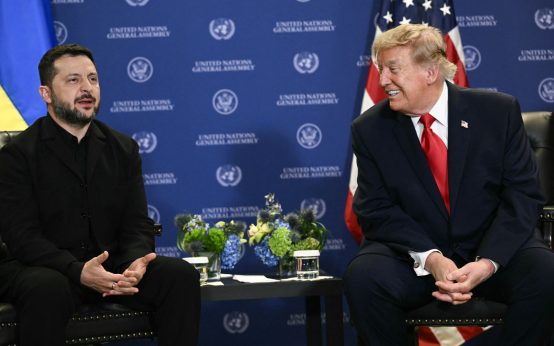 Trump’s Engagements at the UN: Focus on Ukraine and White House Developments
  Trump Administration to Admit 17,500 Afrikaner Refugees from South Africa
 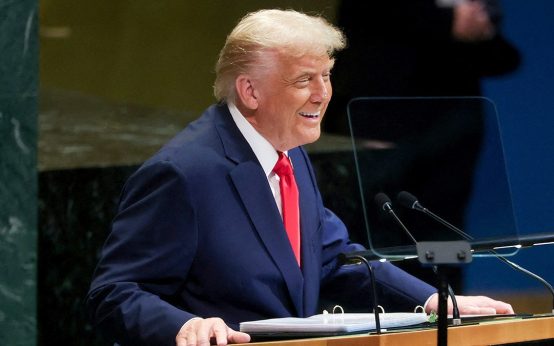 Trump’s Vision for Global Security: Iran, AI, and the Role of the U.S.
  Concerns Raised Over Canadian Assisted-Dying Program
  Lithuanian President Urges U.S. to Maintain Military Presence Amid NATO Challenges
 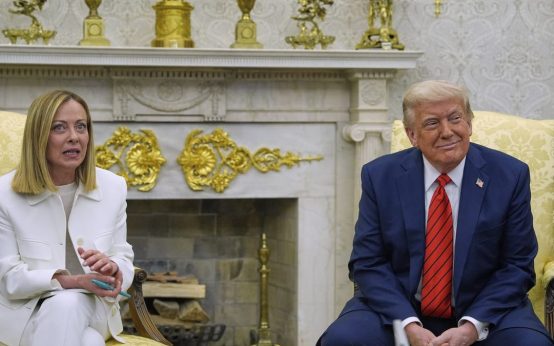 Italian PM Giorgia Meloni Skips UN General Assembly Amid U.S. Tensions