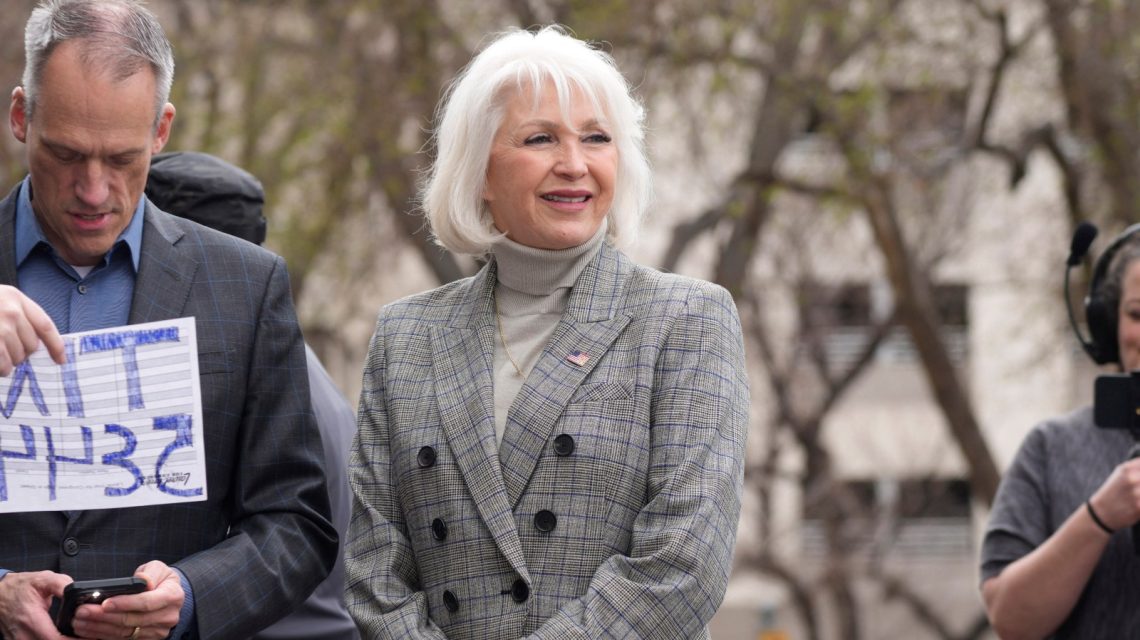
Former Colorado county clerk Tina Peters made headlines after her release from prison on Monday. Governor Jared Polis commuted her sentence, igniting political tensions related to her election interference case. Her remarks criticizing Democrats for potential cheating highlight a continuing national divide regarding the 2020 election’s legitimacy. Despite multiple audits and court rulings affirming the previous election’s results, Peters has continued to promote election conspiracy theories.
Peters’ return to the public sphere, and her immediate claims of election fraud, have drawn criticism. Colorado state officials express concern that this might encourage future election denial efforts. Peters appeared on Steve Bannon’s War Room program shortly after her release. She stated, “I know that the Democrats are going to cheat, and no one is really addressing the problem that I spent my time in prison as retribution for.”
What Was Tina Peters Convicted Of?
A Republican who served as Mesa County clerk, Peters was convicted in 2024. Multiple counts were tied to a security breach scheme following the 2020 presidential election. Prosecutors argued that she orchestrated unauthorized access to voting equipment. An outside expert, associated with MyPillow CEO Mike Lindell, copied data from Dominion Voting Systems machines in 2021. This happened during a period when election conspiracy theories were popular among certain allies of former President Donald Trump, who disputed his 2020 loss.
Jurors found Peters guilty of offenses like attempting to influence a public servant, conspiracy to commit criminal impersonation, and official misconduct. Authorities noted that the copied data and images, including passwords, were publicly shared. This fueled false claims about manipulated voting machines altering election outcomes. Numerous reviews, recounts, and audits confirmed that President Joe Biden won the 2020 election. Courts rejected legal challenges alleging widespread fraud, including rulings from judges appointed by Trump.
Despite this backdrop, Peters became a notable figure in the election denial movement, often portraying herself as a whistleblower.
When Bannon asked about her freedom, Peters replied, “You know, Steve, I’m not even sure yet. After 606 days in prison, enduring it has been quite the ordeal.” She acknowledged those who supported her throughout her sentence.
How Long Was Tina Peters’ Sentence?
In October 2024, Peters received a nine-year prison sentence, marking one of the longest for election interference cases post-2020. She, however, served less than two years. Incarcerated since August 2024, she was released in June 2026 after receiving clemency. Polis’ decision revised her sentence to roughly four and a half years, making her eligible for parole.
This early release followed an April ruling by the Colorado Court of Appeals. While upholding Peters’ conviction, the court found the original sentencing improperly considered her political speech regarding election fraud. Polis’ commutation of her sentence faced backlash with members of the state Democratic Party, including censure of Polis for undermining accountability.
Peters defended herself in an interview with Bannon, mentioning, “Polis pardoned 35 people and gave clemency to nine—I was one of them. So there is concern for my well-being and safety, but I am grateful.”
Why Did Governor Polis Commute Tina Peters’ Sentence?
Governor Polis stated concerns about the length and legal foundation of Peters’ sentence influenced his commutation decision. In his clemency letter, he acknowledged Peters’ “serious crimes,” but viewed her punishment as excessive for a first-time nonviolent offense.
He agreed with the appellate court’s finding regarding the improper influence of Peters’ political views in her sentencing. Criticism from Colorado Secretary of State Jena Griswold, and other Democratic politicians, centered on the risk of emboldening election denial efforts by releasing Peters. However, Peters shows no signs of backing down from her claims.
Her case continues to serve as a flashpoint in national discussions about election legitimacy. Her actions and statements will likely influence future election cycles.
Following her release, Colorado’s Democratic Senator Michael Bennet, who is campaigning for governor, expressed his views on X, stating, “If anyone had doubts about whether Tina Peters learned anything from her imprisonment, she answered that question within hours of her release.”
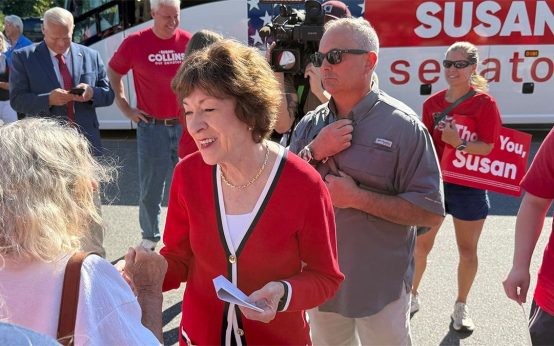 Senator Collins Unfazed by Vandalism Incident Amidst Senate Race
 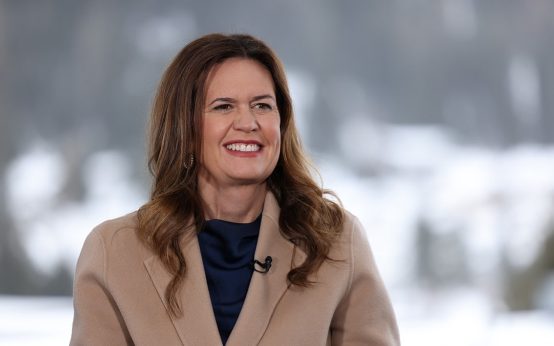 Controversy Surrounds Huckabee Sanders’ Welfare Ad
  Mamdani’s Child Care Plans: A Model for Policymakers
  U.S. Senate Advances Protect College Sports Act Amidst Debate
  A Test of Leadership in Global Crises
  Examining Accountability in Missouri’s Education System