Overview of the U.S. Conflict with Iran
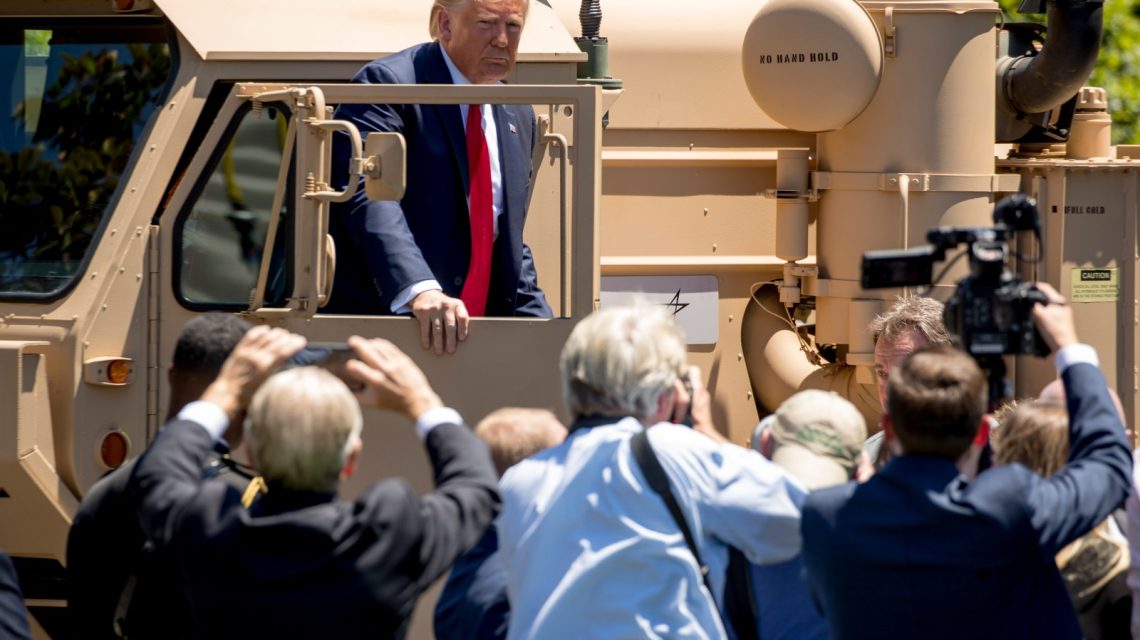
Over five months into the conflict between the United States and Iran, President Donald Trump assures that the U.S. arsenal remains full. This statement comes amidst concerns from officials and analysts about depleted stockpiles of key weapons, affecting military readiness against countries like Russia and China.
Trump, via social media, stated that America has “massive amounts” of munitions, especially of specific types. His comments respond to reports suggesting the U.S. has reduced stocks of certain weapons used both offensively against Iran and defensively for American allies and bases in the Middle East.
Concerns Over Stockpile Shortages
Reports by major outlets indicated potential munitions shortages, possibly affecting strategic options against Iran. Trump was concerned enough to cancel a planned two-week strike campaign in July due to stockpile anxiety.
During a meeting at Camp David, Trump questioned Defense Secretary Pete Hegseth about previous information on munitions shortages, which could limit U.S. actions. Anonymous sources reported that Trump assumed the stockpile issue was addressed, although White House press secretary Karoline Leavitt denied such discussions occurred, praising Hegseth’s performance.
Impact on Global Conflict Readiness
The ongoing conflict with Iran has stalled U.S. efforts in the Strait of Hormuz, an essential international trade route. The uncertainty of stockpile adequacy raises concerns about extended operations if the U.S. continues bombings.
Ukraine faces challenges as well, relying heavily on U.S. air defense to counter Russian missile attacks but lacking sufficient interceptor missiles. Observers warn of U.S. inadequacy in facing China should Beijing move against Taiwan soon. A Heritage Foundation report noted “inadequate” supplies for a potential engagement with China’s military.
Specific Weapons Running Low
Weapons stockpile details remain classified, but five key missile types are reportedly low due to the U.S.’s sustained efforts in Iran and its defensive maneuvers across the Middle East.
Army Tactical Missile Systems (ATACMS) and Precision Strike Missiles (PrSMs): The U.S. Army has nearly exhausted its supply of ATACMS and PrSMs, both capable of precise, long-range strikes.
Tomahawk Missiles: Approximately half the Tomahawk missile stockpile has been used since February, with over 1,000 fired between the conflict’s start and late April.
Air Defense Systems Under Pressure
Patriot and Terminal High Altitude Area Defense (THAAD) Systems: These systems intercept incoming threats but are heavily utilized due to their effectiveness. Ukraine reported shortages, resulting in fatal missile attacks on Kyiv.
Before the conflict, the U.S. had 452 THAAD interceptors, depleting to 234 by late July. The estimated number of Patriot interceptors dropped from 2,330 to 759 in the same period.
The U.S. has used nearly 80% of its THAAD missile inventory and about half of its Patriot interceptors, according to CNN sources. Despite assurances from officials about sufficient stockpiles, defense companies face pressure to increase production.
 Ukraine Missile and Drone Barrage Hits Russia Amidst Elections
  U.S. Strategic Goals Remain Unmet Amid Prolonged Conflict
  New Photos Reveal Damage from Iranian Strikes in the Middle East
  Assassin of Chilean Diplomat Orlando Letelier Faces Deportation 50 Years After Assassination
  Gorillaz and Macklemore Respond to Controversy Over Israel-Palestine Statements
  Investigation into Lion Deaths in Tanzania