
Earlier this year, a 15-second AI-generated video showing Brad Pitt and Tom Cruise fighting on a rooftop caused significant backlash in Hollywood. A screenwriter described the clip as “terrifying.” The Motion Picture Association urged ByteDance, the Chinese tech giant behind the AI tool, to cease its “infringing activity.” Despite this, ByteDance is quietly gaining traction with filmmakers, independent artists, and executives interested in its AI video generation tool, Seedance.
Seedance was launched in the U.S. this spring at an event in Santa Monica hosted by a group connected to the Chinese government. ByteDance has been proactive, hiring for 100 roles, signing independent filmmakers and artists, and discussing AI film financing privately. The company organized a caviar party at Cannes and promoted its tool at Amazon’s AI event in Culver City.
Peter Csathy, from Creative Media, stated, “Hollywood must react to market realities. Seedance has the most powerful video generator currently available.” Joel Kuwahara, who worked on “The Simpsons,” noted that studios may not officially approve Seedance but still use it. ByteDance did not comment on its U.S. expansion.
The competition over AI video models is fierce. American companies like Google Veo, Runway, and Luma face rapid advancements from Chinese rivals such as Seedance, Kling, and Alibaba’s HappyHorse. According to Artificial Analysis, Seedance offers the most cost-effective and high-quality option, at $9 per minute for video and audio generation, compared to Google’s Veo at $24 per minute.
This price advantage appeals to independent filmmakers like Rupert Wainwright, who wants to use Seedance for his film “Sebastian,” set in 3rd century Rome. Steven Schneider, known for “Paranormal Activity,” is planning an AI horror film using Seedance, emphasizing its workflow efficiency.
Seedance supports filmmakers by providing monthly credits and access to unreleased features, fostering brand awareness. Kavan Cardoza, an independent filmmaker, uses Seedance for his AI fantasy series “The Chronicle of Bones,” which garners 3 million views per episode on YouTube.
Seedance solves a key issue for Cardoza by maintaining character consistency between shots. He creates characters using self-portraits as references for AI-generated personas, which aids in bringing a consistent cast to life.
The rise of synthetic actors like Tilly Norwood has met resistance from SAG-AFTRA. Stephan Vladimir Bugaj from JioStar discussed Seedance’s appeal due to its filmic quality and advanced features like camera direction, lighting, and action fluidity.
Seedance’s popularity has led it to quote $2 million for special access to major Hollywood studios. Despite the demand, Amit Jain, CEO of Luma, points out the limited potential for traditional studios to adopt Chinese models due to geopolitical concerns.
AI spending by media companies is expected to rise from $2.6 billion to $12.5 billion by 2029, indicating significant growth in the industry. Bugaj believes the competitive pricing of Chinese models should alert American companies to adapt or risk losing market share.
Zada emphasized filmmakers’ willingness to use the best tools available, regardless of origin.
 Cancellation of the Red Sea International Film Festival Amid Regional Conflict
  Community Colleges in Chicago Prepare for AI’s Role in Workforce
  Air Traffic Communication Breakdown Disrupts Northeast Airports
 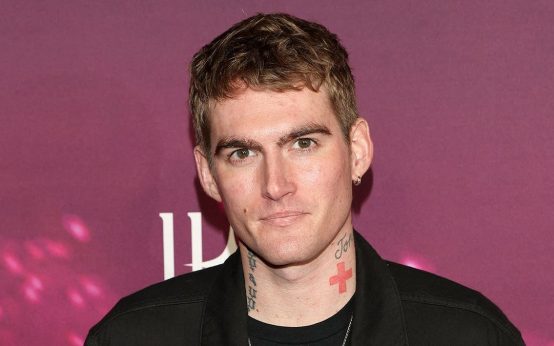 Family Mourns the Loss of Presley Gerber
  Presley Gerber, Son of Cindy Crawford and Rande Gerber, Passes Away at 27
  AI Fears Impact Trump-Xi Dialogue Amidst Challenges