
The Trump administration is currently evaluating the future of an accreditor responsible for overseeing approximately 1,300 beauty and cosmetology schools, affecting more than 120,000 students. This decision could serve as a test case for the administration’s intention to overhaul higher education accreditation.
During his 2024 campaign, President Donald Trump pledged to remove what he called “radical left accreditors,” suggesting accreditation as a tool against colleges he claimed had political biases. However, the current issue under review by the U.S. Department of Education (DOE) differs from previous disputes centered on diversity, equity, and inclusion (DEI) policies.
This matter concerns the National Accrediting Commission of Career Arts and Sciences (NACCAS) and its compliance with federal standards. The question is whether NACCAS has met these requirements, and if not, what steps should be taken next.
Many beauty and cosmetology schools face the risk of losing their accreditation, a crucial element for participating in federal student aid programs. NACCAS accredits around 1,300 institutions, reaching over 120,000 students.
DOE staff identified some shortcomings in NACCAS but suggested maintaining its federal recognition with certain conditions, such as additional monitoring. Yet, the National Advisory Committee on Institutional Quality and Integrity (NACIQI) took a firmer stance, recommending by a 9-3 vote that the department deny NACCAS renewed recognition.
The DOE follows a three-step review process for accreditor recognition every five years. The staff makes an initial recommendation, NACIQI offers its advice, and a senior department official makes the final decision based on these inputs.
For students reliant on federal financial aid, accreditation is essential. Aliyah Fernandez, a Hollywood Institute cosmetology graduate, expressed that financial aid was indispensable for her education. “I could not have afforded beauty school without it,” she stated, emphasizing how it enabled her to remain present in her daughter’s life while pursuing a career.
Blythe Fields, another cosmetology student, shared her difficulties in funding her education. Having personally financed her esthetician training, Fields now depends on federal aid while juggling work and school. “The flexibility to raise my child is crucial,” she noted.
Fernandez and Fields initiated a petition urging the DOE not to adopt NACIQI’s recommendation but to allow NACCAS time to correct its issues. Fernandez understood the department’s concerns but deemed full termination of accreditation as unreasonable, given the impact on many students.
At the heart of the disagreement lies the question of NACCAS’s compliance. DOE staff suggested restricting NACCAS’s ability to accredit new institutions until it meets federal standards. NACIQI, however, favored denying recognition altogether.
Zakiya Smith Ellis, an Obama-era DOE official, motioned for denial, citing longstanding compliance issues and student financial concerns. Although some committee members, like Robert Eitel, opposed the denial, arguing for corrective action instead.
This proceeding contrasts with Trump’s executive order emphasizing illegal discrimination through DEI standards. The current focus on NACCAS pertains to compliance and oversight matters.
Smith Ellis has publicly defended DEI policies, yet she did not respond to requests for comment on her stance regarding the NACCAS recommendation. Fields believes beauty trades often receive less attention compared to male-dominated trades.
Ultimately, the decision on NACCAS’s recognition could significantly impact numerous beauty and cosmetology schools and their students, either enhancing or limiting their access to essential federal aid.
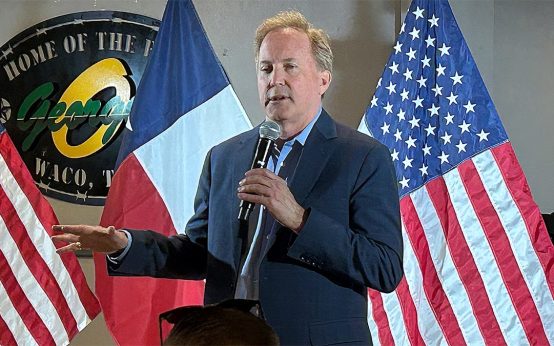 Bush and Cornyn: Fundraising Dynamics in Texas Politics
 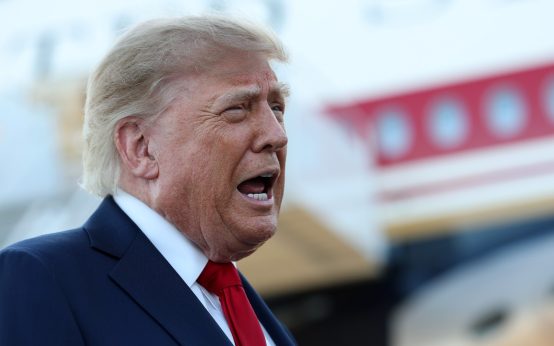 Lawsuit Filed Against Trump Over Truth Social Subscriber Program
  Political Shifts and Leadership Challenges in U.S. Politics
  Democrats Gain Trust on Economic Management
 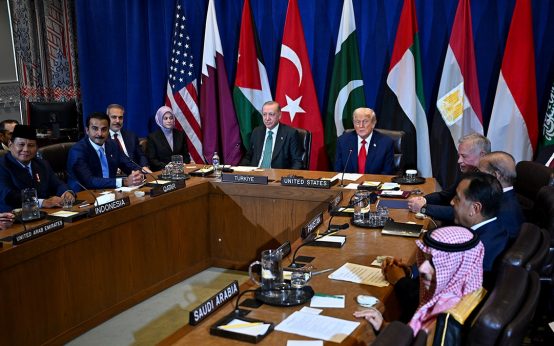 UN General Assembly and Middle East Diplomacy Amid Rising Tensions
  Criticism of NYC’s Office of Mass Engagement