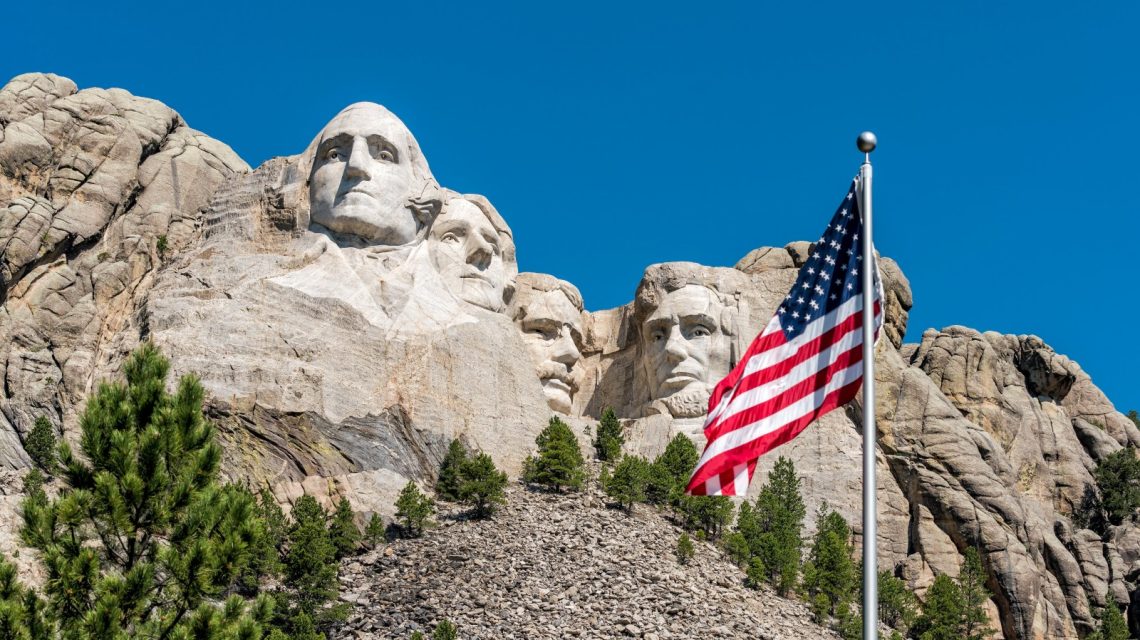
Attending the opening of the Theodore Roosevelt Presidential Library in Medora, North Dakota, on July 4, 2026, is a memorable experience. Located above the Little Missouri River, this institution highlights the site where Roosevelt’s character was shaped. It follows the opening of the Obama Presidential Center in Chicago, with anticipation for the Trump Presidential Center in Miami. These openings are crucial during a period of deep partisan divides and declining historical literacy, as they emphasize the importance of presidential sites as centers of shared national memory.
The nation faces significant challenges. Political polarization weakens civil discourse, and surveys show gaps in knowledge about founding principles, the constitutional framework, and key historical leaders. Civic engagement often feels superficial. The Roosevelt Library and other presidential sites counter this trend. They encourage thoughtful engagement with history, avoiding the isolation of echo chambers. Situated in the North Dakota countryside, the library emphasizes that American history is for everyone, not just those in major cities.
Presidential libraries are evolving educational institutions, not static archives. They form a network of nearly 200 sites, including libraries, museums, birthplaces, and homes of presidents and first ladies. These sites are important for civics education, preserving documents, artifacts, and personal stories that humanize the presidency. They offer exhibitions, lectures, teacher training, and programs that encourage critical thinking about leadership and governance. In an era of misinformation, these institutions provide factual and contextual grounding.
Theodore Roosevelt’s legacy is one of transformative leadership. After personal tragedy, he found renewal in the Dakota Badlands, later becoming president in 1901. His “Square Deal” addressed corporate monopolies, consumer protections, and fair labor practices. Roosevelt protected 230 million acres of public lands and empowered future presidents through the Antiquities Act of 1906. His leadership style, combining vigor and intellect, remains instructive today amid challenges like inequality and environmental issues.
Preserving White House and presidential history supports the republic’s future. Presidential sites, like the Roosevelt Library, connect the White House’s legacy to America’s broader experience. These sites remind us that the presidency is a public institution, accountable and enriched by citizen engagement. Nearly 200 sites nationwide combat historical amnesia, fostering empathy and a sense of shared enterprise. The Obama Center addresses contemporary challenges, while the Roosevelt Library recalls the Progressive Era. The anticipated Trump Center will add another layer to this narrative.
Marking the Semiquincentennial encourages visits and support for these role models of democracy. Roosevelt urged Americans to live lives of strenuous endeavor. Today, his library calls on us to enter the arena, study history honestly, debate it vigorously, and apply its lessons to build a more unified nation. The Badlands opening symbolizes renewed civic vitality, challenging us to embrace our roles as citizens as the United States reaches its 250th anniversary.
The perspectives shared reflect the views of Stewart McLaurin, president of the White House Historical Association.
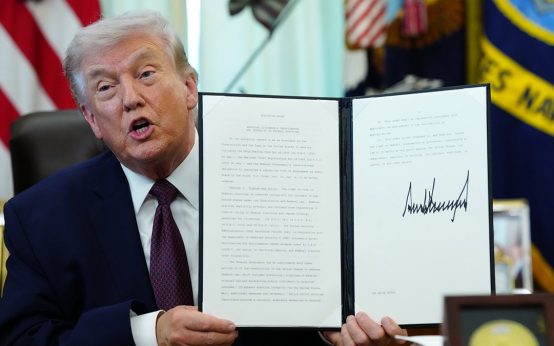 Court Blocks Trump’s Mail-Ballot Rules Ahead of Elections
 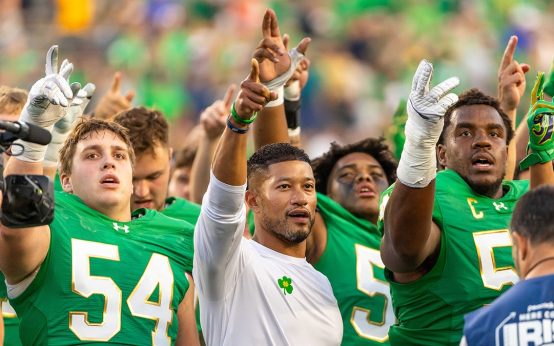 Teen Arrested in Penn State Student’s Murder; Second Suspect at Large
  A Mother’s Tragic Journey Under Abortion Ban
  U.S. Strategic Goals Remain Unmet Amid Prolonged Conflict
 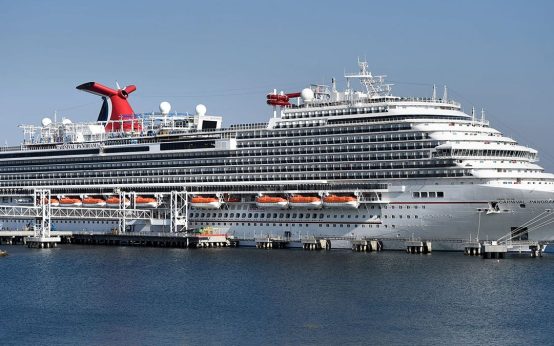 Carnival Panorama Passenger Jumped Overboard During Final Leg of Cruise
  Converse Apologizes and Withdraws Controversial Ad Amid Criticism