
Teaching artists contribute significantly beyond just imparting art education. Their influence stretches into areas of personal growth, communication skills, and critical thinking.
In my own experience, scheduled for a dance class, I found myself distracted by conversation rather than focusing on the movement. My instructor, seeking to realign my attention, relocated me to sit under the piano where my gaze could focus only on the footwork of my peers.
This perspective alteration not only narrowed my visual scope but emphasized the rhythm and coordination involved in the dance. Observing the sneakers and socks gliding over the surface to the beat fostered an understanding of the discipline and practice necessary to master the art form.
Teaching artists operate at this intersection of discipline and creativity, encouraging students to perceive art beyond its aesthetics. They foster environments where learners internalize art as both a personal expression and a communal language.
The Hechinger Report, dedicated to highlighting educational innovation and addressing inequality, underscores the broad impacts teaching artists have. Their efforts illustrate how education in the arts goes beyond technique, influencing public understanding of cultural contributions and their significance.
By shaping such educational experiences, teaching artists encourage exploration, foster creative problem-solving, and nurture a lifelong appreciation for the arts.
 The Financial Expectations on Universities: A Parental Perspective
  Nikole Hannah-Jones Reflects on Educational Choices for Her Daughter
  The Rising Trend of GLP-1 Medications Among College Students
  Seton Hall National Security Graduate Fellowship Provides Hands-On Experience
 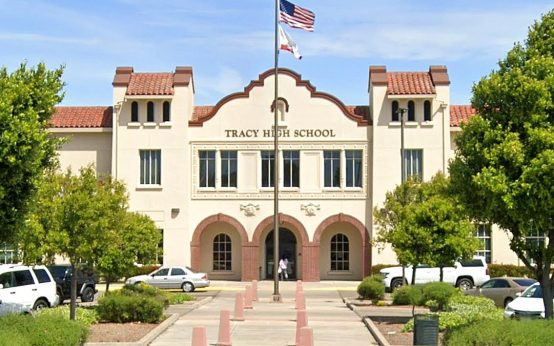 California High School Coach Arrested Over Secret Recording in Locker Room
  Student’s Coffee Incident Sparks Policy Review in New York School