
The Debate on Artificial Intelligence and Economic Impact
Officials at the nation’s primary financial institution have ongoing discussions about how artificial intelligence affects the economy. An analysis by the Washington Post reveals the significance of these conversations. Many believe that AI represents a substantial opportunity for economic transformation.
Leadership Perspectives on AI
In a recent announcement, Federal Reserve Chair Kevin Warsh highlighted his plans to address inflation. His remarks came after his nomination by President Donald Trump. Warsh also emphasized a key area of interest: the impact of artificial intelligence on economic growth.
Both Warsh and President Trump hold a shared belief in the potential of AI to revolutionize economic processes. Their confidence in technology’s revolutionary power underscores the importance placed on AI by the Federal Reserve.
AI as an Economic Catalyst
The focus on artificial intelligence is part of a broader agenda to leverage technology for sustainable economic development. By exploring AI’s capabilities, the Federal Reserve aims to identify strategies that could unleash new economic opportunities.
Kevin Warsh: “Artificial intelligence represents the frontier of economic innovation.”
Through these discussions, the Federal Reserve seeks pathways that ensure AI contributes positively to economic metrics such as productivity, employment, and inflation control.
 AI Fears Impact Trump-Xi Dialogue Amidst Challenges
 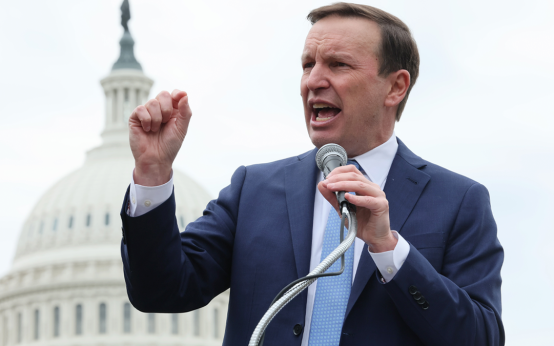 Senator Murphy Calls for Internet Regulation to Prevent Influence of Demagogues
  House Breaks Early Amid Concerns Over Unregulated AI
  Expansion of Data Centers Fueled by AI Development
 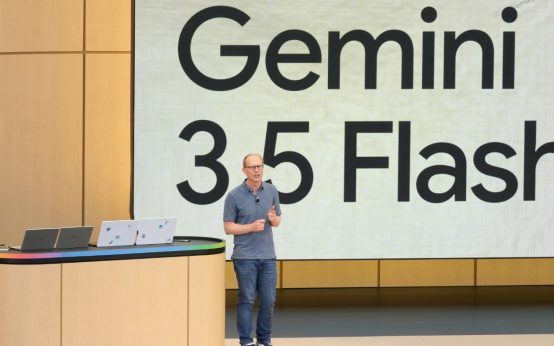 Addressing the Potential Risks of AI
  Data Centers in Virginia face Growing Opposition