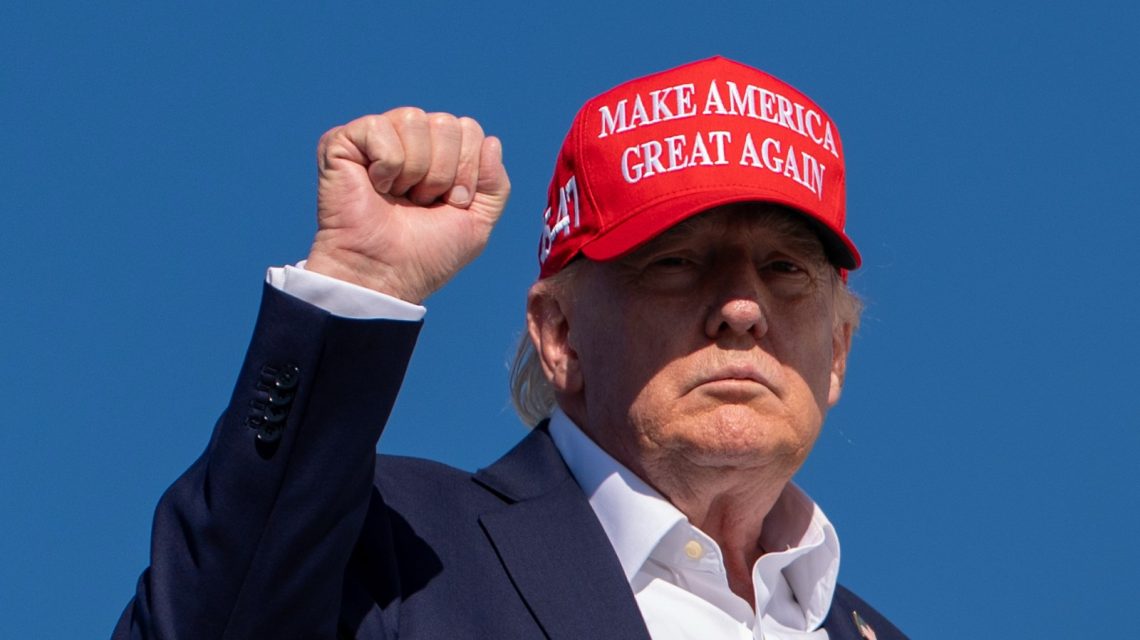
Approaching the midterm elections, President Donald Trump encounters challenges with his promise to reduce mortgage rates and enhance housing affordability. Despite his campaign assertions, borrowing costs today mirror those from the start of his term.
Trump’s Campaign Promises on Mortgage Rates
During his 2024 campaign, Trump vowed substantial rate cuts. He assured supporters in Arizona of returning rates to pandemic-era levels. At a Tucson rally in September 2024, he pledged rates could decrease to 2 percent, allowing for more affordable home financing.
At the time of his statement, the 30-year fixed mortgage rate averaged 6.09 percent according to Freddie Mac, less than current figures. The White House has yet to comment on this matter.
Current Mortgage Rates Compared to the Past
In the week ending January 23, 2025, the national 30-year fixed-rate mortgage averaged 6.96 percent. This figure was below October 2023’s peak of 7.79 percent, which followed the Federal Reserve’s rate hikes aimed at curbing inflation. However, this is still twice the pandemic-era rates of 2 to 3 percent. In early January 2021, rates hit a low of 2.65 percent before Joe Biden’s presidency.
Mortgage rates gradually descended during Trump’s tenure, despite events like joint U.S.-Israel strikes on Iran. By February 26, 2025, rates fell below 6 percent for the first time since September 2022, resting at 5.98 percent according to Freddie Mac data.
Factors Influencing Current Mortgage Rates
The Federal Reserve’s three rate cuts in 2025 contributed to this decline, although not as drastically as Trump desired. By September 2025, the average 30-year fixed mortgage rate rose to 6.71 percent. This increase countered late 2025’s analyst expectations for rates dropping below 6 percent by year-end. War with Iran escalated oil prices, affecting Trump’s approval rating.
Realtor.com economist Jiayi Xu noted the Middle East conflict’s impact on oil prices and inflation, further complicating Fed’s goals. Bond yields dropped when tensions eased, but escalations revived inflation fears, increasing yields and mortgage rates.
Impact of High Mortgage Rates on Homeowners
Current homeowners hesitate to sell due to high mortgage rates, decreasing housing inventory. Many remain tied to low-rate mortgages without motivation to move, even if their homes no longer suit them. Jessica Lautz from the National Association of Realtors highlighted this ‘locked in place’ phenomenon.
First-time buyers face higher costs due to elevated rates. Example: purchasing a median-priced home at current rates costs approximately $800 more monthly than when historically low.
Presidential Influence on Mortgage Rates
Presidents lack direct control over mortgage rates, unlike tax rates. Trump’s frustrations with Federal Reserve Chair Jerome Powell stemmed from his inability to enforce steep rate cuts.
Mortgage rates largely follow financial markets, Treasury note yields, and economic confidence. The Fed indirectly influences them via benchmark rate adjustments, affecting Treasury yields.
Presidential policies impact economy-related rate conditions. Policies reducing inflationary pressures can lower rates; inflationary-viewed policies raise Treasury yields and borrower costs.
Trump’s Policies and Their Effects
Despite promises, 2 percent mortgages remain unrealized, yet costs decreased during Trump’s second term. Rates declined from 6.96 percent to 5.98 percent by February 26, 2026, according to Freddie Mac.
Administration-driven $200 billion purchases of mortgage-backed securities by Freddie Mac and Fannie Mae supported mortgage debt demand, reducing borrowing costs temporarily. However, rates climbed again in March.
The administration champions its economic agenda for fostering growth and affordability. However, some analysts warn inclusionary tariffs may retain high borrowing costs, as warned by industry groups concerned about construction material tariffs amid housing shortages.
Geopolitical tensions, like the Middle East conflict, elevate rates, maintaining rates above 6 percent and approaching 7 percent.
Future Outlook for Mortgage Rates
Analysts anticipate stable rates this fall due to potential Federal Reserve rate hikes. The upcoming Consumer Price Index (CPI) report will guide Fed decisions, according to Jeff DerGurahian from loanDepot.
If inflation stabilizes, further rate hikes may pause. Otherwise, rising rates loom, particularly with Middle East unrest impacting oil prices and inflation.
Fed Chair Kevin Warsh hinted at economic health and persistent inflation, with possible consensus on September rate hikes as market odds increased from 35 percent to 57 percent.
Middle East volatility could sustain inflation concerns, challenging Fed restraint even if domestic data shows improvement.
 U.S. Strategic Goals Remain Unmet Amid Prolonged Conflict
  The Impact of Arts and Closure on Democracy
  U.S. Ambassador Comments on Iran War Duration Amid Political Concerns
  US-China Relations Under Scrutiny: Expert Warns of Escalating Tensions
  No Timeline for End of Iran Conflict
 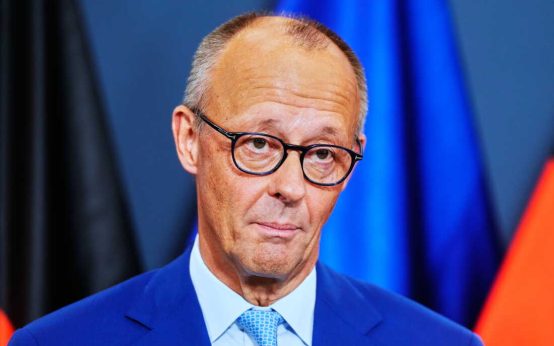 German Chancellor Merz Vows to Pursue Reforms Despite Election Setbacks