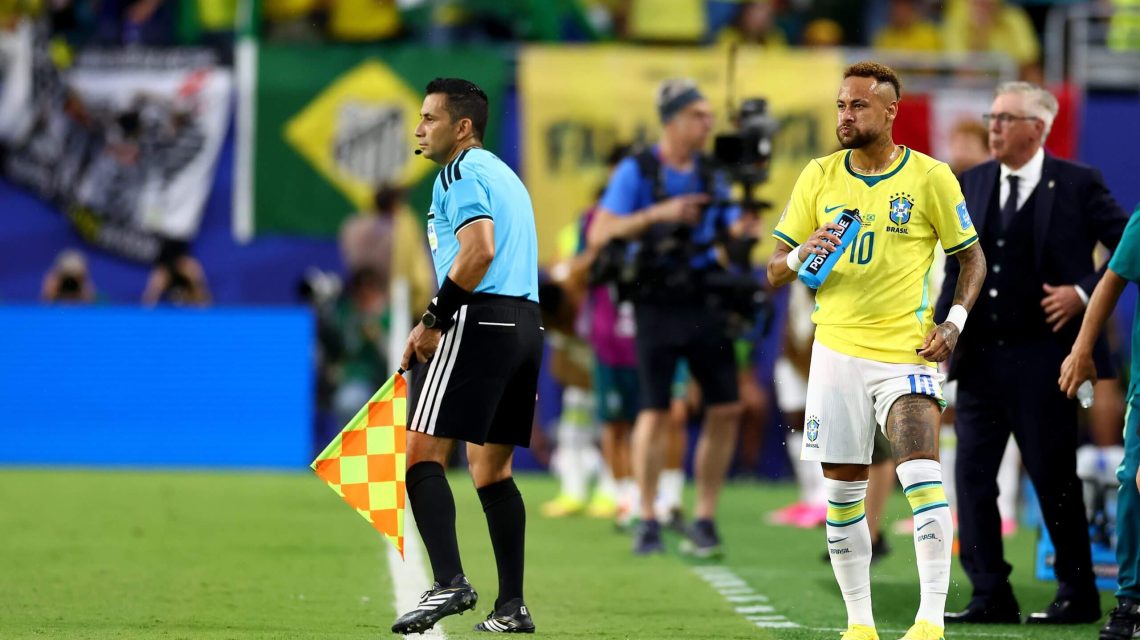
During England’s world-famous 0-0 draw against Ghana in the World Cup, midfield standout Declan Rice made headlines by adjusting his shorts at a corner flag. As he rolled them up, spectators in Boston Stadium and beyond witnessed this unique display. Discussions erupted online about Rice’s shorts tactics, evolving into conspiracy theories about the significance of short lengths in football. Some wondered if shorts’ height hinted at inswingers or outswingers. Did quad exposure relate to ball placement?
If you browse FIFA’s annual equipment regulations, you’ll find a comprehensive guide covering various apparel details. Five pages focus solely on shorts, specifying necessities like wearing them, design elements, and visible player numbers. However, explicit short length limits are absent. This flexibility allows players like Rice to prefer the feel of wind on their thighs. Many players have embraced short shorts, including Manchester City’s Jack Grealish and Brazil’s Neymar.
Motivations for opting for short shorts are varied. Some coaches acknowledge using short lengths as subtle codes for set-pieces. Fashion, personal aesthetics, and performance psychology also play roles. Martin Turner, a psychologist with over 15 years of experience, notes that such behavior can function as psychological grounding, helping players manage game pressures. Echoing tribal practices, players may use rituals to gain control, repeating successful ones until they become second nature.
Turner warns discontent with new kits can generate stress, leading players to hike their shorts as a coping mechanism. Players crave unrestricted movement. Shorter shorts emphasize mobility, providing a tactical advantage. For instance, former England international Joe Cole and Italy’s Paolo Di Canio preferred snug fits to hinder defenders.
Rob Warner, a design expert, notes that while shorts receive less attention in design compared to other apparel, they greatly impact player comfort and performance. Past innovations by companies such as Puma and Nike aimed to optimize mobility and regulate temperature. However, extreme conditions at events like the World Cup might test these advancements.
Shorts hold psychological importance too. Warner suggests that players like Ronaldo gain confidence through certain clothing, partially explaining the viral fascination with figures adjusting their attire. Turner highlights that appearance impacts self-confidence, validating players’ desire to look and feel good on the field.
Shifts in short fashion reflect broader cultural trends. Early football saw long trousers. In later decades, short lengths varied, influenced by cultural tides. The 1990s and early 2000s favored baggier fits due to hip hop’s influence. Recent tech improvements offer enhanced options, yet fully customized shorts remain unlikely. Players will likely continue minor adjustments like hikes and tugs, sometimes embedding coded signals for success.
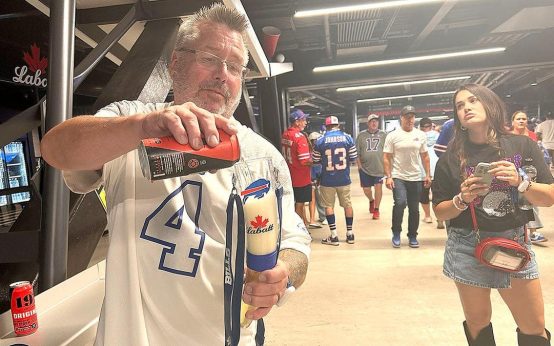 Buffalo Bills Tailgating and Highmark Stadium Experience
 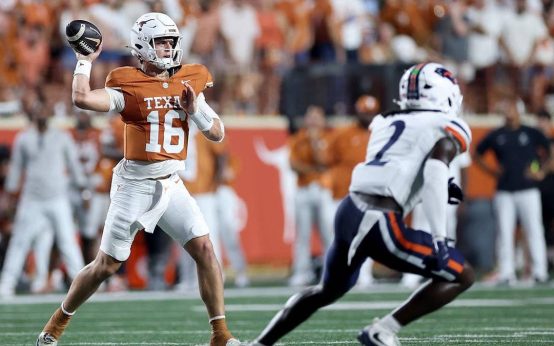 Texas Longhorns Triumph Over UTSA with Defensive Strength and Key Plays
 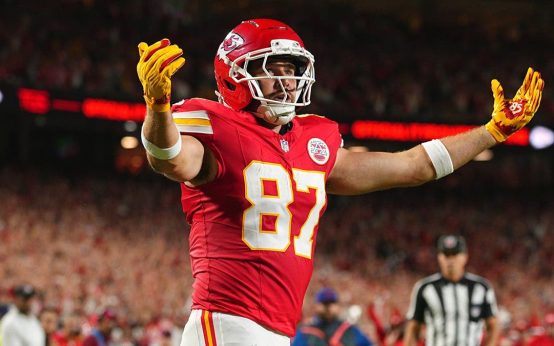 Travis Kelce Sparks Excitement at Arrowhead Stadium
 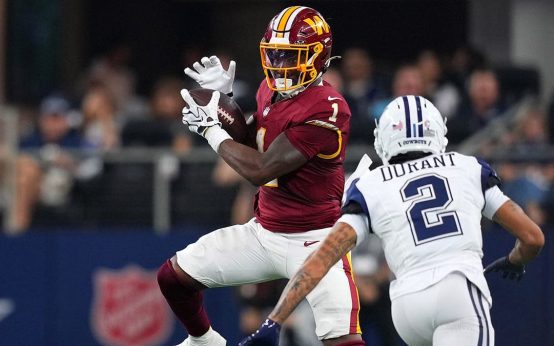 Dallas Cowboys Defeat Washington Commanders Amid Player Injury
 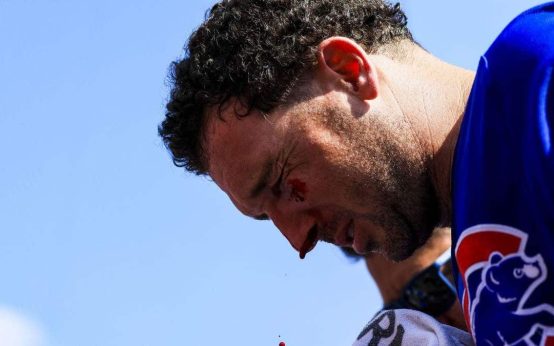 Chicago Cubs’ Alex Bregman Suffers Facial Injury from Foul Ball
 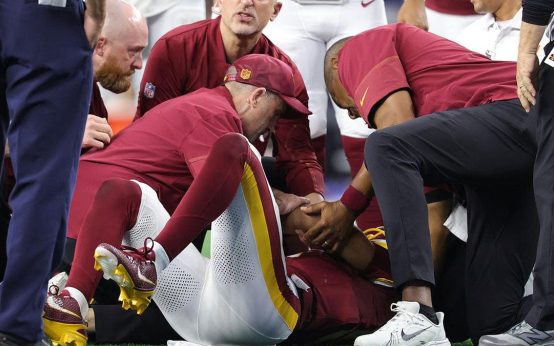 Washington Commanders Face Major Setback as QB Jayden Daniels Suffers Elbow Injury