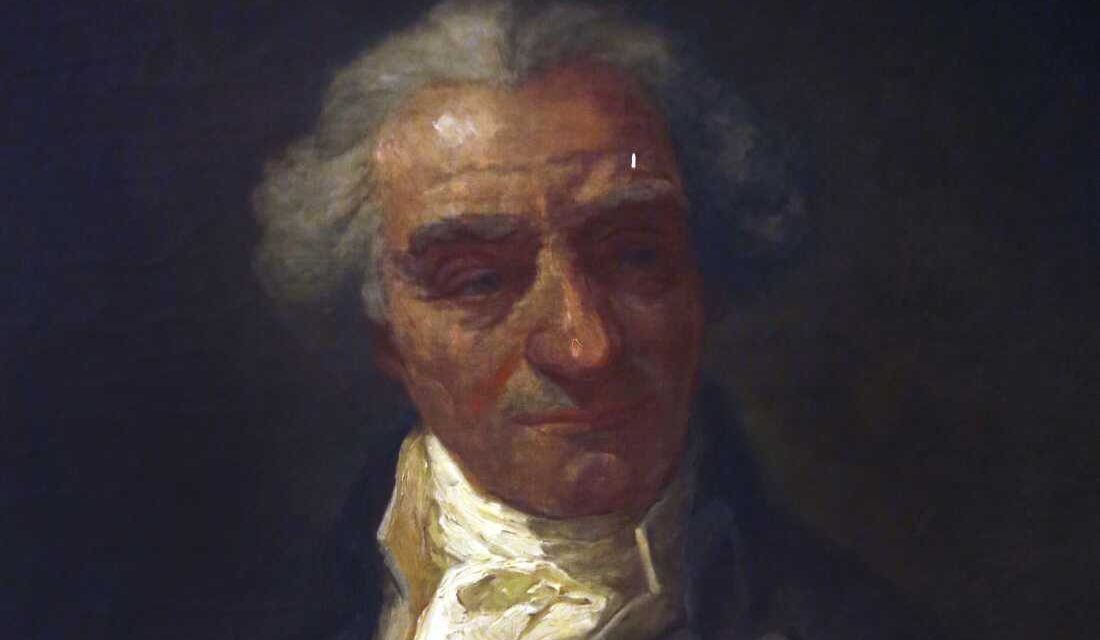
A painting of Governor Elbridge Gerry hangs in a hallway at the State House in Boston. In 1812, he developed a redistricting plan to favor his allies. This led to the term “gerrymander.”
Unlikely Fame Among Founding Fathers
Samuel Adams and John Hancock are well-known Massachusetts patriots. They signed the Declaration of Independence and the Articles of Confederation. Yet, Elbridge Gerry is another significant figure deserving attention. Although not as renowned, Gerry was an early advocate for American independence.
Gerry was one of only three delegates at the Constitutional Convention who did not sign the document. He refused because it lacked a Bill of Rights at the time. These first ten amendments outline basic freedoms and protections.
“He was crucial, especially in the early years during the Revolutionary War,” observed historian David O. Stewart about Gerry.
Besides his role in shaping the nation, Gerry served as President James Madison’s second vice president. Unfortunately, he passed away in office less than two years later.
Behind the Emergence of the Term “Gerrymander”
Gerry’s contribution is memorialized in the term “gerrymandering,” which describes manipulating voting district boundaries to favor one political party. This term is especially relevant today as redistricting discussions occur across the U.S. before midterm elections.
The term originated in 1812 when Gerry, as Massachusetts governor, approved a redistricting bill to benefit the Democratic-Republican Party against their rivals, the Federalists. This resulted in a distorted state senate district illustrated by a newspaper cartoon resembling a monstrous creature. It was named a “Gerry-mander,” combining “Gerry” and “salamander.”
Doug Harper, founder of the etymology resource etymonline.com, noted, “It’s remarkable that a word emerged from a visual depiction.” He points out the historical cartoon presence in the newspaper, adding, “Though the drawing doesn’t resemble a salamander.”
Eponymous Words and Their Origins
“Gerrymander” is categorized as an eponym, meaning a term that bears the name of a person. Such examples include “boycott,” “shrapnel,” and “leotard.” Newer entries include “MacGyver,” derived from character Angus MacGyver in the television series starting in 1985. Harper notes that future generations might use “MacGyvering” without knowing its origins.
Similarly, today’s citizens may not associate “gerrymandering” with Elbridge Gerry. The pronunciation shift complicates the connection, potentially sparking confusion with Jerry Seinfeld or others.
Ultimately, Elbridge Gerry’s lasting prominence is due to his involvement in redistricting conflicts rather than his contributions to American independence. “None of us chooses how we will be remembered,” Stewart reflects on the historian’s conclusions.
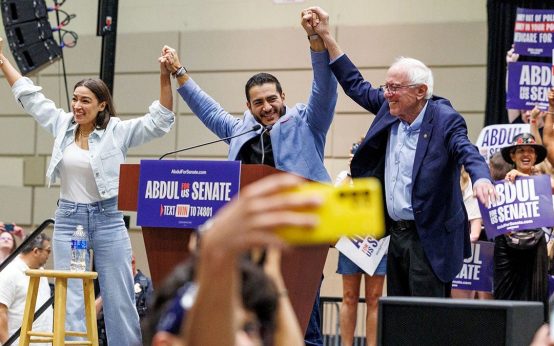 The Political Challenges Faced by Democratic Senate Candidate Abdul el-Sayed
 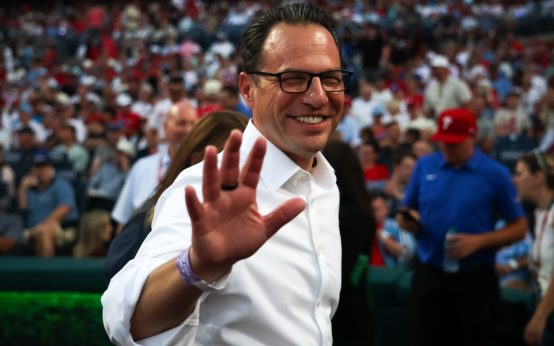 Democrats Flip Long-Held Republican Seat in Pennsylvania Special Election
 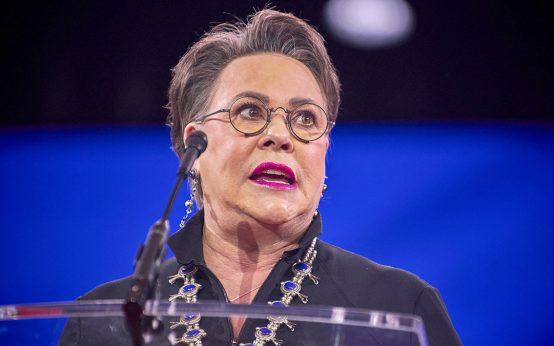 2026 Midterm Elections: Key Races Highlighted
  Candidates Move Forward from Alaska’s Unique Primary Landscape
  Florida Primary Results: Trump-Backed Candidate Falls Short
  Justice Department Challenges State Tuition Benefits