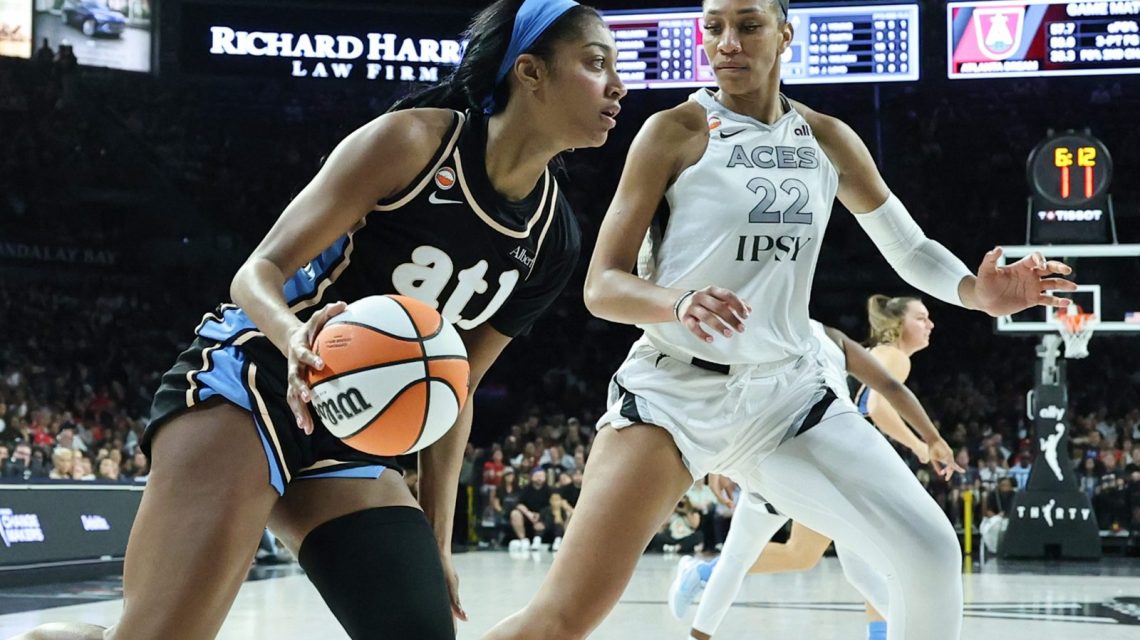
As a primary care sports medicine doctor for the New York Liberty basketball team, and a former Division I athlete, I have encountered numerous sports injuries over the years. Injuries are a natural part of any athlete’s journey, along with prevention, treatment, and recovery. Despite the growing popularity of women’s sports, sports medicine still lacks comprehensive research dedicated to treating female athletes effectively.
Investment in Women’s Sports Science
Women’s involvement in medical research has historically been limited. Until Congress mandated inclusion in the 1990s, women were rarely considered in medical trials. In fact, the Food and Drug Administration once recommended excluding women of childbearing potential for safety reasons. Male bodies were seen as the standard, and results from all-male trials were often generalized to women. However, women have distinct anatomies and physiologies, which leads to different responses to physical activity, especially as they age.
Differences in Injury Rates
A common injury like a torn anterior cruciate ligament (ACL) affects women at much higher rates than men. Women are over three times as likely to tear their ACL in basketball, often through movements like landing and pivoting rather than direct contact. This discrepancy is partly due to anatomical differences. Women’s wider pelvis and hips alter biomechanical loading on the knee, increasing injury risk without specific prevention programs. Hormones also play a role in ligament integrity and laxity, contributing to higher injury rates.
Impact of Hormonal Changes
Women experience hormonal and bodily changes affecting movement throughout their lives. Pregnancy and menopause bring significant changes that require intentional, individualized approaches for recovery and longevity. Women face musculoskeletal changes due to hormone-related shifts as they age. Estrogen levels decrease, leading to reduced muscle mass and bone mineral density. This increases the risk of osteoporosis and musculoskeletal injuries.
Research and Funding Needs
The current level of sports research on women is insufficient, with only 6 percent focused on them. The research primarily involves younger female athletes, leaving a gap as women compete and work out at high intensity levels later in life. Doctors require evidence specific to women’s anatomy and physiology to offer effective care. Increased research efforts and funding are crucial to keep female athletes healthy.
Gaining Momentum in Women’s Sports
Women’s sports have gained popularity, and media coverage reached a record 15 percent in 2024. Influential athletes like Caitlin Clark and Angel Reese continue to push for recognition and highlight the need for women’s sports research. Increased public interest provides a unique opportunity to advance sports medicine research.
Potential Benefits
Targeted research can aid not only elite female athletes but also all women engaged in physical activity, providing doctors with the necessary tools to maintain health and activity throughout life. As the presence of women in sports grows, there is a pressing need for sports medicine to align with their evolving needs.
The views expressed in this article are the writer’s own.
 Indiana Fever’s Struggles Against Washington Mystics
  New York Jets Fall to Green Bay Packers After Fourth-Quarter Collapse
  Washington Commanders’ Jayden Daniels Faces Potentially Season-Defining Elbow Injury
  Patriots Secure Win Against Steelers Amid Quarterback Questions
  Atlanta Falcons’ Quarterback Struggles Continue
  Caleb Williams Suffers Injury During Game Against Vikings