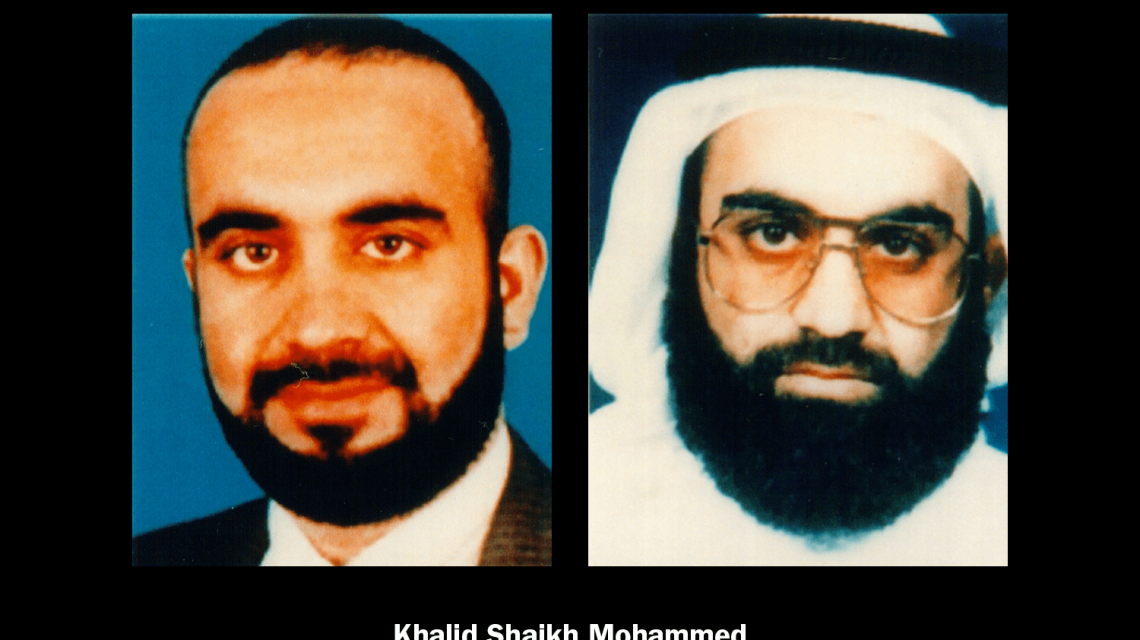
Newsweek chronicles the events leading up to 9/11, marking the 25th anniversary day by day. Previously, Zacarias Moussaoui raised suspicions as a potential ‘airline suicide attacker,’ yet the intelligence community missed the broader connections.
August 19, 2001: Discussions and Coded Language
Mohammed Atta in the U.S. and Ramzi bin al-Shibh in Berlin deliberated over potential targets on August 19. According to Ramzi, during his interrogations at Guantanamo, and documentations in Donald Rumsfeld’s memoir, Known and Unknown, the conversation used a coded language to disguise their intentions. ‘Architecture’ referred to the World Trade Center, ‘arts’ to the Pentagon, ‘law’ to the U.S. Capitol, and ‘politics’ to the White House.
The Original Targets
In 1999, al-Qaeda assigned the Hamburg four to conduct the planes operation. Osama bin Laden and al-Qaeda central initially aimed to target a political, military, and financial symbol: the White House, Pentagon, and World Trade Center, respectively. Bin Laden stressed the importance of hitting the U.S. Capitol due to its symbolic support of Israel. Khalid Sheikh Mohammed confirmed that Atta had the final say based on logistical feasibility. With four pilots, al-Qaeda’s plan could strike all targets simultaneously.
Atta and Marwan al-Shehhi researched these targets, visiting the World Trade Center and touring Washington, D.C., including the Pentagon. Atta found the White House the most challenging target due to its size and location between larger structures, making it far less accessible than the other intended targets.
The Final Decision
According to Khalid Sheikh Mohammed and FBI assessments, Atta and al-Shehhi opted to target both World Trade Center towers simultaneously, with strikes planned for Washington targets shortly after. Hani Hanjour would depart from Dulles International to attack the Pentagon, and Ziad Jarrah would leave from Newark to strike the Capitol dome.
Though unclear whether Atta fully revealed his plans to al-Qaeda leadership, Ramzi pressured him in August discussions to retain the White House as a target. Atta conceded it as a potential aim, but remained wary of its feasibility.
The Impact of Target Choices
The strategic decision to hit both Trade Center towers contributed significantly to their collapse. Intense heat and debris dispersal led to the towers’ destruction. Engineers suggest that had only one tower been hit, it might have withstood the damage. Nearby 7 World Trade Center, unstruck directly, also fell due to the cascading impact.
If Atta and al-Shehhi adhered to the initial al-Qaeda strategy, the Trade Center might have survived, and the White House could have been hit. This would have meant unprecedented destruction for an American symbol. Consequences could have included the deaths of key leaders like Vice President Dick Cheney and the displacement of President George W. Bush, potentially altering the current global landscape.
 Life in Gaza: One Year After the Ceasefire
  Coordinated Global Protests Against Israel
  Student Protests in France Expose Deep Political and Economic Challenges
  Pope Leo XIV Condemns Death Penalty in Light of Pentagon’s Execution Plans
  Hurricane Simon Surges Toward Mexico as Category 4 Storm
  Ancient Anglo-Saxon Coin Discovered in Scotland