
Aging starts earlier than you might expect. While most people associate aging with visible signs like gray hair and wrinkles, more subtle changes may begin well before these become apparent. Research indicates that internal shifts can start as early as age 30.
According to a 2017 West Health Institute/NORC survey on Aging in America, Americans as young as 30 worry about memory, financial, and health issues, along with losing their independence. Experts agree that some of these concerns might be linked to real, gradual changes that often go unnoticed until later in life.
Subtle Changes to the Face
One significant shift involves collagen, a crucial protein for maintaining firm and elastic skin. As collagen production decreases, skin structure weakens, leading to sagging, fine lines, and a thinner appearance. Research has shown that this drop in collagen is a primary factor in the loss of skin’s bounce and firmness.
Some studies suggest that collagen supplements, particularly those made from fish or broken down into peptides, may enhance collagen production, improving skin hydration, texture, and reducing visible aging.
After age 30, fat in areas like the cheeks and forehead may begin to shift downward, impacting facial contours. As Dr. James J. Chao, chief medical officer at VedaNu Wellness, notes, “You may notice the development of ‘jowls’ over time, or that your eyes appear hollow in old photos. These changes are part of natural aging.”
Dairy Suddenly Becomes Harder to Digest
Digestion, especially of dairy, is another area of change. Gastroenterologist Dr. Niket Sonpal explains that lactose intolerance often arises in one’s 30s due to reduced lactase enzyme levels.
He states, “Milk and some cheeses can become difficult to consume post-30s, not due to economics but due to lactase deficiency.” Awareness of these symptoms can help in dietary adjustments, such as using dairy-free alternatives.
Fat May Be Stored Differently in the Body
The body’s fat-handling mechanisms also shift during this decade. Nonalcoholic fatty liver disease (NAFLD) affects nearly one in five U.S. adolescents and young adults, increasing sharply with age.
Dr. Sonpal points out that fat storage begins to target the liver, leading to conditions like metabolic associated steatotic liver disease. “Our bodies run out of places to store fat, causing liver storage, inflammation, which can lead to cirrhosis or cancer,” he states, highlighting diet and exercise as vital interventions.
The Institute of Medicine recommends fiber intake of 19 to 38 grams daily, yet only 5% of people meet these targets, posing a broader public health issue.
Muscle Mass Declines—Even if Your Weight Doesn’t
Physical changes in your 30s may not always appear on the scale. Lean muscle mass and strength naturally decline after age 30 without regular activity.
Dr. Scott Cherry of Axiom Medical notes, “Without regular exercise, lean muscle can decrease by 3–8% per decade.” Even with stable body weight, underlying composition may alter, leading to reduced strength and longer recovery post-exercise.
Cardiovascular Efficiency Gradually Shifts
Finally, the body’s cardiovascular system undergoes gradual changes. Dr. Cherry remarks that while the body remains adaptable, age-related changes in cardiac and vascular function occur.
This results in decreased maximal aerobic capacity, making high-intensity exertion tougher. Day-to-day activities may require more effort to maintain previous fitness levels.
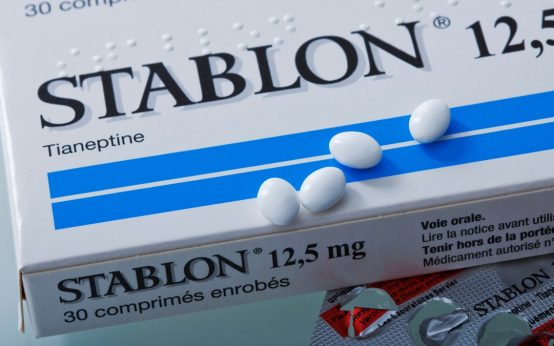 States Tighten Regulations on Tianeptine, Known as ‘Gas Station Heroin’
  Medicare Lab Test Payments: Upcoming Changes and Their Implications
  Gen Z Faces Economic Barriers to Dating and Intimacy
  Understanding and Preventing Suicide: A Public Health Priority
  Presley Gerber’s Death Highlights Concerns in Addiction Treatment Approaches
  MAHA Activists Challenge Trump and RFK Jr. on mRNA Vaccines