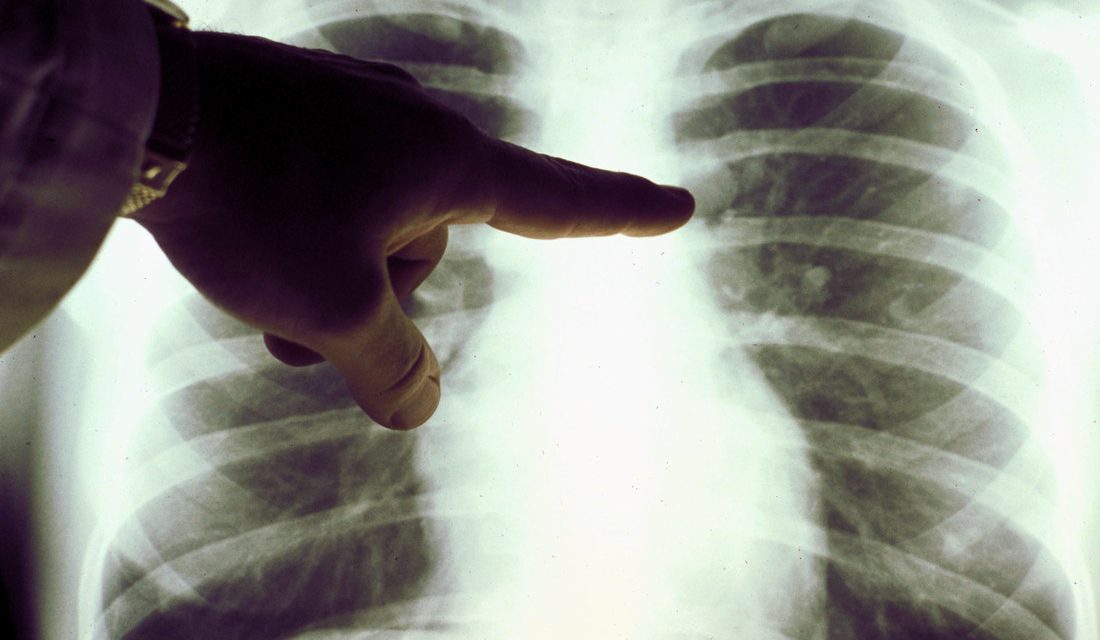
One of the earliest mentions of cancer is found in an ancient Egyptian text from around 3000 B.C. Today, we understand that cancer begins as a series of mutations in DNA. Despite this knowledge, curing cancer remains a significant challenge.
Historical Treatments for Cancer
Throughout history, various methods have been employed to treat cancer, including the use of pastes, salts, teas, and cauterization. A major development occurred in the 1700s when British surgeon Percivall Pott linked cancer to environmental causes. He observed that chimney sweeps developed a specific cancer due to soot exposure. This insight led to the establishment of a minimum age for chimney sweeps to help prevent cancer. However, this did not provide a treatment or cure for those already affected.
“Cancer was a death sentence. People would not be given a long time to live,” says Mariana Stern, a cancer epidemiologist at the University of Southern California.
Initially, surgery was the primary treatment for cancer. However, as it became clear that any cancer cells left in the body could regrow, additional treatments were sought. Around the 19th century, radiation therapy emerged. Swedish physicians successfully treated skin cancer with x-rays. Radiation, while beneficial, also posed risks, sometimes causing cancer in those administering it. Today, it remains in use but is applied more precisely.
Advancements in Cancer Treatment
In the mid-1900s, chemotherapy offered a new way to target cancer cells beyond the reach of surgery and radiation. These drugs focused on dividing cells, a primary characteristic of cancer cells.
Current cancer survival rates have significantly increased compared to a few decades ago. There are over 100 types of cancer, making uniform treatment difficult.
The Complexity of Cancer Treatment
“Each cancer type has its own unique characteristics,” explains Stern. Due to this diversity, researchers aim to improve prevention and treatment for each type, focusing on understanding cancer development.
Most cancers result from random genetic mutations, although 5-10% can be hereditary. Several factors increase mutation rates, such as exposure to carcinogens like tobacco, high processed-meat diets, sun exposure, and viruses. A significant unavoidable factor is age. “As we age, our cells deteriorate and accumulate more mutations,” Stern notes, emphasizing the importance of managing modifiable cancer risks.
Modern Cancer Treatment Challenges
Survivorship has improved as personalized treatments become more prevalent. For example, breast cancer treatment varies based on tumor characteristics.
Research often neglects certain populations, such as Hispanic, American Indian, and African-American communities, resulting in disparities. Many cancer drugs target European backgrounds but may not be optimal for everyone. “This introduces a disparity,” Stern states.
Notably, new treatments like immunotherapy use the body’s immune system to combat cancer cells. Despite these advances, Stern believes the real innovation needed is ensuring all patients access the best available treatments, as disparities in access persist.
 Understanding Addiction Risks After Presley Gerber’s Death
  Managing Distress: Insights and Techniques
  Best Practices for Safe Consumption of Fresh Produce
  The Complexity and Prevention of Suicide
  A Journey Through Cancer: Reflections on Diagnosis and Metaphor
  Impact of Sleep Types on Disease Risk