
As a young girl, Elizabeth Connolly explored her father’s drawer filled with toy soldiers, unaware of the historical secrets it held. Amidst those soldiers were photographs that intrigued her, depicting people who didn’t resemble her relatives. These photos were tied to a little-known story from World War II.
Her father, Sgt. Carrol Walsh, served in the U.S. Army during the war and had unknowingly documented a significant event. In April 1945, during the closing weeks of World War II, American soldiers discovered a halted train near Magdeburg, Germany. It carried 2,500 Jewish prisoners from Bergen-Belsen, intended for another concentration camp. Walsh’s photos provided a rare glimpse into this moment of liberation.
Historian and teacher Matt Rozell became interested in this story when interviewing Walsh in 2001. Walsh described the moment he and his battalion encountered the train full of Holocaust victims. Inspired by these stories, Rozell embarked on a project to collect veterans’ oral histories, uncovering a chapter of history largely unknown.
Rozell’s efforts led to the publication of his book, “A Train Near Magdeburg,” and the organization of reunions between liberators and survivors. One notable survivor, Peter Lantos, shared that he was just five years old when placed on the train with his mother. He lost several family members but remembers the joyful shouts of “Americans! Americans!” when U.S. soldiers arrived to assist.
James Bulgin, head of public history at the Imperial War Museum in London, explained the desperate conditions the prisoners faced. He curated a Holocaust gallery featuring the train’s story to educate the public about this lesser-known episode.
Filmmaker Mike Edwards spent over a decade creating a documentary, “A Train Near Magdeburg.” His work unearthed powerful images, including one of a man holding a picture of himself before the Holocaust, shedding new light on personal and historical narratives.
Rozell argues that the story teaches crucial lessons about humanity and education. The spontaneous decision by American soldiers to provide aid underscores our shared responsibility to recognize and respond to the needs of others. Rozell emphasizes the significance of understanding and remembering history to prevent the repetition of tragedies.
For further insights, readers can explore Rozell’s book and the upcoming documentary which seek to preserve and share these poignant stories of survival and compassion.
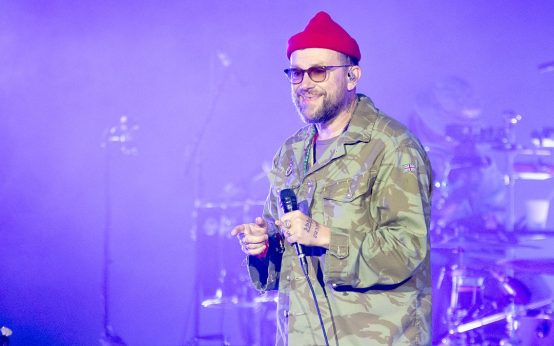 Gorillaz and Macklemore Respond to Controversy Over Israel-Palestine Statements
 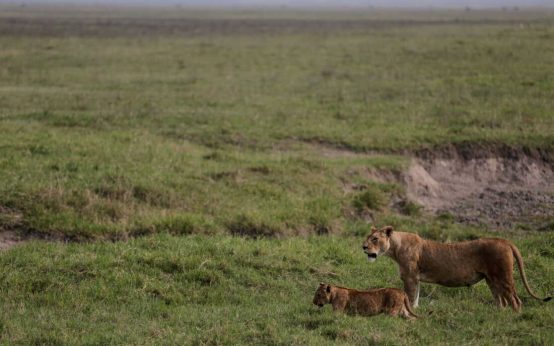 Investigation into Lion Deaths in Tanzania
 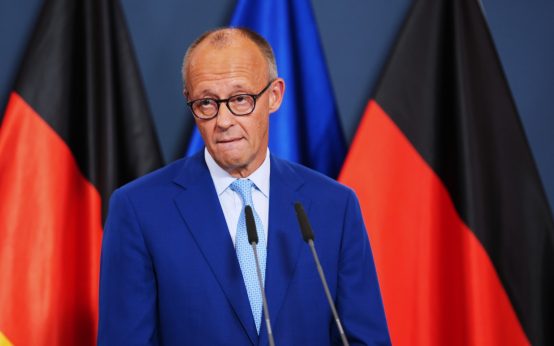 Merz Stays Resolute Amid Electoral Shifts in Germany
 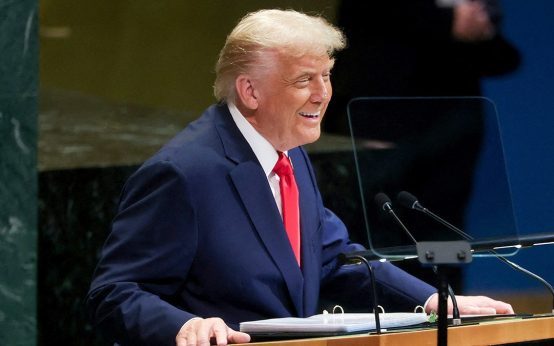 U.S.-Iran Relations and Diplomacy at Upcoming U.N. Assembly
 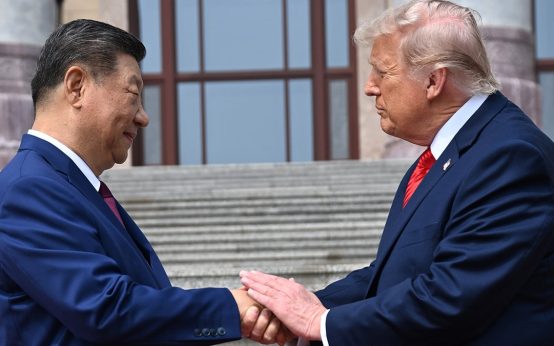 US-China Relations Under Scrutiny: Expert Warns of Escalating Tensions
 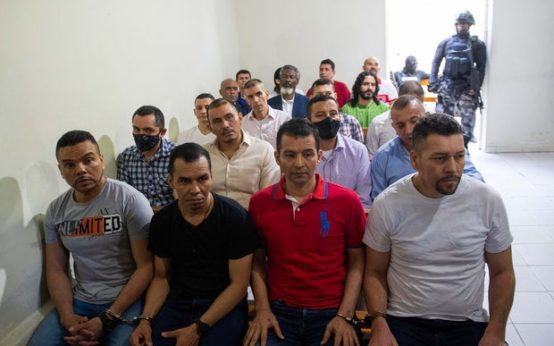 Extradition of Suspects in Haitian President’s Assassination