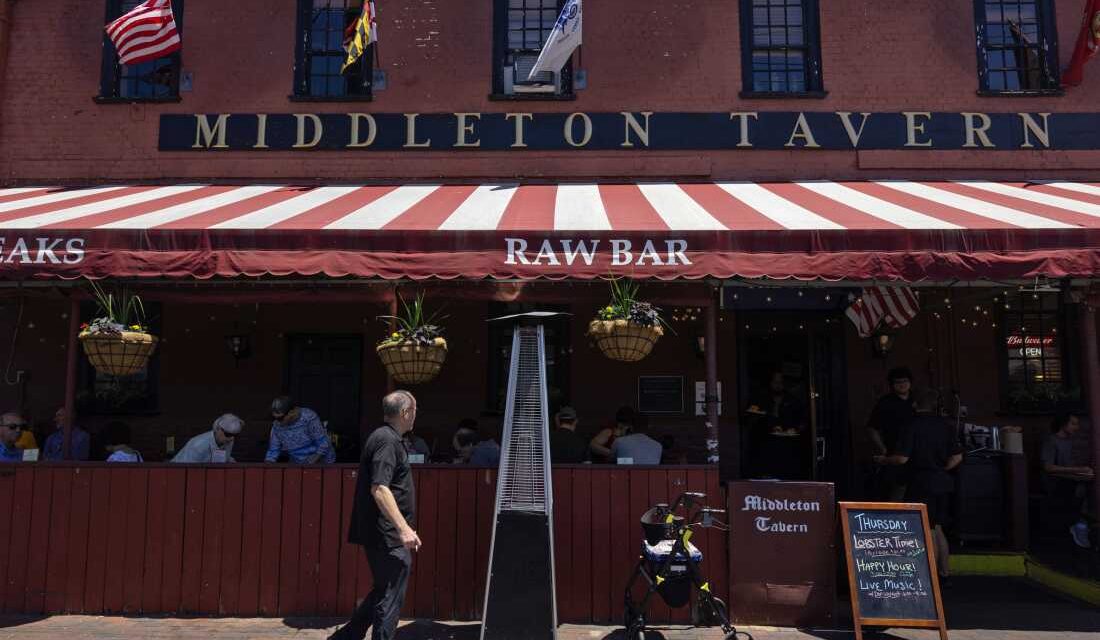
Established in 1750, Middleton Tavern in Annapolis, Maryland, stands as one of the oldest continuously operating taverns in the United States. Its long history offers a glimpse into culinary practices spanning more than two centuries. Arthur Gross, the chef at Middleton Tavern for 50 years, often reflects on how the tavern’s early days were shaped by the dining habits of the era.
In the year 1776, seafood such as rockfish and crab were staples in the diet of Maryland’s early colonists. Today, Gross orders significant quantities of these ingredients, including 100 pounds of rockfish and six pounds of crab claw meat, which continue to be featured in the tavern’s menu.
Historical reenactments in Annapolis contribute to the city’s rich historical perspective. The reenactors often lead tourists through the streets dressed in colonial attire, offering a glimpse into what life might have been like in 1776. According to Dana Connett, community programs coordinator at Historic Annapolis, food was a significant indicator of wealth during the colonial period.
Close to Middleton Tavern stands the William Paca House & Garden, home to one of Maryland’s signers of the Declaration of Independence. The Paca family resided there from approximately 1765 to 1780. The Founding Fathers, including the likes of Paca, heavily relied on European recipes, aspiring to emulate European grandeur.
At the Paca House, cuisine was a display of the wealth and sophistication desired by the gentry class. Meals included dishes such as turkey soup, fried shad, collards, and oysters. Beef was a status symbol, while chicken was reserved for special occasions.
Historian Joyce White curated food displays at the Paca House showcasing foods that were delicacies at the time. White points out that food portions were more modest compared to today. The abundant seafood of the colonial era was integral to the diet, with terrapin being a notable choice from the Chesapeake Bay.
Figures like Thomas Jefferson and George Washington played a pivotal role in shaping the food culture of 250 years ago. Jefferson, a Francophile, was fond of macaroni and cheese, while Washington hosted elaborate roasts yet shunned ostentatious luxury.
Jefferson’s flair for hosting was exemplified during a critical 1790 dinner known as “The Dinner Table Bargain,” which helped resolve significant political disputes. Creative food sculptures were popular among the wealthy, with dishes like gelatin molded into whimsical shapes.
The behind-the-scenes reality of colonial kitchens was starkly different. The Pacas and Founding Fathers depended on enslaved individuals to prepare their meals. Enslaved chefs like James Hemings and Hercules Posey were at the culinary forefront, although their contributions are often overlooked.
Enslaved cooks prepared dishes such as stewed kidneys and black-eyed peas, supplementing their rations by foraging and fishing. Their culinary influence laid foundational aspects of what is recognized today as American cooking.
On Annapolis’ Pinkney Street, the Hogshead Trades Museum offers a depiction of typical working-class living in the 18th century. Foods consumed by these classes often mirrored those of the affluent but without processed luxuries.
Middleton’s Tavern, located near Annapolis’ docks, served as a hub for merchants and sailors. Advertisements from 1752 indicate the sale of imported food items such as lemons and oranges.
Taverns of the time offered varying degrees of fare, from sumptuous meals to simple, humble food. Alcohol consumption was notably high, as pure drinking water was scarce.
Today, American cuisine is notably more international in scope. While once predominantly European-based, the modern American palate encompasses global flavors. Chef Gross continues to manage Middleton Tavern’s operations, bridging culinary traditions from the past with today’s tastes.
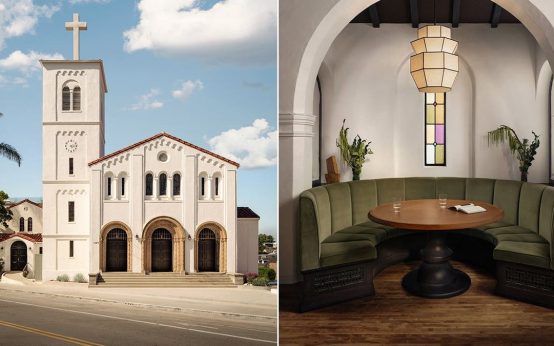 Historic Church Transformed Into Los Angeles Boutique Hotel
  Lymphatic Drainage and Ice Sculpting: Emerging Wellness Trends
 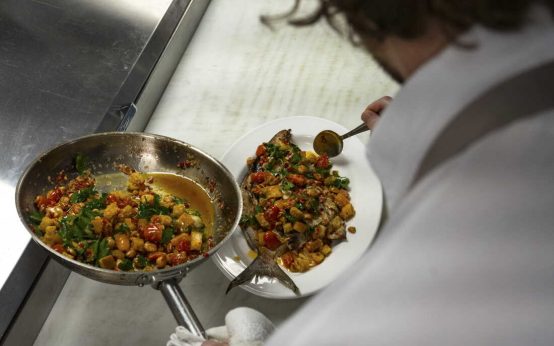 Chef Brian Landry and the Rhythms of Bayou Bar
 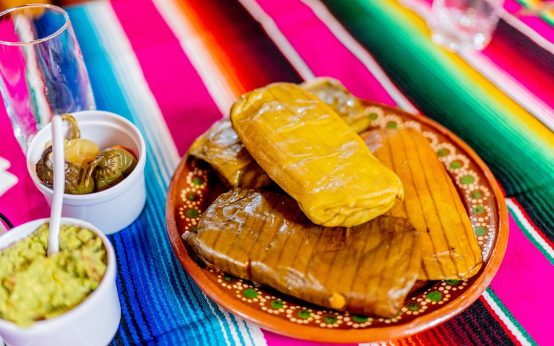 Tamale’s Decreasing Presence in Mexican Restaurants
  The Rising Trend of GLP-1 Medications Among College Students
  Wendy’s Reintroduces Yellow Packaging as Nostalgic Comeback