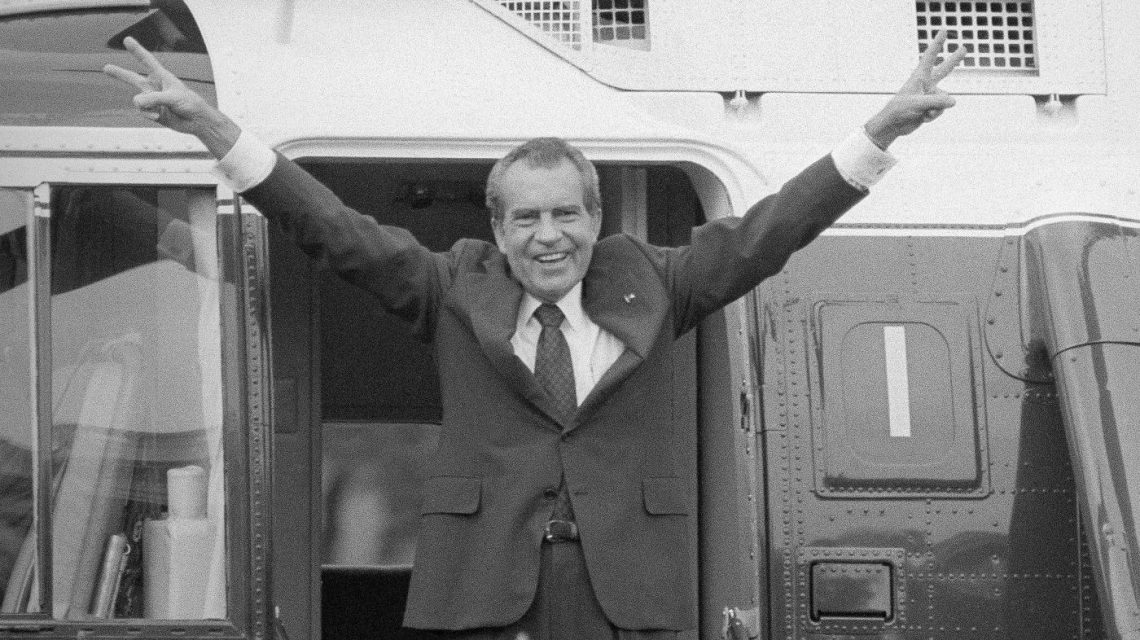
On August 9, 1974, Richard Nixon bid farewell with a salute outside the White House as he boarded a helicopter after resigning the presidency. Today, the political landscape has shifted markedly since the Trump era began. Campaigning, communication, and political vetting have undergone significant changes in alignment with evolving ideological norms. These changes will likely influence upcoming elections, including the midterms and the 2028 presidential election.
Vice President JD Vance proposes an approach rooted in historical political strategies. He suggests embracing ‘old school’ methods to secure modern victories. According to an article in The Wall Street Journal, young conservatives increasingly view Nixon as an iconic figure. Some dismiss this interest as a temporary trend, while others believe it is genuine and growing. Observing my Gen Z relatives, it seems that figures such as Nixon and Patrick Buchanan, Nixon’s speechwriter, are gaining attention. History often shows that past ideas can become relevant again.
Many young Americans have grown disillusioned with the Democratic and Republican parties. They fear the ‘American dream’ is out of their reach and worry about being overlooked by their nation. To find solutions, some have turned to history, examining past presidents and policies. The Wall Street Journal reports that many young conservatives focus on Nixon’s era, appreciating what they find there.
Recently, Vice President Vance visited the Richard Nixon Presidential Library to discuss issues affecting America’s future and his new book, ‘Communion: Finding My Way Back to Faith.’ During this event, some media outlets claimed Vance made controversial statements regarding Nixon and Watergate. However, interpretations of controversy can vary. Following his remarks, The New York Times headlined an article with ‘Vance Downplays Watergate and Compares Himself to Nixon,’ highlighting Vance’s perspective that Watergate would only be a brief news story today and suggesting a ‘deep state’ conspiracy against Nixon.
The possibility of a ‘deep state’ conspiracy is gaining traction. A New York Times op-ed in February detailed previously undiscovered sealed Watergate files, and conservative commentator Glenn Beck discussed the origins of the ‘deep state’ on his podcast. Nixon, like Trump, remains a divisive figure, often inciting strong reactions. Yet, turning negative attention into positive outcomes appears to be a strategy Vance employs effectively.
It is crucial to acknowledge that Gen Z’s political views are diverse and fluid. While some young individuals show interest in socialism and communism, others, particularly young men, gravitate toward conservative values, preferring independent thought over strict adherence to any political party or ideology.
Nixon was undoubtedly flawed, as we all are, but he also had substantial achievements as a president, connecting with working-class individuals and garnering significant support. JD Vance shares some positive traits with Nixon. Both served as senators and assumed the vice presidency at similar ages, identifying as ‘men of the people.’ As figures like Rep. Alexandria Ocasio-Cortez and other left-leaning politicians advocate for socialism, young people seeking stability might look to Nixon and recognize his strengths and connections reflected in Vance.
Embracing ‘old school’ approaches may assist Republicans in maintaining influence in the White House.
 Tensions Rise Between Democratic Moderates and Progressives
  Republican Candidates Compete for South Carolina Senate Seat
  Conservative Activists Aim to Shape Judicial Perspectives on Birthright Citizenship
 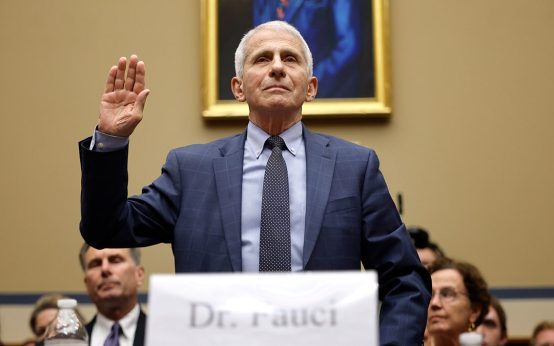 Understanding Contempt of Congress: Recent Case Involving Dr. Fauci
  Legal Experts Predict Trump’s Success in White House Ballroom Case
  Senate Passes Stopgap Funding Bill, Affecting Key Policies