David Henrie, known for his role in Wizards of Waverly Place, recently expressed concerns regarding the entertainment industry. He highlights how the current focus on messaging sometimes blurs into propaganda. Henrie argues that effective storytelling should remain the priority, uniting rather than dividing audiences.
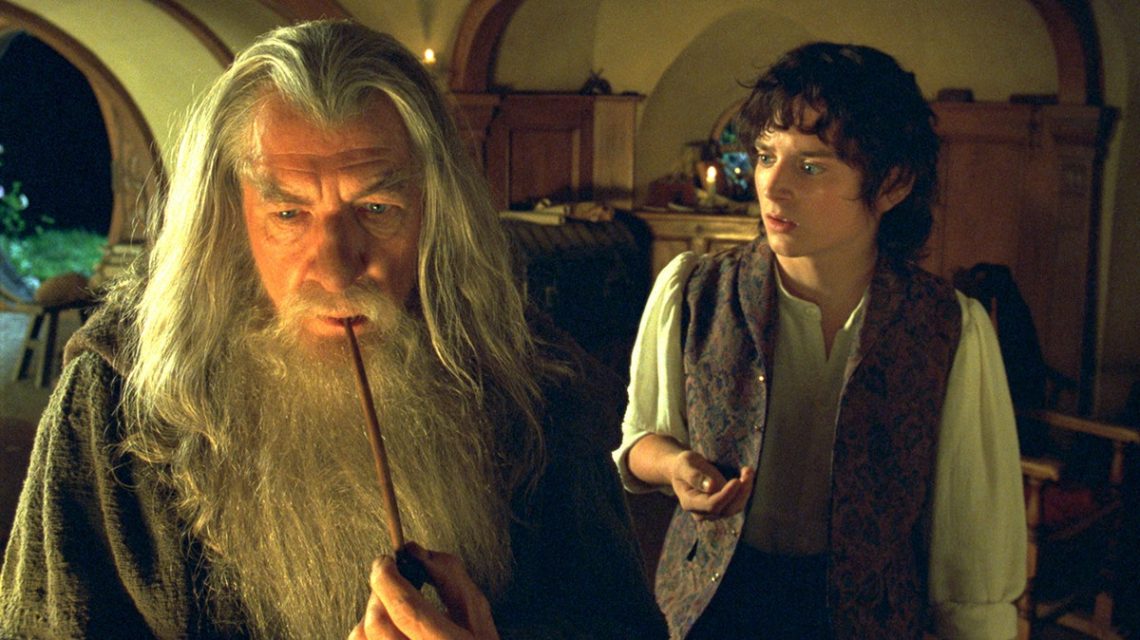
Stories about dragons and heroic quests have captivated people for generations. These tales resonate because they fulfill a deep yearning for wonder, courage, and love. Authors like Tolkien and Lewis created worlds where danger and wonder coexist, emphasizing that courage holds value when it involves sacrifice. Their works endure because they clearly differentiate between good and evil.
The fantasy genre remains popular, with billions spent annually on related media. However, some argue that the essence that made fantasy appealing is being overshadowed. The industry, some say, has begun to equate maturity with explicit content, prioritizing shocking elements to attract attention without considering the impact on audiences.
Recent best-sellers like A Court of Thorns and Roses and Fourth Wing demonstrate this trend. Marketed as young adult fiction, these books contain graphic content, reflecting a shift in young adult publishing. A notable example is Game of Thrones, which portrays numerous instances of sexual violence, criticized for lacking narrative purpose.
The focus shifts the genre away from what it does best: creating imaginative worlds with heroes and adventures that inspire. The issue isn’t the existence of evil but how creators choose to depict or challenge it. Stories like The Lord of the Rings and Chronicles of Narnia incorporate dark themes but emphasize consequences, courage, and goodness, leaving lasting positive impressions on young readers.
Fans crave stories with danger, adventure, and hope, but they question whether this should include exposure to explicit or negative themes. The answer isn’t necessarily faith-based entertainment. Both conservative and mainstream creators face the challenge of meeting audience expectations for quality and engagement. Even stories with traditional values need compelling characters and plots to succeed.
Tolkien and Lewis didn’t rely on their narratives as veiled sermons. Their focus was on storytelling excellence. Adopting this standard could lead to a new age of fantasy, created by authors and filmmakers willing to prioritize quality.
As readers seek experiences that blend wonder with wholesome narratives, there remains an opportunity to revisit the roots of fantasy. Through dedication to crafting engaging and meaningful stories, creators can revive the core of the genre.
Daniel Maritz, author of Lightborn: Dawn of Darkness, illustrates how traditional fantasy elements can be reimagined, reinforcing the enduring appeal of the genre without compromising on content quality.
 Ashley Dupré Reflects on Past Controversies
  Ed Sheeran Addresses Fans Amid Controversy Over Macklemore Exit
  Kate Middleton’s Influence on the Monarchy and Her Relationship with Prince William
  Riot Fest 2026: Highlights from Douglass Park
  Unexpected Twists in the Third Season of ‘Lioness’
  Intense Conflict Between NASCAR Drivers Stirs Social Media