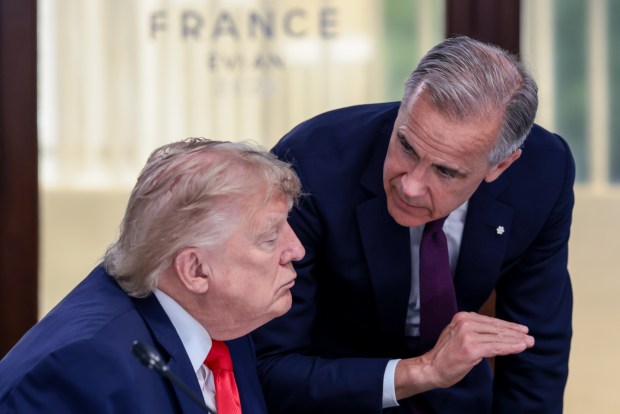
U.S. officials face a new challenge with a trade conflict brewing with Canada. This development threatens a historically close relationship. President Donald Trump has shifted America’s northern neighbor into an adversary. In July, Trump threatened a 50% tariff on $20 billion worth of Canadian exports. This action sent U.S. and Canadian officials back to negotiations to avoid further disputes.
The Trump administration sought to address perceived trade imbalances. Their demands included increased acceptance of U.S. dairy products by Canada, returning U.S. alcohol to Canadian shelves, and removing Canadian tariffs on U.S. goods. In response, Canada wanted the suspension of threatened tariffs and lower import duties on Canadian raw materials. Although a deal was possible, negotiations ultimately failed.
U.S. officials accused Canada of introducing sudden demands. Canadian Prime Minister Mark Carney blamed the U.S. for attempts to limit Canadian sovereignty in trade agreements. Carney found U.S. demands unacceptable and instructed his team to leave the talks. He declared Canada in a state of trade war with the U.S. If unresolved, Canada’s retaliatory tariffs will start on Sept. 8.
This trade conflict affects the intertwined U.S. and Canadian economies. U.S. farmers depending on Canadian fertilizer face increased costs. This situation might lead to U.S. government bailouts for farmers. Canada’s economy, which is significantly smaller, could experience serious impacts. The auto industry might face disruptions, potentially leading to 90,000 job losses.
Despite these risks, Carney and many Canadians reject bowing to Trump’s demands. Trump’s unpopularity in Canada makes concessions unappealing for Canadian politicians. Carney’s strong stance bolsters his political image. Even his political opponents support his decision to end negotiations.
This situation offers a lesson to U.S. officials about foreign policy. While coercion can achieve strategic goals, excessive pressure eventually breeds resistance. Nations dislike being economically pressured or treated submissively. This is a lesson Trump has yet to learn. In foreign policy, he tends to rely on pressure tactics. His strategy assumes targets will surrender after intense pressure.
Trump applied this approach in various situations: threats against European countries over Greenland, military and economic pressure on Iran, and tariffs on Brazil regarding Jair Bolsonaro’s legal case.
Yet, these efforts largely failed to achieve Trump’s goals. European countries opposed U.S. claims on Greenland. Iran remains firm on its control of the Strait of Hormuz, demanding more U.S. concessions. Brazil proceeded with Bolsonaro’s prosecution and deepened ties with China in response to U.S. tariffs.
Like Europe, Iran, and Brazil, Canada refuses to cave in. The U.S. remains a dominant global force, but its power has limits. Understanding those limits is vital in international relations.
Daniel DePetris is a fellow at Defense Priorities and a foreign affairs columnist for the Tribune.
Submit a letter of up to 400 words to the editor at [email protected].
 Media Outlets Sue After White House Ban
  American Public Opinion on Press Freedom
  Media Lawsuit Against Trump Administration for White House Ban
  The Cost of Challenging Beijing
  Analyzing Midterm Elections and Party Dynamics
 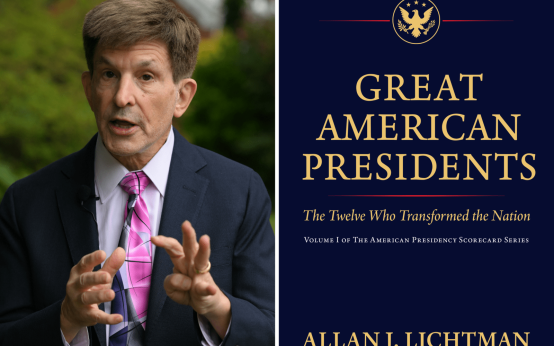 Allan Lichtman’s Framework for Assessing Presidential Greatness