Republican Runoff Silence
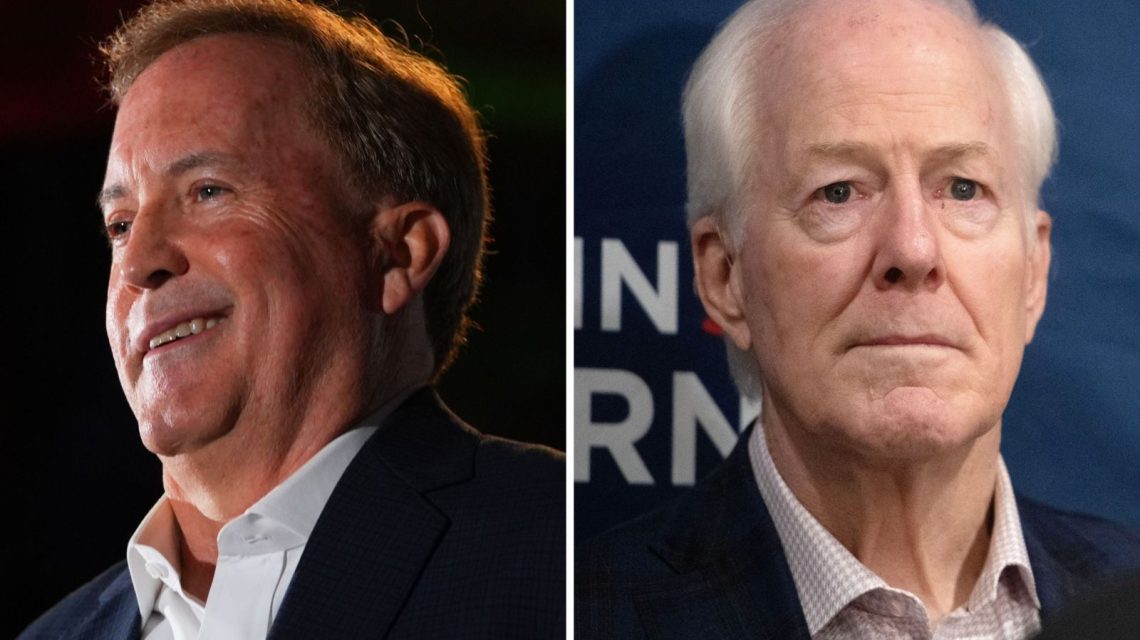
After intense campaigning and significant advertising costs, Texas Attorney General Ken Paxton and Senator John Cornyn entered a quiet period in the Republican primary runoff for the U.S. Senate. Both candidates halted public appearances and new communications in anticipation of the election that would decide the GOP nomination. Meanwhile, Democratic state representative James Talarico also awaited the outcome, poised to challenge the winner in a race crucial for Senate control.
Historically, Texas has not seen a Democratic U.S. Senator since 1993. Robert Krueger, appointed after Senator Lloyd Bentsen joined President Clinton’s cabinet, lost his seat in a special election that year. Despite the long odds, Paxton’s nomination boost from President Trump’s endorsement on May 19 lent an air of unpredictability to the race, reviving Democratic hopes of flipping the seat.
Potential Shift Toward Democrats
Mike Madrid, a Republican strategist, noted a shift that could benefit Democrats in Texas. According to Madrid, a blend of factors presents Talarico a rare chance to win statewide, something the Democrats haven’t achieved since 1994. The advantage Madrid sees includes a favorable political climate for Democrats, a compelling Democratic candidate with broad appeal, and a Republican opponent with significant controversies.
Talarico, a state representative with a seminary background, may benefit from Paxton’s potential nomination, as Paxton carries political scandals and ethical issues. Trump’s endorsement of Paxton over Cornyn also reflects on Republican challenges. While Paxton remains loyal to Trump, his legal issues may alienate moderate voters. Conversely, Cornyn, despite a conservative record, faced backlash from Trump’s base for moments of perceived disloyalty.
Polling and Strategic Implications
Recent polls highlight Talarico’s strength against Paxton. The Texas Politics Project reported Talarico leading Paxton by 8 points, while other surveys show similar trends. However, these polls have margins of error that leave room for outcome shifts. If Paxton secures the nomination, strategists anticipate a more competitive Senate race.
Jim Kessler from Third Way suggests Talarico’s success hinges on winning a substantial portion of moderate votes. Although challenging, Talarico’s crossover appeal, characterized by his open discussions of faith and independence from national party politics, resonates with the electorate. Keith Edwards, a political influencer, highlighted Talarico’s post-Trump political style, which aims to unify voters rather than divide them.
Demographic Challenges for Republicans
Despite Democratic optimism, Alex Patton, a Republican strategist, advises caution. Historical voting patterns favor Republicans, with a significant structural advantage in the state. Nevertheless, Talarico’s appeal and the current political environment could sway these dynamics. Republican enthusiasm appears dampened by dissatisfaction with Trump and other issues, allowing Talarico to capitalize on this discontent.
Latino and Independent Voter Shifts
The core concern for Republicans is the decline in support among Latino and independent voters, a trend that could fundamentally affect electoral outcomes. Polls indicate Talarico outpaces both Paxton and Cornyn among Latino voters, bolstered by economic concerns and immigration policies.
Madrid points to economic factors and government actions as reasons for the Latino shift away from Republicans. As Paxton emerges as a likely nominee, Texas transforms into an unexpected battleground state for the November election. Yet, despite favorable conditions for Democrats, Texan electoral structures still present formidable challenges.
 Political Strategies for the Upcoming Midterm Elections
  Trump Considers Diesel Export Ban Amid Rising Fuel Prices
  Texas Senate Race: Talarico Takes Lead in Youth Vote
  Criticism Arises Over Michigan Senate Nominee’s Association with Streamer
  Homeland Security Takes Action Against Voter Fraud
  Iowa Senate Election: Turek Leads in Polls Amid Economic Concerns