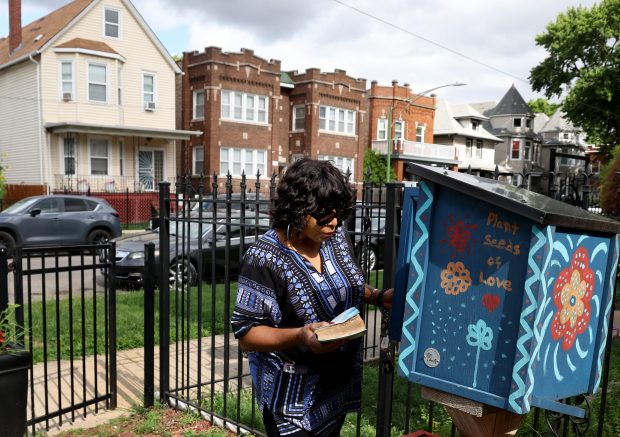
The Austin community in Chicago is often portrayed through a lens of statistics, focusing on crime rates and poverty levels. While these challenges exist, there’s another side to Austin that’s less talked about.
Rev. Dollie Sherman epitomizes the spirit of Austin. For nearly 50 years, she has lived on Chicago’s West Side, nurturing a sense of community, one step at a time. Her efforts began with simple acts like summer cookouts and school supply drives. These efforts evolved into the Vessels Unto Honor block club, an organization that has been devoted to beautification and resident support for over a decade. Sherman emphasized, “The block club has helped turn our block into a community. We’re not just waiting for somebody else to come along; we’re building it ourselves.”
This trend of community-led initiatives is growing across Chicago. Linda Williams arranges books in a free library box in the 600 block of North Lorel Avenue, showing the commitment to change. Recently, over Memorial Day weekend, the Center for Poverty Solutions held its first community job fair. Nearly a dozen employers were present, interviewing residents and providing pathways to employment. This provided significant opportunities, with more than a dozen attendees receiving job offers and 50 securing interviews.
The job fair had a direct impact. It reinforced a crucial message: offering meaningful opportunities encourages personal growth, sustains self-sufficiency, and promotes safer communities. Sherman pointed out, “If we get our youth busy with something, I think it helps us avoid a lot of crime and vandalism.” Meaningful employment is more than earning a paycheck; it offers stability and dignity.
Data supports the importance of employment. More than 97% of Chicagoans with full-time jobs live above the poverty line. Sherman has dedicated years to helping young people find work and move forward from challenging situations. “A lot of these youth are homeless. They’re staying with a friend, sleeping on their couch,” she said. Yet, through her block club, they leave with something to feel proud about.
While a single job fair can’t erase years of hardship, every career opportunity is a step toward increased self-sufficiency. Every young person choosing employment over crime marks progress. Sherman’s approach teaches us that reducing poverty and improving public safety are intrinsically linked. By fostering pathways to work and self-sufficiency, communities restore hope, block by block.
Eddie Kornegay, Ph.D. serves as the executive director of the Center for Poverty Solutions. He urges policymakers, philanthropists, and community leaders to remember that creating opportunities for employment strengthens communities and offers hope.
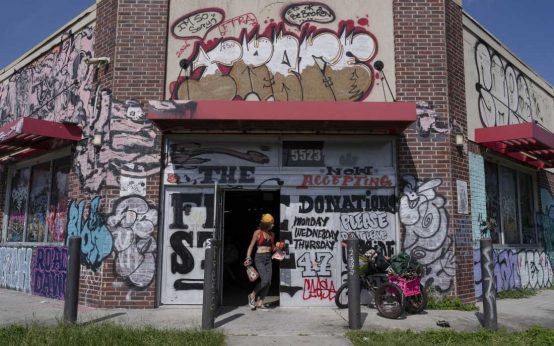 Community Relief Efforts at New Orleans Free Store
 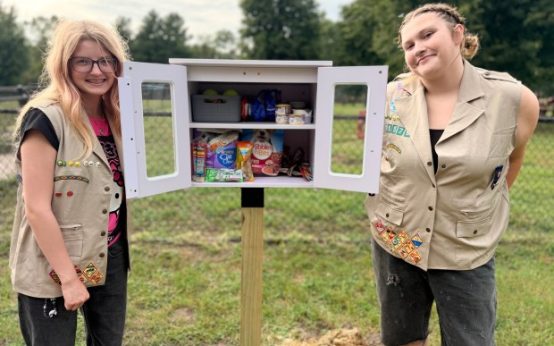 Girl Scout Troop 35579 Project: Pet Pantry for Woodland Park
  Rock the Block: A Celebration of Community in Lake Zurich
  Haley Furst’s Journey from Transgender Atheism to Christian Faith
 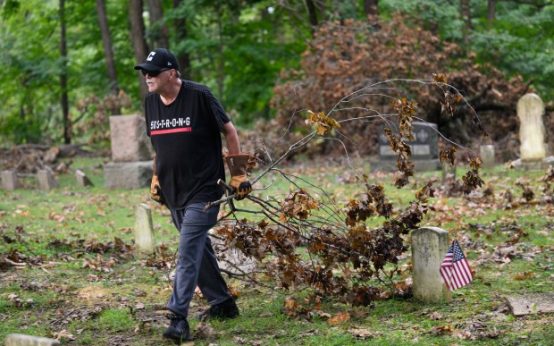 Community Volunteers Tackle Storm Cleanup at Chesterton Cemetery
  High School Program Offers Healthcare Career Insights to Students