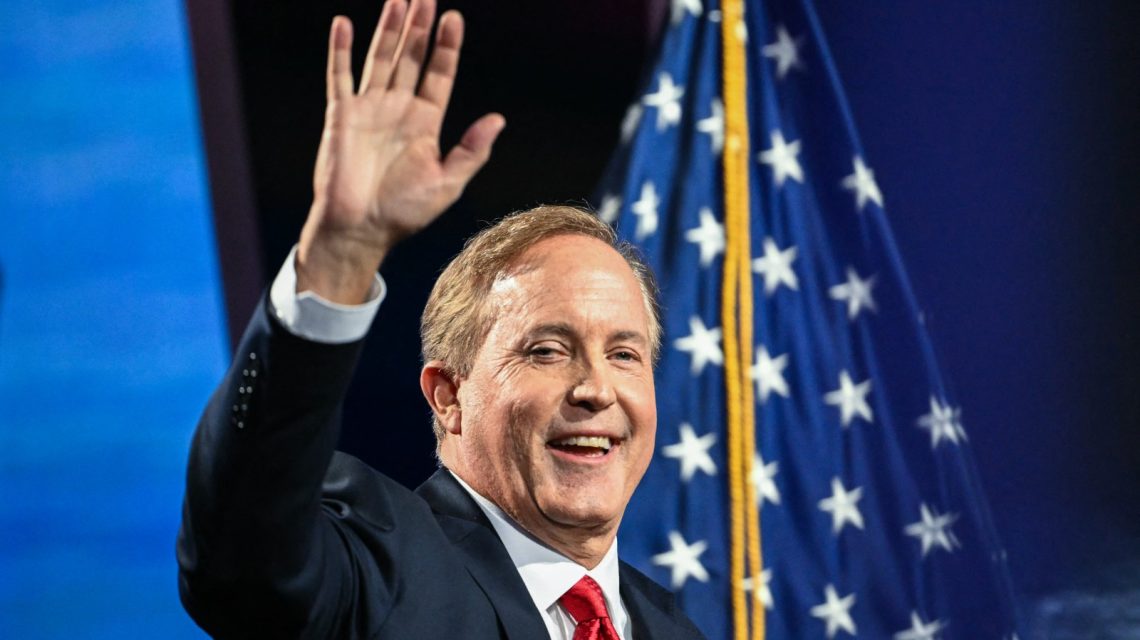
For years, Texas Attorney General Ken Paxton has consistently declined face-offs with his political opponents. As the election for U.S. Senate approaches, this trend continues. Paxton has yet to commit to a single debate with his Democratic contender, James Talarico.
Intensifying polls underscore the narrow gap between Paxton and Talarico, who might even be leading. This alarms Republicans as the Democrats aim for a Senate majority, aiming to break Texas’s tradition of electing Republican senators since 1988.
Paxton, along with other GOP nominees, shuns debates, even as President Donald Trump faces dwindling ratings amid global tensions and economic concerns. Talarico, a state lawmaker from Austin, has repeatedly requested debates with Paxton, notably issuing challenges for televised debates in July, accusing Paxton’s reluctance to engage publicly; he proposed debating on Fox News.
July saw Paxton’s campaign initially agree to a debate but balk at proposed moderators. Speculation lingered over potential debate arrangements but without official confirmation.
Historically, Paxton has avoided debating Democrats in his attorney general campaigns in 2014, 2018, and 2022. But the Senate race marks an unprecedented campaign for him.
Even figures like Trump and other Republicans are calling for debates, stirring speculation about Paxton facing Talarico, a strong Democratic recruit.
Amid Talarico’s pause due to illness, Paxton took advantage by spotlighting his rival’s absence at a San Antonio rally with Trump.
By criticizing Talarico publicly, Trump implored both candidates to debate, calling Talarico’s presence at debates crucial. Talarico promptly accepted, signaling Paxton on social media to join him.
Still, Paxton hasn’t responded publicly despite egging Talarico over his campaign inactivity. Karl Rove, a Republican strategist, warns Paxton’s refusal to debate might cost him the Senate seat.
Potential Debate Impact
Experts like Cal Jillson from Southern Methodist University doubt Paxton’s acceptance of debate proposals, citing a broader Republican trend of avoiding debates even as polling shows narrowing leads. Jillson suggests Paxton’s campaign banks on national funding rather than debates.
Grant Davis Reeher of Syracuse University notes avoiding debates usually harms candidates’ prospects by fostering impressions of defensiveness and lack of transparency.
Costas Panagopoulos of Northeastern University argues Paxton’s avoidance projects an unwillingness to compete on equal grounds, potentially casting doubt on his suitability for the Senate role.
Nonetheless, Reeher considers debating fraught with downsides for Paxton given his historical shortcomings in debates and potential boosts for Talarico if he counters projected extremist portrayals.
According to Jillson, while debates symbolize democratic engagement, voters seldom penalize candidates over debate avoidance. The Texan race hinges on perceptions towards Paxton and his opponent, Talarico.
Poll Analysis
Talarico’s lead fluctuates in recent polls, including a six-point advantage in YouGov’s survey and a tie noted by UMass Lowell/YouGov’s findings.
Decision Desk HQ marks Talarico’s lead at three points, while RealClearPolling shows him ahead by 2.8 points. Summaries from other pollsters reinforce the race’s competitive nature.
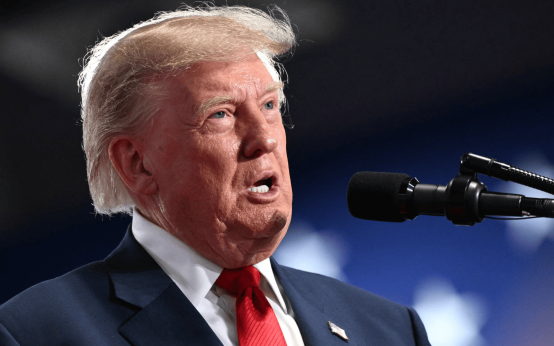 Trump Criticizes New York Surrogacy Bill at Syracuse Rally
  Who Is Tyler Zacharia? Insights About Katie Zacharia’s Spouse
  Who Is Tyler Zacharia?
  The Shadow Primary for the 2028 Presidential Race
  California Voter ID Ballot Measure Sparks Debate
  Nevada Governor Race Intensifies as Election Day Approaches