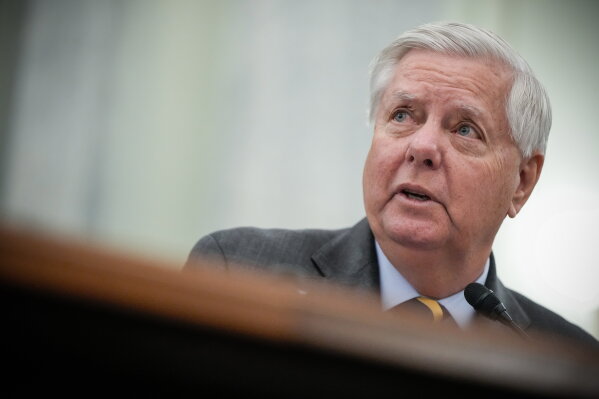
The U.S. and Iran are in discussions to reopen the Strait of Hormuz, vital for global oil traffic. President Trump faces pressure to compromise, but his tendency to avoid perceived losses complicates the situation.
Eliot Cohen, a former counselor at the State Department, notes that Trump tends to see matters as win-lose situations. Lately, he has denied his falling poll numbers and the struggling economy, despite ongoing tensions after a war with Iran initiated alongside Israel over five months ago.
Struggle Over Control
The core issue is control over the Strait of Hormuz, through which 20% of global oil passes. The Trump administration has rejected any agreement granting Iran substantial control, like charging fees. Meanwhile, Iran insists on retaining some control over the strait, which has not returned to its pre-war status as a free maritime passage.
Despite many U.S. military attacks, Iran still has the capability to target ships with drones and missiles, maintaining leverage over commercial shipping. Cohen suggests that yielding to Iran might be difficult for Trump, even as high gasoline prices risk impacting Republican fortunes in upcoming elections.
David Schenker, formerly of the State Department, states that economic pressure might push Trump to find a solution. Though this holds potential for significant effects on global trade, Schenker thinks Trump sees the issue as urgent, indicating a possible willingness to compromise.
Military Concerns
Trump remains reluctant to acknowledge shortfalls in military supplies, using social media to claim massive arsenals. Nevertheless, he has expressed frustration over diminishing stocks of advanced weapons. Discussions within his Cabinet at Camp David have focused on these issues, without any major internal conflicts reported.
The Center for Strategic and International Studies has highlighted decreasing weapon inventories, including missile interceptors crucial for defense. While Trump insists some munitions exist in large supplies, he admits others are constrained. He underscores the need for ongoing replenishment of these resources. Defense Secretary Pete Hegseth, advocating for increased Pentagon spending, recently met with Republican senators to secure necessary funds.
Polls and Public Perception
Despite claims of poll success on social media, a substantial portion of Americans voice that the war with Iran lacks value, indicated by an Associated Press-NORC poll. Public opinion varies across party lines, but a significant portion of Republicans also express skepticism.
Economic indicators tell a mixed story. While job numbers reached record heights, employment growth has decelerated during Trump’s second term.
Claims that the Strait of Hormuz is open to commerce face scrutiny. Although Trump asserts partial accessibility, recent incidents involving attacks and near misses on vessels highlight ongoing risks.
Potential Agreement
The U.S. and Iran approach a potential temporary agreement to ease the situation. This arrangement could allow access to the Persian Gulf via Iranian routes and exits through Oman, thus sidestepping tolls. Although the Trump administration emphasizes opposing any cost-imposing measures, diplomacy remains preferred by Trump, who feels in control of the negotiation dynamics.
 The Cost of Challenging Beijing
 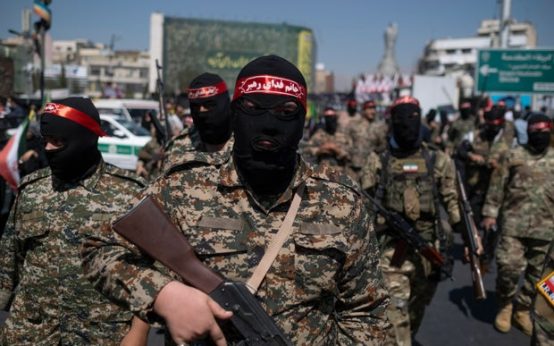 Tensions Escalate in Iran Conflict as Global Leaders Weigh Options
 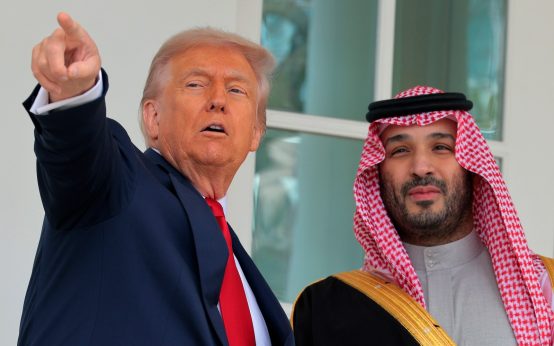 White House Approves F-35 Sales to Saudi Arabia Amidst Regional Tensions
  Inside the Secret Deals Powering the President’s Push to Deport Migrants to Countries Not Their Own
  Navigating the Challenges of Third-Country Deportations
  Midair Altercation on Bangladesh to London Flight