
In Kabul, Afghanistan, Taliban leaders marked five years since their return to power at the Loya Jirga hall, emphasizing claimed stability and an end to prolonged conflict. Despite these celebrations, a senior United Nations official highlighted severe human rights issues, with Afghan girls over 12 prevented from school attendance.
The Taliban took control on August 15, 2021, coinciding with the withdrawal of U.S. and NATO forces after a lengthy and costly war. The withdrawal led to chaos at Kabul airport as numerous citizens sought to escape.
Following their ascension, the Taliban prohibited girls from education past sixth grade and later restricted women’s higher education, contradicting earlier promises of educational and employment opportunities.
Restrictions also extend to public access, such as gyms and parks, sports participation, and distant travel without male chaperones.
Taliban Celebrates ‘Liberation’ from US Forces
During the Loya Jirga gathering, Taliban leaders, alongside foreign representatives and citizens, proclaimed Afghanistan’s liberation from U.S. forces. Hamdullah Fitrat, the deputy government spokesperson, requested divine protection from violence and promoted peace under Sharia law.
Abdul Salam Hanafi, Deputy Prime Minister, claimed the Taliban curtailed external and internal conflicts spanning decades, restoring security. He noted the heavy human toll, stating daily casualties under previous rule.
Notably, women were absent from this event.
Calls for International Engagement
The Taliban remains globally isolated, with Russia as the sole nation recognizing its administration. Foreign Minister Amir Khan Muttaqi urged further engagement for mutual benefits, encouraging diplomatic contact.
Celebrations Under Heightened Security
In Kabul, Afghans filled streets with Taliban flags, chanting in support. Convoys moved throughout the city, resulting in traffic, with increased Taliban security and checkpoints leading to the event.
Similar festivities appeared nationwide, featuring Taliban imagery and slogans across roads and marketplaces.
UN’s Human Rights Concerns
Richard Bennett, U.N. special rapporteur, addressed the ongoing human rights crisis in a video, questioning the existence of true peace and highlighting worsening conditions for women.
His analysis concludes gender persecution constitutes a crime against humanity, surpassing mere gender discrimination.
The U.N. continues documenting arbitrary arrests, torture, extrajudicial killings, and minority persecution.
Bennett cautioned the international community against legitimizing Taliban policies and potentially trivializing victims’ suffering.
Molvi Hayatullah Mahajar Farahi, the deputy minister for broadcasting, claimed security, infrastructure improvements, and job creation since assuming power. He did not address female education, despite UNESCO’s estimate of 2.4 million excluded girls.
The U.N. World Food Program reports critical child malnutrition in a third of provinces, exacerbated by funding deficiencies.
U.N. Women underscores severe restrictions on females, jeopardizing Afghanistan’s future by diminishing essential human resources.
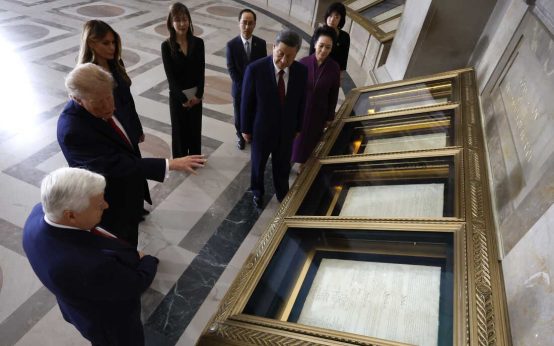 Historical Discrepancies and Diplomatic Sensitivities in U.S.-China Relations
 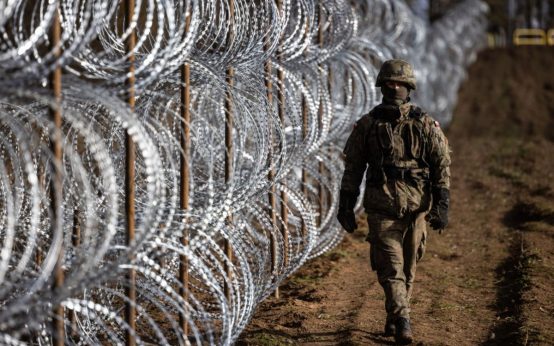 Escalating Tensions: Russia’s Nuclear Threat and the Kaliningrad Conundrum
  Marco Rubio Discusses Thwarted UK Terror Plot and Global Threats
 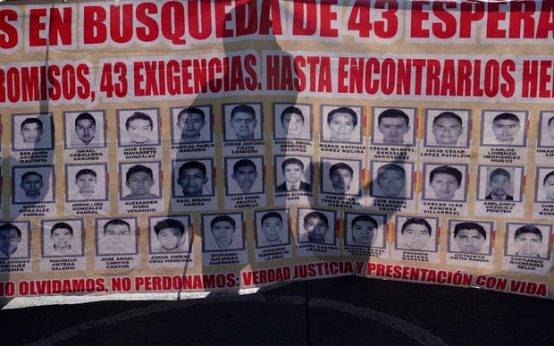 New Leads Emerge in 2014 Ayotzinapa Student Disappearance Case
  Concerns Over U.N. Secretary-General Candidate’s Alignment
  Possible Shipwreck Exposed After Nor’easter in Nantucket