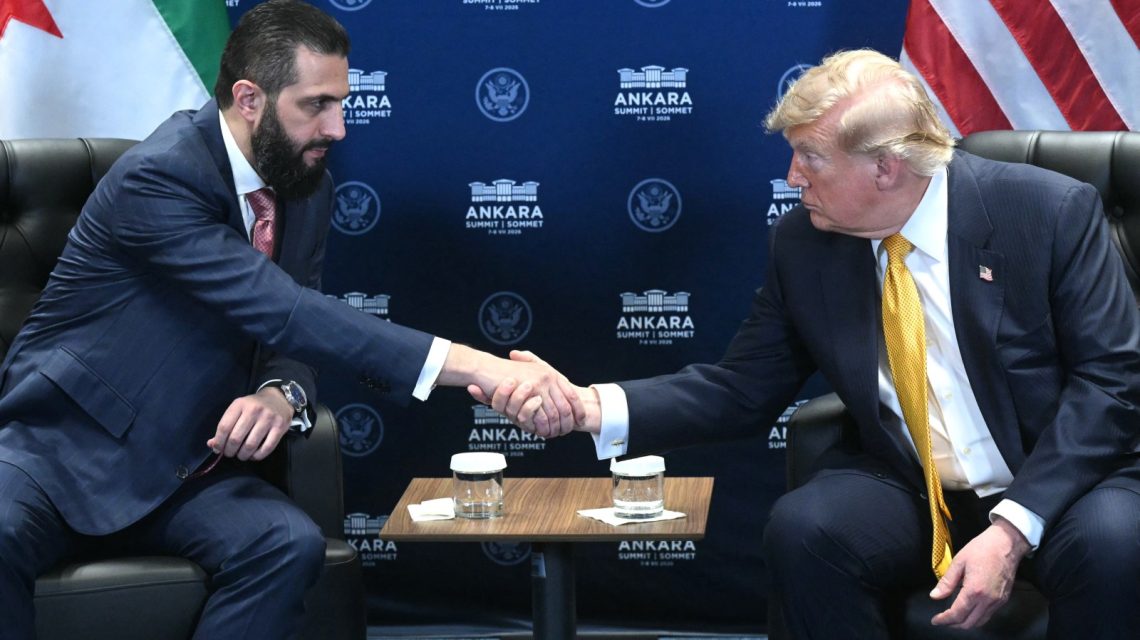
The U.S. State Department has announced the removal of Syria from its list of state sponsors of terrorism. This decision follows a congressional review after the overthrow of Syria’s former government. The move signals improving relations between Washington and Damascus.
President Ahmad al-Sharaa, who led the December 2024 takeover, was previously classified as a terrorist by the U.S. The label was removed shortly before his first visit to the White House on November 7, 2025. The official announcement arrived in the Federal Register on December 1. Secretary of State Marco Rubio stated that the removal recognizes positive actions by al-Sharaa’s government to distance Syria from international terrorism.
Syria’s removal entails lifting various sanctions. The state sponsors of terrorism list originated in 1979, initially including Libya, Iraq, and South Yemen. Libya was removed in 2006, Iraq in stages by 1982 and 2004, and South Yemen upon unification in 1990. Sudan, added in 1993, exited the list in 2020 after aligning with Israel through the Abraham Accords.
Three nations remain on the list.
Iran
The U.S. designated Iran as a sponsor of terrorism in 1984 post the 1979 Islamic Revolution. This designation remains due to Iran’s support for groups like Hezbollah and the Houthi movement. The 2015 nuclear deal briefly improved relations, but tensions resumed in Trump’s era.
Recent Israeli-U.S. actions, including strikes on Iranian nuclear sites, have aggravated conflicts. The 12-Day War initiated by Israel and subsequent joint ventures by Trump and Netanyahu continue unresolved.
Cuba
In 1982, Cuba was accused of aiding leftist movements. Despite Obama’s efforts to improve ties and remove Cuba from the list in 2015, Trump reinstated Cuba in 2021.
Biden aimed to remove Cuba again, but Trump’s return led to intensified sanctions. After intervening in Venezuela, Trump warned Cuba might face consequences if diplomacy failed.
North Korea
North Korea was added to the list following suspicions of involvement in bombing incidents and support for militant groups. The label was briefly lifted in 2008 amid discussions on nuclear dismantling. Trump reinstated it after alleged assassination involvement in 2017.
Diplomatic efforts between Trump and Kim Jong Un happened but eventually faltered, leading to renewed tensions. Potential overtures might be underway, as Kim expressed openness to talks, conditional on changes in U.S. policy.
It remains uncertain whether recent diplomatic gestures by Trump, like scaling back military exercises with South Korea, will reignite dialogue with North Korea.
 Assassin of Chilean Diplomat Orlando Letelier Faces Deportation 50 Years After Assassination
  Gorillaz and Macklemore Respond to Controversy Over Israel-Palestine Statements
 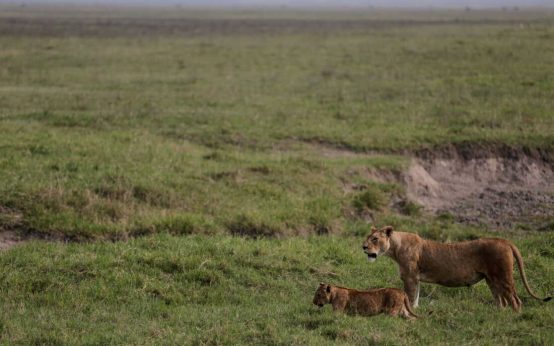 Investigation into Lion Deaths in Tanzania
 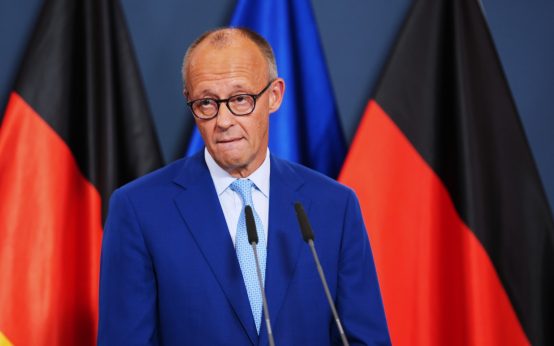 Merz Stays Resolute Amid Electoral Shifts in Germany
  The Impact of Arts and Closure on Democracy
 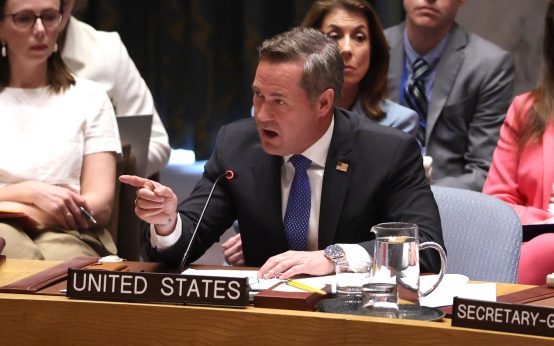 U.S. Ambassador Comments on Iran War Duration Amid Political Concerns