The Solid Waste Agency of Lake County (SWALCO) has mastered recycling a wide array of materials since its inception in 1991. These materials include electronics, batteries, paint, and household chemicals. None of this waste makes its way to landfills. Partnering with members from 43 municipalities in Lake County, SWALCO emphasizes creativity and education to achieve its mission, according to Executive Director Walter Willis.
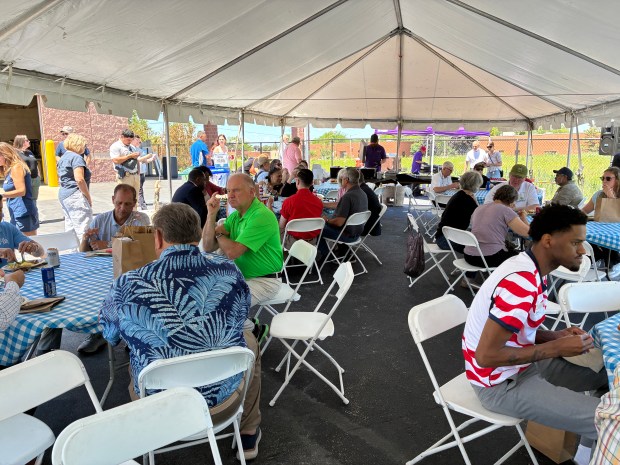
Guests celebrated SWALCO’s 35th anniversary in Gurnee with speeches and plant tours. Willis highlighted collaboration with waste haulers to integrate composting, which merges food scraps with yard waste, preventing meat bones and spoiled vegetables from reaching landfills. “We’ve kept tons of food waste out of landfills,” Willis stated. “We continue to make more things recyclable.”
SWALCO was a pioneer in solid waste management planning in the late 1980s. The Illinois General Assembly mandated larger municipalities and counties create such plans. Lake County led the charge. Willis underscored the importance of cooperation with municipalities. “Every town in Lake County has adopted recycling.” The motto, “Recycle first, trash last,” encapsulates their approach.
Cooperation with waste haulers is crucial. SWALCO aims to reach tenants in apartments and commercial entities, which pose bigger challenges. Highwood was the first to achieve full commercial recycling, followed by Highland Park. Communities like Deerfield and Lake Bluff followed suit. Waukegan has initiated a pilot program for commercial recycling.
Educating the public limits landfill contributions. Willis highlighted efforts in Waukegan, North Chicago, and Zion. A canvassing campaign corrected misuse of recycling bins, significantly improving compliance. “More than 800 customers were errant initially,” Willis mentioned. “By April, that dropped to 200, and then to 150.”
For items not suited for traditional recycling, options exist. Emily Wachter, SWALCO’s senior communications manager, explained that people may bring items like batteries and old clothes to their facility in Gurnee. Paint is reclaimed, and potentially hazardous items like batteries are handled safely. “We use a high expansion foam fire suppression system,” Wachter noted, ensuring safety from fires.
Peter Adrian, SWALCO’s recycling coordinator, described special handling for items such as electronics and various paints. Assistance from the Illinois Environmental Protection Agency (IEPA) and third-party vendors helps dismantle and reuse materials. Still, about 5% of collected items cannot be recycled.
 New article title
  Drought Pushes Bears Closer to Human Habitats
  Elk Incident Captured on Viral Video in Colorado
  Trail Camera Captures Limping Bobcat, Signaling Recovery
  El Niño 2026 Expected to Surpass Historical Intensity
  U.S. Records Warmest September on Record Since 1895