
At 16, I realized my life was not mine to plan. Growing up in a Baha’i family in Iran marked us as targets. The Islamic Republic sees Baha’is—a non-Muslim minority—as opponents, banning them from universities and jobs, and obstructing funerals. Persecution continues not for actions, but beliefs.
Iran has executed hundreds of Baha’is since 1979, with this year alone seeing increased detentions as political tensions rise. Governments often scapegoat vulnerable groups, and for Iran, that has long meant Baha’is. A pattern emerges, familiar to those who lived it.
Experiencing persecution meant watching loved ones lose freedom and jobs. At 11, a forced expulsion from school highlighted the danger I faced. My family, out of options, arranged my escape to Pakistan. I share these experiences because current events remain dire.
Human rights groups reveal escalating detentions in Iran, linked to the regime feeling cornered. Such pressure often revives old scapegoating tactics against Baha’is. A new generation endures this oppression, one I recognize intimately.
Persecution from within feels like parents unable to shield their children. As a teenager, my faith became a public liability, not a personal belief. Leaving Iran meant leaving everything, arriving abroad with nothing allowed to remain.
Yet, some things were unyielding—my faith and principles. Baha’i beliefs focus on service, unity, and honest work as worship. These values traveled with me, guiding my life in the U.S. and my journey as an entrepreneur.
Landing in California, I encountered acceptance. The Bay Area prioritized what I could build, not my origins—an invaluable opportunity. America embraces outsiders and unconventional paths, enabling a Baha’i refugee to co-found AutoWeb, one of the first online car marketplaces, eventually going public.
Growing other companies, I became founder and CEO of One Planet Group, grateful for opportunities the U.S. provided. America embraced me when Iran rejected me. I contributed back by creating jobs and fostering economic growth, fulfilling promises made by both sides.
However, Iran’s government remains unchanged, viewing conflict as beneficial as highlighted by Ayatollah Khomeini’s actions. Ideology fuels decision-making over pragmatism, making military weakening ineffective.
Iran’s impact extends beyond borders, exacerbating crises through groups like Hamas, Hezbollah, and Houthis. These associations serve Iran’s power, not solidarity. Innocent people become instruments for governmental aims, demonstrating trust and negotiation challenges.
A government sacrificing its own undermines rationality in diplomacy. Iran’s treatment of its populace, 93 million deemed adversaries, complicates negotiations for better agreements. Recognizing the regime’s nature is crucial for meaningful international relations.
The world must support Iranian citizens over economic interests. Ignoring persecution allows regime strength and increased atrocities. Young Iranians, especially Baha’is, suffer imprisonment or worse, calling for global acknowledgment and intervention.
Reflecting on forgotten nights facing governmental control. While fortunate to find refuge, others remain. Pursuing not war but freedom for Iranians remains essential.
Payam Zamani, CEO of One Planet Group, authored “Crossing the Desert.” Copyright 2026 Nexstar Media Inc. All rights reserved.
 Trump’s False Ceasefire Announcement and Its Ramifications
  U.S. Army Prepares for New Threats on Domestic Soil
 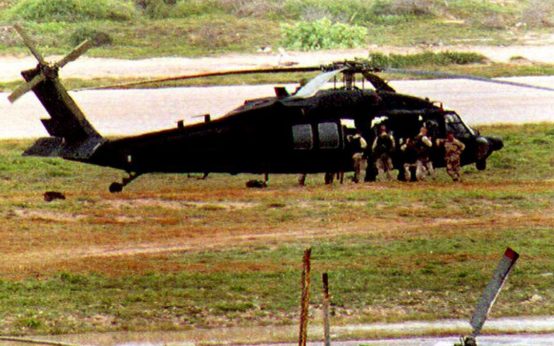 US Airman’s Rescue from Iran and the Brutality of the Battle of Mogadishu
 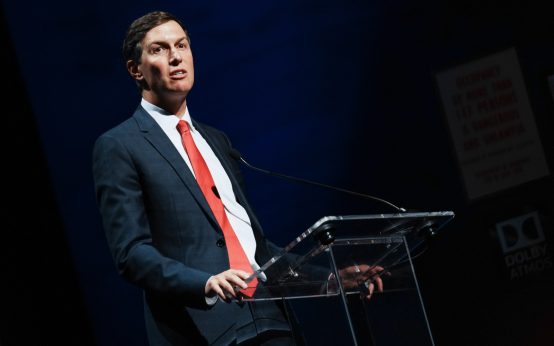 Kushner’s Diplomatic Role and Travels Under Scrutiny
  Understanding American Politics from a Chinese Perspective
  Hurricane Trudy Advances Toward Mexico