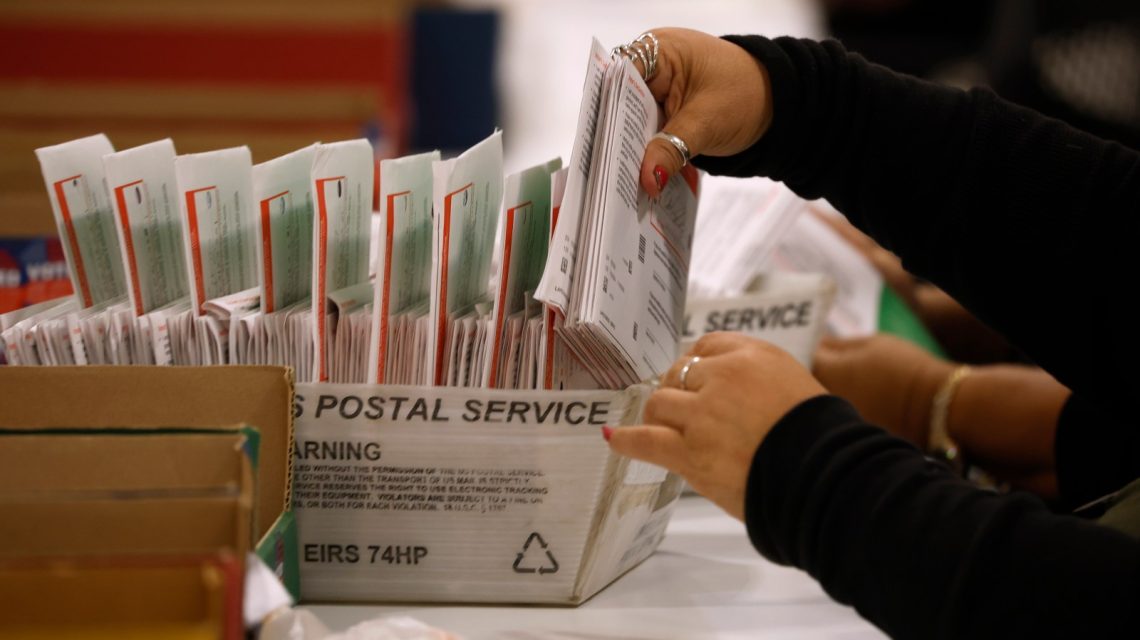
Supreme Court Ruling on Trump’s Mail-In Voting Plans
President Donald Trump cleared a procedural hurdle by gaining a legal decision from the Supreme Court. The Court lifted an injunction against his March executive order, which aimed to tighten federal control over mail-in voting. However, the ruling mainly stated that Democratic-led states challenged the order too soon. The validity of Trump’s mail-ballot provisions remains under a separate injunction, which means restrictions cannot yet take effect.
Ongoing Legal Battles
A Supreme Court statement clarified the ruling does not ensure the legality of the government’s actions under the executive order. A nationwide injunction currently blocks the U.S. Postal Service (USPS) from implementing these provisions. With absentee ballots in North Carolina set for distribution starting September 4, these legal hurdles could hamper Trump’s efforts before the midterms.
Provisions of Trump’s Executive Order
Trump’s executive order, issued on March 31, proposed changes to federal election administration. It tasked the Department of Homeland Security and Social Security Administration to create lists of adult citizens for state election officials. It also required voter information submissions to USPS before sending out mail ballots. Trump wanted to intensify investigations into illegal voting and establish standardized envelopes with unique barcodes to combat voter fraud.
Judge Indira Talwani issued an injunction stopping USPS from rejecting ballots that don’t meet Trump’s requirements. USPS cannot intercept or delay ballots accepted into the mailstream, making the timing critical.
Time-Sensitive Implementation
States are set to issue ballots to military and overseas voters soon. If the legal blockage remains, a portion of the election will proceed under current rules. Any regulations applied later cannot affect ballots already sent. Transitioning to the new system involves meeting specific standards, delaying implementation further.
Potential Impact Beyond the Midterms
If the remaining injunction is lifted in time, the regulations could still apply to new federal ballot mailings. USPS could reject mailings that don’t meet the new rules, a move that might significantly impact mail voting. In 2024, mail ballots made up nearly a third of voter turnout, with almost 48 million mail ballots returned.
The regulations could extend beyond the midterms, affecting all federal elections except primaries and specific military ballots. States would have to adapt to standardization of barcodes, envelopes, and data systems.
Public Confidence and Election Integrity
Even without reshaping the midterms, Trump’s regulations could influence future elections. Concerns about the integrity of U.S. elections persist. In July, only 55 percent of Americans believed the midterms would be fair and accurate. Trump’s administration claims the new rules aim to reduce fraud and uphold public confidence.
Trump argues mail voting is prone to fraud, a claim he has repeated after losing to Joe Biden in 2020. If Republicans do poorly in the midterms, this could provide Trump with grounds to challenge the election processes further.
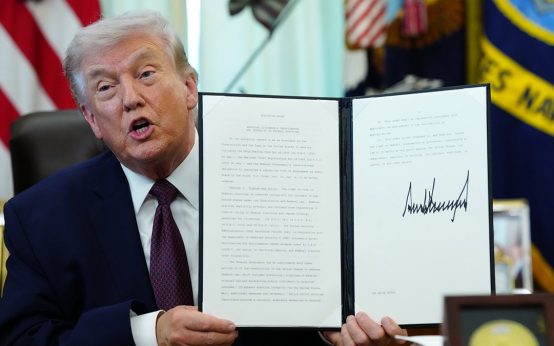 Court Blocks Trump’s Mail-Ballot Rules Ahead of Elections
  A Mother’s Tragic Journey Under Abortion Ban
  U.S. Strategic Goals Remain Unmet Amid Prolonged Conflict
  The Impact of Arts and Closure on Democracy
 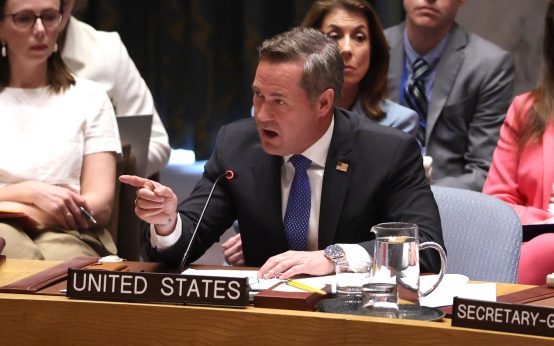 U.S. Ambassador Comments on Iran War Duration Amid Political Concerns
 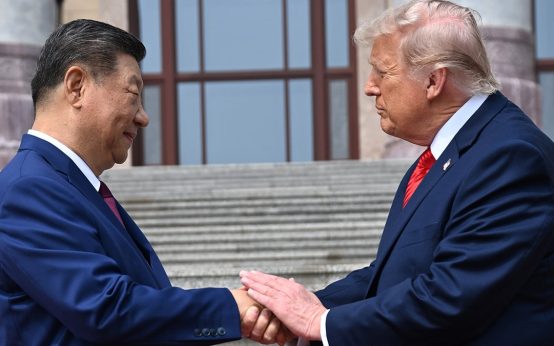 US-China Relations Under Scrutiny: Expert Warns of Escalating Tensions