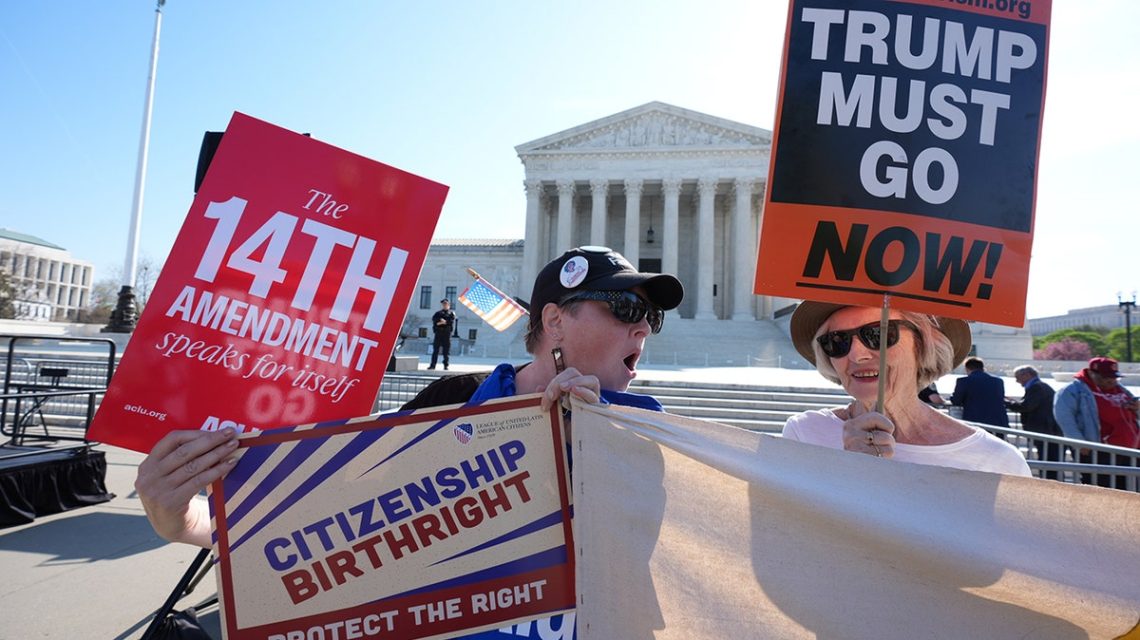
The Supreme Court has recently made a decision that affects the issue of birthright citizenship in the United States. The case, Trump v. Barbara, resulted in a ruling where five justices determined that children born to non-citizens, including those of Chinese birth tourists and others who might not align with American interests, are granted citizenship. This raises concerns about the integrity of the process that determines citizenship. Furthermore, the decision impacts how the U.S. census counts individuals, which in turn affects political representation and the Electoral College.
Fourteenth Amendment Interpretation
According to the Fourteenth Amendment, Section 1 grants citizenship to anyone born in the United States who is subject to its jurisdiction. This was originally intended for children of freed slaves. Section 2 assigns House seats based on the total population in each state, but this practice has led to inclusion of illegal immigrants and visa holders in the count, affecting the allocation of House seats and electoral votes. Foreign diplomats and invading soldiers are excluded, but not other non-citizens, leading to inconsistencies.
This has been the case since the Carter administration, and the Barbara decision now affirms that children born to non-citizens on U.S soil can become American citizens. Parents on temporary visas and their children are also counted, raising questions about fairness and the interpretation of who qualifies as part of the U.S census.
Political and Legislative Solutions
The controversy over census counting and birthright citizenship could be addressed through legislative action. The proposed Equal Representation Act aims to restrict census counts to American citizens and lawful permanent residents. This approach is aligned with the correct interpretation of “subject to the jurisdiction thereof” set forth in historical cases. If passed and signed into law, this act would correct the current understanding of the Fourteenth Amendment’s Sections 1 and 2.
President Trump, before his term ends, could issue an executive order related to the census count. However, Congress needs to pass binding legislation to ensure lasting change. The Supreme Court’s role is crucial, as it could be asked to review and potentially reverse its previous decisions to align with this new legislative framework.
National and Security Implications
The census affects not only political representation but also federal funding allocations, including Medicaid. Some states, known as sanctuary states, benefit from current flaws in the census system, exploiting how illegal aliens and visa holders are counted. The original framers of the Fourteenth Amendment did not foresee the scale of today’s immigration challenges.
There are also national-security concerns. China, identified as a significant geopolitical adversary, has been involved in sending birth tourists to America, whose children are now American citizens. This situation allows foreign nations to potentially influence U.S. politics and, by extension, national policy, which is a serious concern for the preservation of American sovereignty.
Action Moving Forward
There is a pressing need to reform the current census and birthright citizenship criteria to protect U.S. democracy and maintain accurate political representation. This involves legislative efforts to redefine who is counted in the census and address potential exploitation by foreign entities. The goal is to ensure that the sovereignty of the United States is respected, and its political processes remain undistorted by external influences.
 Carnival Panorama Passenger Jumped Overboard During Final Leg of Cruise
  The Impact of Arts and Closure on Democracy
 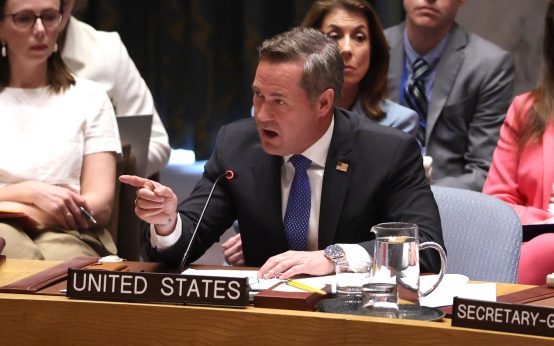 U.S. Ambassador Comments on Iran War Duration Amid Political Concerns
 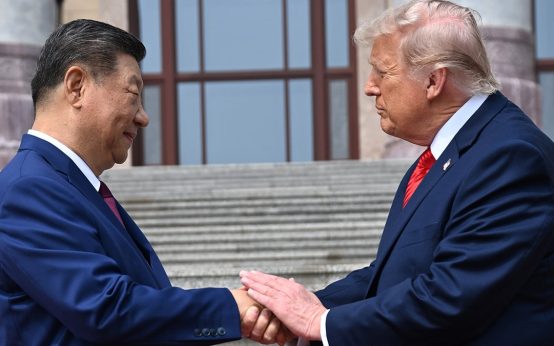 US-China Relations Under Scrutiny: Expert Warns of Escalating Tensions
  No Timeline for End of Iran Conflict
  German Chancellor Merz Vows to Pursue Reforms Despite Election Setbacks