Each morning, I follow a routine likely shared by many: I bid farewell to my son and husband before heading to work. Yet, for me, this everyday pattern hinges on accommodations. As a blind individual, my career in law was made possible because the bar exam was accessible to me in a format I could use. Without these accommodations, my position as an appellate lawyer, my experience clerking at the U.S. Supreme Court, and perhaps even my family life, would not be possible. These adaptations have been crucial in allowing me to pursue education and civic participation fully.
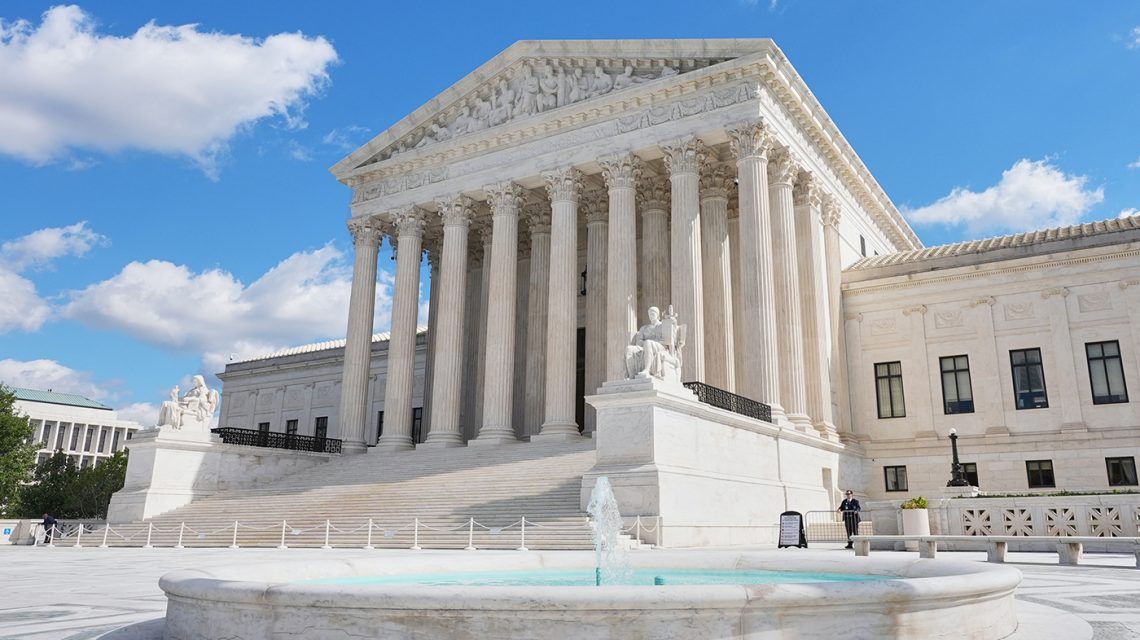
The Supreme Court is facing a case today: St. Mary Catholic Parish v. Roy. This lawsuit, initiated by my law firm, the Becket Fund for Religious Liberty, questions whether Colorado can legally prevent Catholic preschools from joining a tuition assistance program providing around $6,300 annually for pre-K children. While this case focuses on religious-freedom protections, it intersects with the principles guiding disability accommodations.
Colorado includes schools that accommodate children with disabilities in its preschool funding program. But those prioritizing children with specific religious beliefs, such as Catholic or Evangelical schools, are excluded. Colorado argues disabilities deserve special attention, whereas religious beliefs do not. The state distinguishes the limitations of the body from the limits of the soul. Being both blind and Catholic, the boundaries of my faith are as unyielding as those of my vision.
Historically, Americans understand the importance of meeting people where they are, whether they have disabilities or religious beliefs. The Declaration of Independence declared equality, supported by “the Laws of Nature and of Nature’s God.” While not always practiced ideally, this principle remains vital. Legal expert Michael McConnell highlights that accommodations are sometimes necessary for fair treatment.
Disability accommodation examples include ramps, Braille signage, and closed-captioning. Religious accommodations can involve providing kosher meals for Jewish servicemembers, respecting Seventh-day Adventists’ Sabbath, or allowing Muslim or Sikh firefighters to maintain beards. Past examples include permitting pacifists to serve differently during wars and allowing sacramental wine during Prohibition. Such accommodations preserve human dignity — not granted as favors, but as rights fundamental to societal membership.
Colorado supports measures for deaf or blind children but denies similar respect to Catholic families needing preschools aligned with their values. Despite acknowledging the closure of Catholic preschools, the state persists in its stance. Yet human dignity is not selectively granted; it is inherent to societal inclusion. Religious and disability accommodations are innate rights, demanding recognition of every individual’s dignity.
Laura Wolk Slavis is counsel at the Becket Fund for Religious Liberty.
 Mississippi State Auditor Shad White Announces Gubernatorial Bid
 Trump Dismisses Third Impeachment Prospects
 Custody Dispute Involving Rep. Max Miller Delayed
 Attorney General Addresses Post-Midterm Democratic Threats
 Senator Elizabeth Warren and the Future of Crypto Regulation
 Bipartisan Opportunities in Foreign Policy