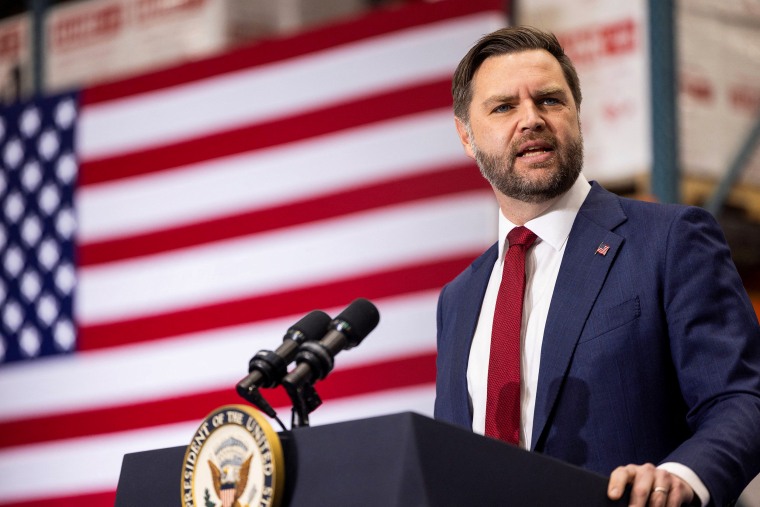
Supreme Court Decision on Campaign Finance
The Supreme Court has invalidated longstanding campaign finance regulations that limited spending coordination between national political party committees and individual candidates. In a 6-3 decision, Justice Brett Kavanaugh highlighted that these restrictions infringe upon free speech rights outlined in the First Amendment, asserting that political spending equates to speech.
The case was initiated by the National Republican Senatorial Committee, National Republican Congressional Committee, and campaigns from the 2022 elections. These included JD Vance, a Republican Senate candidate from Ohio, and Steve Chabot, a Republican congressman from Ohio who later lost his re-election.
The Federal Election Commission, under the Trump administration, supported the challengers. This aligns with the Supreme Court’s conservative majority’s historical skepticism towards campaign finance restrictions concerning free speech. Republicans frequently contest these restrictions.
A History of Campaign Finance Rulings
The Supreme Court continues to dismantle campaign finance restrictions, a process ongoing since the 2010 Citizens United v. FEC ruling. Citizens United allowed unlimited independent expenditures by super PACs. The overturned law permitted unlimited independent spending by parties to support candidates, yet maintained caps on coordinated spending done alongside campaigns. Coordinated spending could involve venue hiring, consultancy for fundraising, or covering candidate travel costs, as indicated by the Republicans in court documents.
The spending limits depend on the voting-age population in specific House or Senate elections, reaching up to nearly $4 million for Senate races and $127,000 for at-large House seats.
Impact and Criticism
With Citizens United leading to increased spending, existing caps have lost efficacy in their original aim to minimize money’s influence in politics and prevent corruption or its semblance.
Critics argue that removing these limits might intensify money-driven politics, compromising political integrity. Supporters claim such deregulation enhances free speech, strengthening democratic participation.
 A Mother’s Tragic Journey Under Abortion Ban
  U.S. Strategic Goals Remain Unmet Amid Prolonged Conflict
  The Impact of Arts and Closure on Democracy
 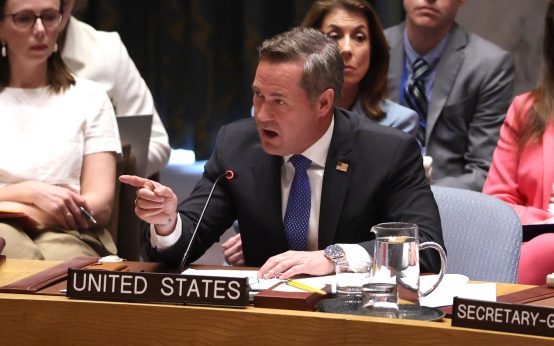 U.S. Ambassador Comments on Iran War Duration Amid Political Concerns
 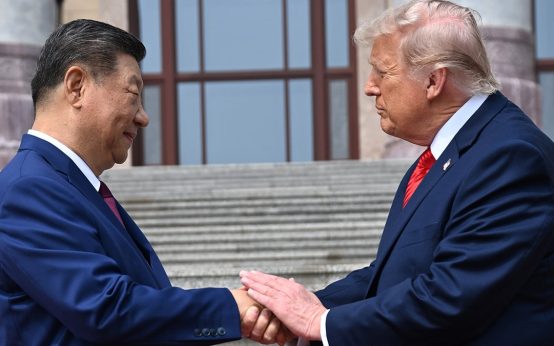 US-China Relations Under Scrutiny: Expert Warns of Escalating Tensions
  No Timeline for End of Iran Conflict