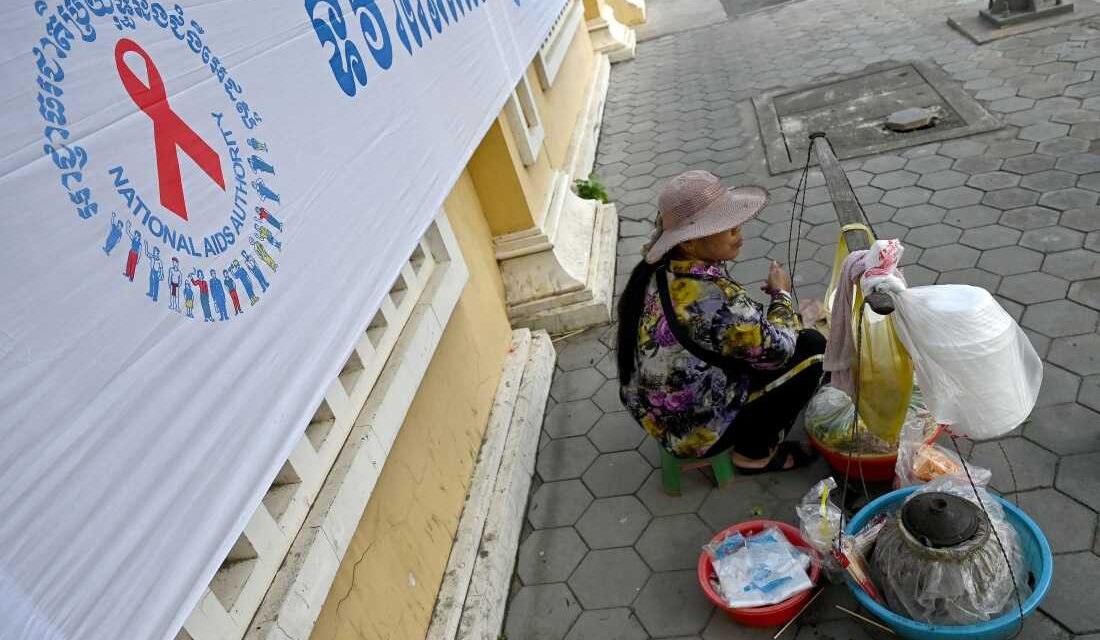
Cambodia Reaches U.N. HIV Targets
Cambodia has become the first country in Asia to meet the U.N.’s HIV control targets. A remarkable 95% of people with HIV in the country know their status, 95% are receiving treatment, and 95% of those on medication have suppressed viral loads, which minimizes transmission risk.
Successful Strategies and Context
The U.N. set these 95-95-95 goals in 2020 to be achieved by 2030, and only 11 countries have met them so far. Cambodia’s achievement is significant, especially since many wealthy Asian nations, like Japan and South Korea, still struggle with HIV control.
“Sometimes people will think—why is it that we are not able to manage HIV control?” Dr. Annette Sohn of amfAR’s TREAT Asia program explains, identifying stigma as a primary obstacle.
Stigma can deter individuals from seeking diagnosis and treatment. Cambodia succeeded by fostering healthcare environments where people feel accepted.
Personal Stories
Sophal Seum, an HIV advocate, experienced this firsthand. After losing his job due to mandatory HIV testing in 2000, he was able to manage his condition with medication and support, becoming an advocate for others.
Dalish Prum, program manager for CPN+, also shares her story. Despite facing early struggles after testing positive, she found support, pursued her education, and now leads HIV prevention efforts. Medication keeps her viral load low and allows for a healthy life.
A National Effort
Cambodia’s political commitment played a crucial role in its success. During the 1990s, both the king and government prioritized HIV prevention, launching public health initiatives including a condom use campaign.
In 2003, Cambodia made HIV medications freely available with the assistance of an $11.2 million Global Fund grant. Focused efforts targeted high-risk groups, such as sex workers and police, where transmission rates were highest.
Community-Driven Solutions
The KHANA network, led by Chamreun Chob Sok, emphasized solutions from people with lived experiences. Programs like SmartGirl helped former nightclub and bar workers conduct HIV testing and counseling, embodying peer-led interventions.
Outreach among men who sleep with men and transgender individuals further established safe spaces for community interaction and care, including innovative interventions like community hubs.
However, the impact of U.S. funding cuts to global HIV programs poses challenges for sustaining such initiatives.
Looking Ahead
Cambodia’s accomplishment signals hope and progress in HIV control efforts. As Dr. Sohn and other advocates emphasize, combating stigma and securing continuous support remain crucial to sustaining these achievements.
 Florida Man Claims ‘Lion Diet’ Transformed Health and Life
  Concerns Over Food Safety and Its Impact on Families
  A Mother’s Tragic Journey Under Abortion Ban
  Medical Diagnosis Errors: Understanding the Crisis
  Lymphatic Drainage and Ice Sculpting: Emerging Wellness Trends
  The Rising Trend of GLP-1 Medications Among College Students