
The Supreme Court, in a 6-3 decision, determined that the federal government can revoke the legal status of green card holders returning from abroad if they have pending, unproven criminal allegations. This decision has divided opinions and could significantly impact permanent residents.
Justice Ketanji Brown Jackson’s Dissent
Justice Ketanji Brown Jackson voiced strong opposition to the ruling. She criticized the conservative majority for ignoring Congressional restrictions and providing the executive branch excessive power to disrupt the lives of millions of legal residents. Her dissent highlights the risk of administrative misuse, especially if an administration is not supportive of immigration.
Jackson emphasized that even during wartime, Congress rarely allows the President such unrestricted authority. She warned that regular travel might be used as a tool against legal residents, leading to compulsory detention over allegations that could be dismissed.
Case of Muk Choi Lau
The ruling in Blanche v. Lau aligns with the Trump administration’s push for broader executive power in immigration matters. This decision shifts the burden of proof onto green card holders to demonstrate their right to stay in the U.S.
The case revolves around Muk Choi Lau, a permanent resident who was placed on immigration parole by border officials in 2012. Lau had returned from a short trip abroad with an unresolved state charge of trademark counterfeiting. After pleading guilty and being placed on probation, deportation proceedings began against him.
Lau contended that the government acted excessively by using his parole status to initiate deportation. A lower appellate court sided with Lau, requiring ‘clear and convincing evidence’ of a disqualifying crime at reentry, not merely a pending charge.
Majority Opinion
Justice Clarence Thomas wrote the majority opinion, asserting that border officials need to make swift decisions and that crime suspicion is sufficient to impose parole as charges develop. This stance permits immigration authorities to hold someone while allegations are sorted out.
Jackson, in her dissent, along with Justices Sonia Sotomayor and Elena Kagan, contended that treating long-term residents like newcomers based on accusations creates an opening for executive excess beyond the scope of Congressional intent.
Further Implications
The court is also addressing other related cases involving efforts to end birthright citizenship, tighten asylum policies, and halt temporary legal protections for those escaping conflict and natural disasters.
This is a developing story, and further updates will be provided.
 Vermont Shooting Verdict
  Federal Judge Blocks Deportation of Immigrant Shot by ICE
  Body Camera Footage Released of Venezuelan Immigrant’s Arrest After ICE Shooting
  Prosecutors Oppose Bryan Kohberger’s Plea Withdrawal
  Reiner Seeks Access to Trust Fund for Legal Defense
 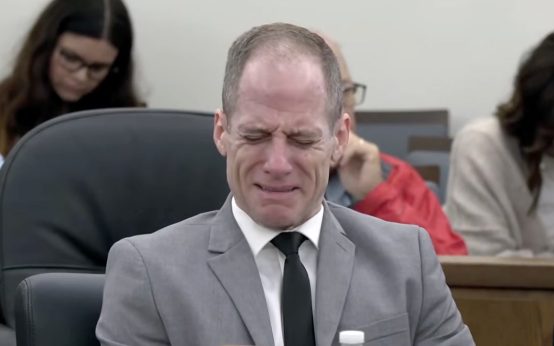 Former ‘American Idol’ Contestant on Trial Over Missing Gun and Allegations of Murder