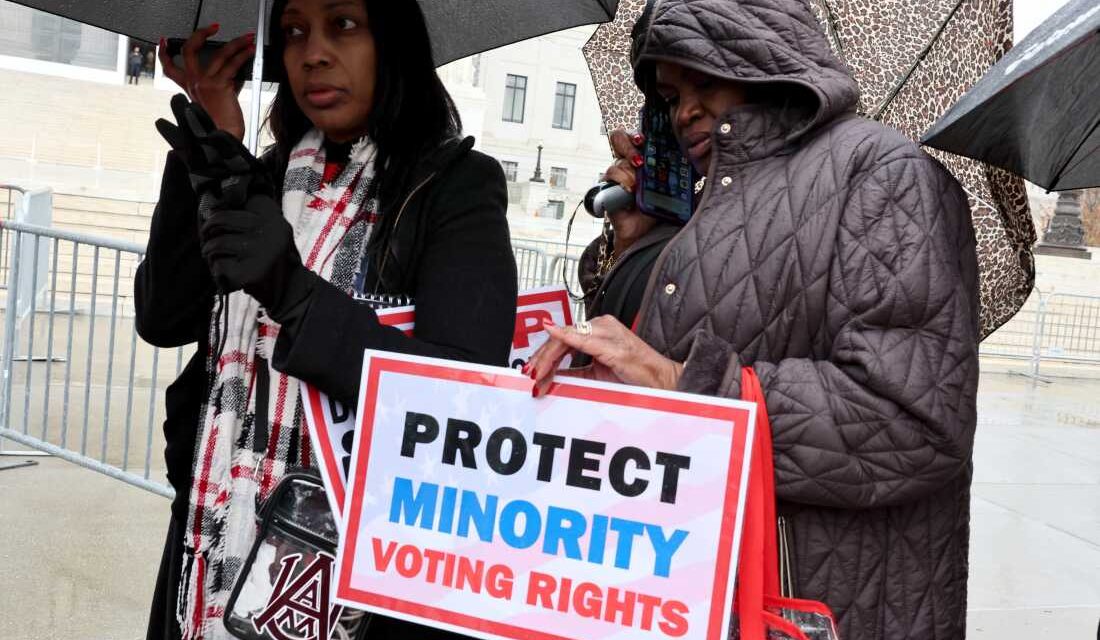
The U.S. Supreme Court has decided not to review a lower court ruling affecting the Voting Rights Act. This move leaves a previous decision by an appeals panel in place, which restricts a vital protection for minority voters in seven Midwestern states.
On Monday, the court announced it would not take up a lawsuit from Arkansas. This decision maintains the 2025 ruling by the 8th U.S. Circuit Court of Appeals that limits private individuals and groups from enforcing Section 208 of the Voting Rights Act. Section 208 typically allows voters with disabilities or literacy challenges to receive help voting from a person they choose.
States covered by the 8th Circuit include Arkansas, Iowa, Minnesota, Missouri, Nebraska, North Dakota, and South Dakota. The Supreme Court’s choice follows a recent ruling that weakened the Voting Rights Act, leading to changes in redistricting nationwide.
In May, shortly after a decision weakened Section 2 protections against racial discrimination in redistricting, the Supreme Court avoided addressing a ‘private right of action.’ This left pending cases from Black voters in Mississippi and Native American voters in North Dakota unresolved.
Historically, private lawsuits have enforced significant sections of the Voting Rights Act. However, in 2021, Justice Neil Gorsuch questioned this approach, suggesting only the U.S. attorney general has this right. This interpretation may drastically reduce the number of lawsuits, given the Justice Department’s limited resources and changing priorities across administrations.
The case declined by the Supreme Court involved Arkansas United, an immigrant advocacy group. It employs Spanish-language interpreters to assist voters with limited English proficiency. Arkansas United challenged a state law restricting non-poll workers from helping more than six voters. In 2022, a federal judge found the state law violated Section 208. Nonetheless, an appeal by GOP state officials led to the 8th Circuit’s ruling that private groups lack legal standing for such lawsuits.
Currently, the 8th Circuit is the only federal appeal court diverging from decades of legal precedent on this topic.
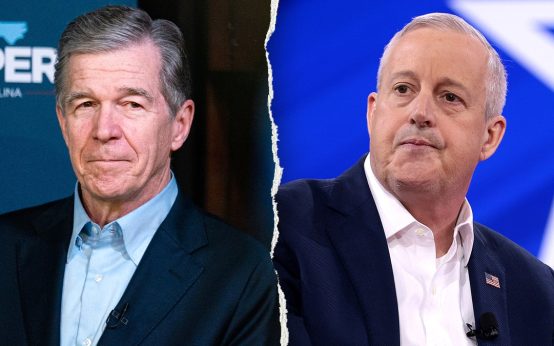 North Carolina Senate Race Influenced by Abortion Policy Messaging
 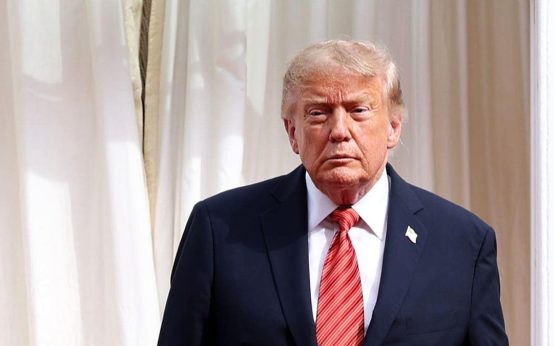 Trump Pressures Republicans on Filibuster Threat
 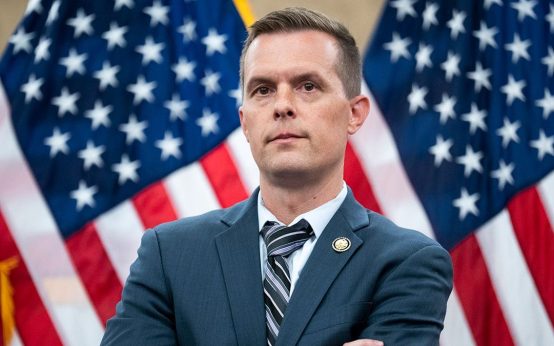 Rep. Golden Endorses Rep. Lawler for Re-election
  Public Perception and Political Impact of Data Centers
 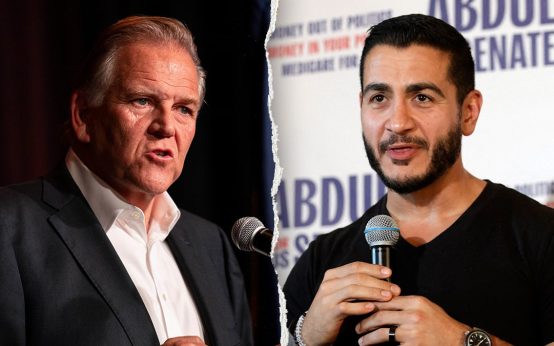 Jewish Democrats in Michigan Shift Support to GOP Candidate in Senate Race
  Mayor Mamdani and President Trump Discuss Major Housing Project in NYC